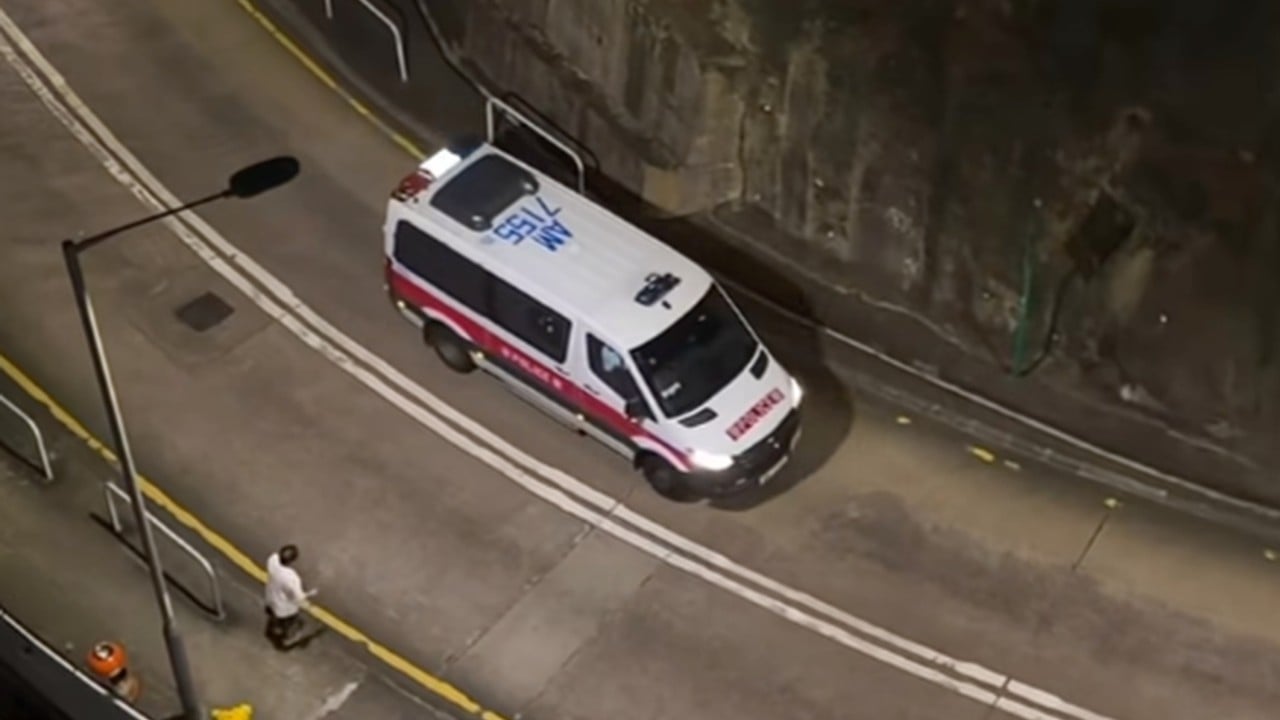
Police misconduct isn't a rare topic in public debates, but every now and then a single interaction captures widespread public interest. That's exactly what happened in Hong Kong when an active duty police officer was taken off frontline duties after getting into a verbal altercation with a local resident.
It started like a regular street check. Officers were conducting routine patrol duties, stopping individuals for identification checks. Things escalated fast. Words were exchanged, voices rose, and an officer used explicit language toward a passer-by who was filming the interaction. The video hit social media within hours. The response from police management was unusually swift.
What Happened During the Incident
The incident unfolded in a busy commercial district during peak hours. Officers stopped a man in his late twenties, asking for his identification card. Bystanders gathered. Some drew their phones to record, which is entirely legal in public spaces across Hong Kong as long as it doesn't obstruct police operations.
One officer grew noticeably visible in his frustration. Instead of maintaining standard professional composure, he yelled explicit profanities at a bystander who was filming from a few paces away.
Public accountability relies heavily on digital records. When citizens record police interactions, officers are expected to maintain professional standards regardless of provocation.
The video clip ran for roughly 45 seconds. It clearly captured the officer using heavy Cantonese slang and explicit insults while pointing aggressively at the individual recording. Within 24 hours, the video racked up hundreds of thousands of views across local forums like LIHKG and Facebook groups.
The Internal Police Response and Discipline
The Hong Kong Police Force moved rapidly to manage the fallout. The force issued a brief public statement confirming that an officer involved in the video was identified and immediately reassigned to administrative internal duties pending a formal disciplinary review.
Police guidelines explicitly govern officer conduct during public interactions. The Police General Orders set clear boundaries on professional decorum:
- Officers must show courtesy and restraint when dealing with members of the public.
- Explicit or abusive language is prohibited while on duty.
- Recording officers in public spaces does not constitute obstruction on its own.
- Reassignment to administrative duties is standard protocol during internal investigations to prevent further public friction.
This quick action shows how sensitive authorities are regarding public perception. Reassignment isn't a final penalty. It's an administrative step while the Complaints against Police Office (CAPO) reviews the case to determine if formal disciplinary proceedings or reprimands are warranted.
Why Public Recording Matters for Accountability
This situation highlights the massive role mobile devices play in modern policing oversight. Ten years ago, a brief verbal outburst on a street corner would have ended right there—a moment of frustration between two people that vanished into thin air. Today, almost everyone carries a HD camera in their pocket.
When citizens record interactions, it creates a visual and auditory paper trail. It protects both parties. It protects citizens from abuse of authority, and it protects officers from false allegations of misconduct.
Public relations experts in law enforcement frequently emphasize that training must adapt to this reality. Officers operate in a fishbowl environment where every word can be broadcast globally within minutes. Losing control, even for a few seconds, damages public trust across the entire organization.
Steps for Handling Police Encounters safely
If you find yourself in a tense encounter with law enforcement or choose to record an ongoing interaction in a public setting, knowing your rights and obligations helps keep everyone safe:
- Stay Calm and Polite: Maintain a neutral tone. Avoid physical gestures or sudden movements that could be misconstrued as aggressive.
- Record from a Safe Distance: If you decide to film, stand several paces back. Ensure you aren't physically blocking officers from moving or performing their duties.
- Comply with Lawful Orders: If asked to step back for safety reasons, follow instructions promptly while keeping your camera rolling from the new position.
- Note Identifying Information: Keep track of badge numbers, police vehicle license plates, and exact timestamps of the event.
- Report Misconduct Through Official Channels: If an officer behaves inappropriately, submit recorded evidence directly to the oversight body or police complaints department rather than escalating the situation on the street.


