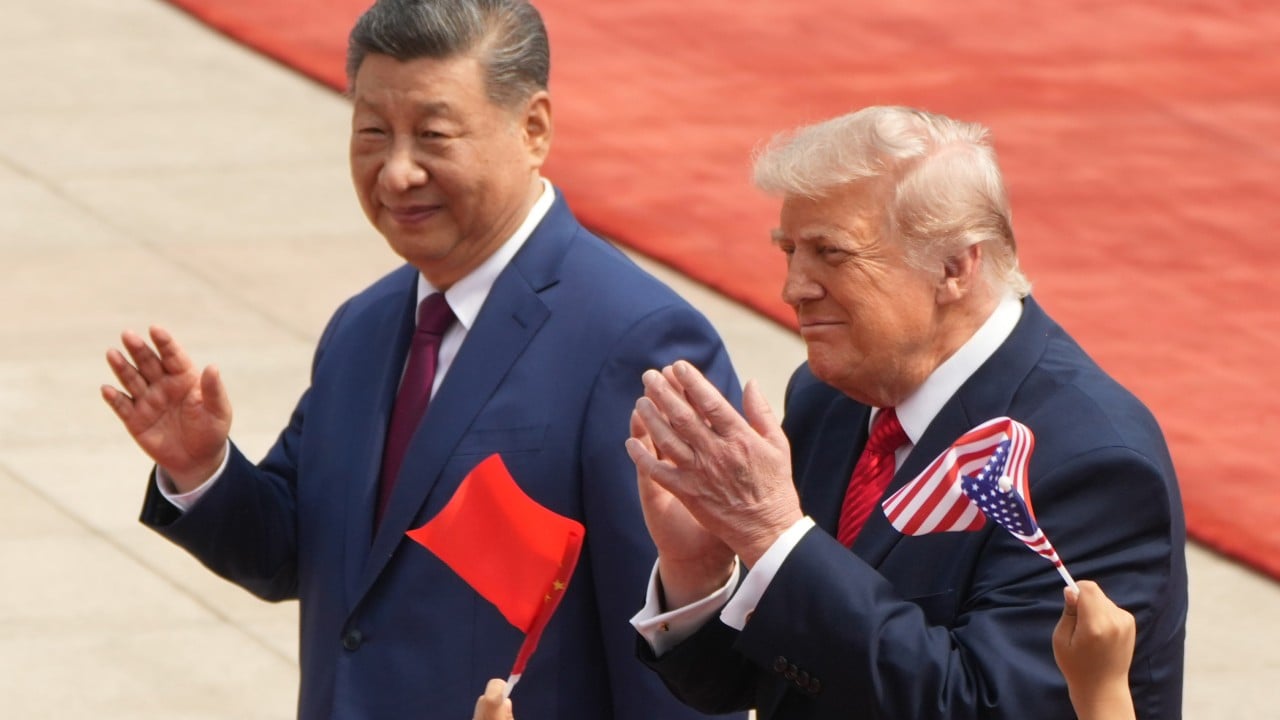
The convergence of high-stakes superpower diplomacy and sudden regional tragedy exposes the fragile architecture of modern international security. While state leaders posture at summits and manage bilateral trade truces, ecological tipping points across high-altitude border zones command a more immediate, bloody toll. The catastrophic flash floods and mudslides along the Tibet-Nepal border, which claimed hundreds of lives and left more than a thousand missing, stripped bare the illusion that traditional great-power competition constitutes the only arena of consequence.
The Himalayan Fault Line
Water does not recognize sovereign demarcation lines. When a massive rock-and-ice collapse in the Himalayas unleashed a destructive wall of mud and water through Gyirong County and down into Nepalese river valleys, the emergency response required instantaneous cross-border coordination. Traditional security frameworks, obsessed with tariffs, rare earth export controls, and strategic positioning, found themselves entirely ill-equipped to manage an unfolding climate-induced humanitarian nightmare.
Consider a hypothetical scenario wherein bilateral trade mechanisms between Washington and Beijing take precedence over regional infrastructure warning systems. Warning systems fail. Data-sharing agreements stall behind bureaucratic walls of suspicion. By the time emergency leadership meetings convene in Beijing—complete with moments of silence for the fallen—the physical damage is already locked into the geological record. The human cost of delayed ecological intelligence is measured in body bags pulled from debris fields rather than percentage points on gross domestic product.
Geopolitical Theatre Versus Physical Reality
Diplomatic calendars rarely align with natural disasters. High-level engagements, including multilateral gatherings like the Shanghai Cooperation Organisation meetings in Bishkek and bilateral checkpoints following prior summits in Busan, project an image of structured global management. Yet these summits frequently sideline chronic ecological threats. Climate vulnerability operates as a slow-motion catastrophe until it suddenly accelerates into acute mass casualty events.
Governments spend billions modeling military conflict scenarios across the Taiwan Strait or the South China Sea while underinvesting in the seismic and hydrological monitoring networks required to protect populations living beneath the world's most unstable mountain ranges. This structural negligence reflects a broader institutional failure. Leaders treat environmental degradation as an externality rather than a core driver of state instability. When glacial lakes breach and barrier lakes overflow, halting rescue operations and isolating entire valleys, the limits of diplomatic posturing become glaringly apparent.
The Cost Of Strategic Myopia
Security analysts often categorize risks into neat, manageable silos: economic statecraft, kinetic deterrence, and cyber defense. This compartmentalization collapses under the weight of compounding crises. When an earthquake or glacial outburst flood strikes a border region, it strains the administrative capacity of developing states while forcing regional hegemons into reactive emergency management.
Sustained regional stability requires shifting resources away from endless cycles of competitive brinkmanship and toward shared environmental resilience. Until major powers integrate ecological disaster response into their core strategic agendas, geopolitical summits will remain dangerously disconnected from the physical realities reshaping the planet.
Xi Jinping Chairs Emergency Meet on Nepal-Tibet Flood Disaster
This video provides primary visual context regarding the emergency leadership response convened in Beijing following the catastrophic border floods.
http://googleusercontent.com/youtube_content/1



