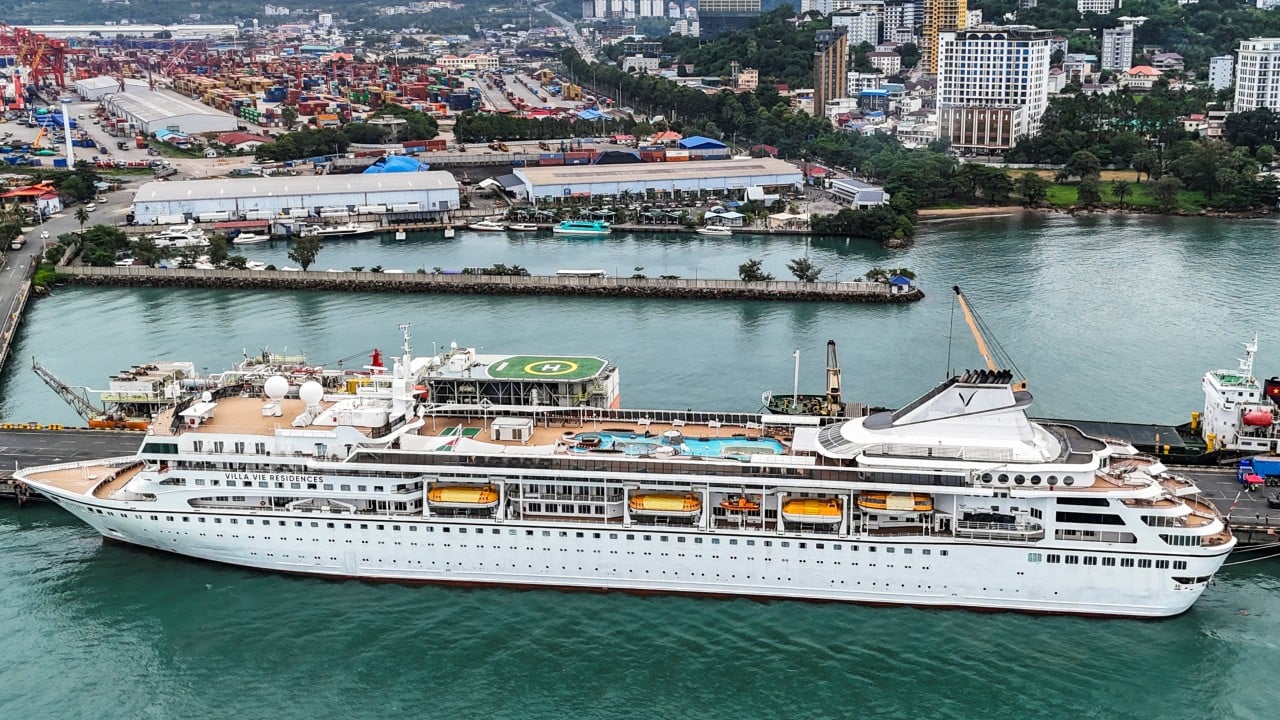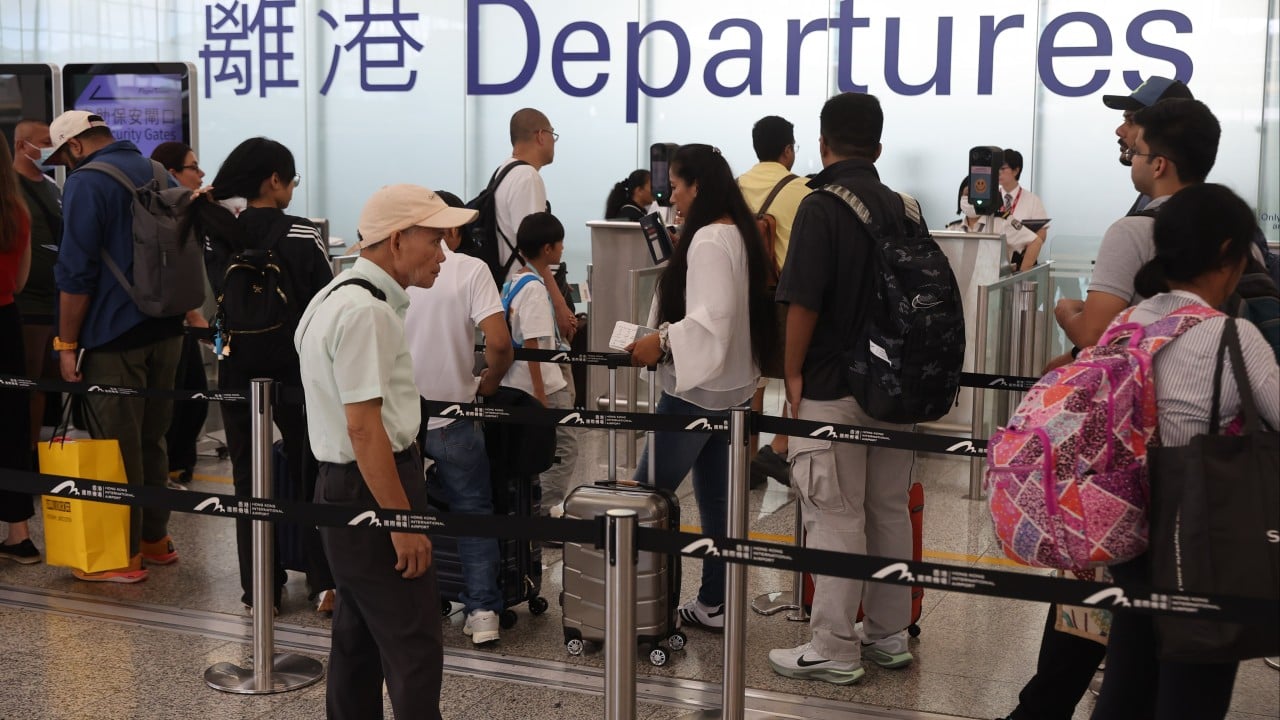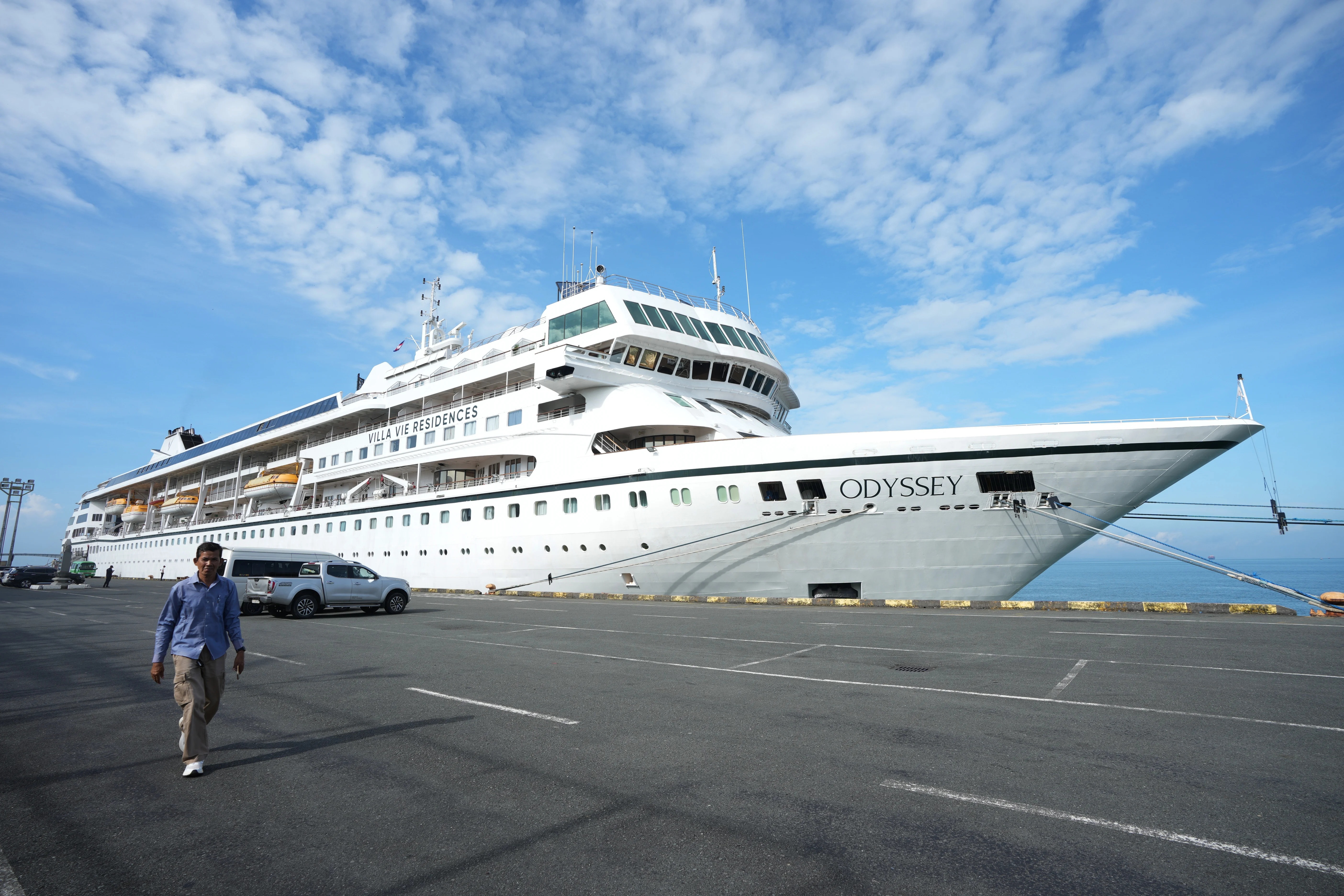
Two hundred suitcases sit packed in cabins that will never cross the equator.
Imagine, for a second, that you have spent the last five years liquidating a suburban life—selling the lawnmower, boxing up the wedding albums, signing over the deed to a three-bedroom colonial—all to buy a slice of the horizon. To make this tangible, consider a hypothetical couple we will call Arthur and Evelyn, retired educators from Ohio who traded their snow shovel for a 130-day circumnavigation of the globe aboard a mid-sized American cruise vessel. They aren't billionaires lounging on superyachts; they are middle-class dreamers who cashed out modest pensions for one grand, sweeping goodbye to dry land. For another look, consider: this related article.
Then, somewhere between the itinerary brochure and the open ocean, the math broke.
When a U.S. cruise operator abruptly suspends a global voyage due to surging marine fuel costs, leaving 200 passengers stranded in limbo, the headlines treat it like a routine ledger adjustment. A line item went red. A route was canceled. Refunds were promised. Yet beneath the dry corporate press releases lies a much more volatile story about fragile supply chains, the razor-thin economics of maritime travel, and what happens when the invisible infrastructure of the modern world suddenly becomes too expensive to burn. Further analysis on this matter has been published by Travel + Leisure.
The Anatomy of a Maritime Ghost Ship
To understand why two hundred people are suddenly staring at canceled boarding passes and scrambled flight itineraries, you have to look below the waterline.
A cruise ship is not a hotel that happens to float. It is a small, floating industrial city that must generate its own electricity, desalinate its own water, incinerate its own waste, and push tens of thousands of tons of steel through saltwater resistance twenty-four hours a day. Even when a vessel is tied to a pier, its auxiliary engines hum constantly just to keep the air conditioning running and the shrimp cocktail chilled.
Think of a standard passenger vessel as a marathon runner forced to sprint while wearing a lead vest. Fuel is not merely an operational expense for a cruise line; it is the single heaviest anchor dragging on the balance sheet, typically accounting for 10 to 15 percent of total operating costs during normal market conditions. When geopolitical instability, refinery bottlenecks, or regulatory shifts send marine gasoil and very-low-sulfur fuel oil prices spiking, that percentage doesn't just creep upward. It detonates.
Unlike massive mega-liners carrying five thousand guests—ships that operate like floating shopping malls where onboard casino losses and $18 cocktails subsidize the cost of diesel—smaller, expedition-style or long-haul residential vessels operate on an entirely different economic model. With only 200 passengers aboard, there is no economies-of-scale safety net. Every single nautical mile burns thousands of dollars in bunker fuel, and there simply aren't enough wallets on board to absorb a sudden 30 or 40 percent surge at the pump.
The Illusion of the All-Inclusive Promise
I remember standing on the windswept promenade deck of an aging coastal ferry in the North Atlantic a few winters ago, watching dark, oily exhaust curl out of the funnel against a slate-gray sky. The chief engineer, a man whose knuckles were permanently stained with grease and salt, told me something I have never forgotten: Passengers think they are buying a vacation, but they are really buying futures on crude oil.
He was right. Every cruise ticket is an unspoken gamble made months, sometimes years, in advance.
When travelers book a world voyage, they lock in a price long before the ship ever slips its moorings. The cruise operator, in turn, tries to hedge against price swings by purchasing fuel contracts ahead of time. It is a delicate high-wire act. If the operator hedges too aggressively and oil prices drop, they lose money to competitors offering cheaper fares. If they under-hedge—or if a sudden geopolitical shock sends energy markets into a tailspin—the company is suddenly paying spot-market prices for fuel while collecting yesterday’s ticket revenue.
For the 200 passengers caught in the latest suspension, that financial disconnect became painfully personal.
Consider what happens next when a voyage collapses under the weight of its own fuel bill. First comes the eerie silence from customer service. Itinerary updates vanish. Port excursions disappear from the booking portal. Then arrives the sterile email—the kind drafted by maritime lawyers and public relations teams—explaining that due to "unforeseen operational challenges and macroeconomic pressures," the sailing has been suspended.
Suddenly, those 200 people aren't travelers; they are logistical refugees. Some have already flown across oceans to reach the embarkation port. Others have sublet their homes for six months, paused their health insurance plans, or boarded their pets until spring. A refund of the cruise fare—assuming the company has the liquid cash to issue it promptly rather than offering future cruise credits—does nothing to reimburse a $2,400 last-minute business-class flight home from a foreign port, nor does it un-rent a house back in Ohio.
Why Smaller Voyages Are the First to Sink
If you look closely at the maritime industry over the past decade, a clear pattern emerges. The giants survive, and the boutiques bleed.
Industry behemoths like Carnival, Royal Caribbean, and Norwegian Cruise Line command fleets so vast they can negotiate bulk fuel contracts directly with major energy producers. More importantly, their newest ships are engineering marvels powered by liquefied natural gas (LNG) and equipped with hull-air lubrication systems that release microscopic bubbles under the keel to reduce friction through the water. They also possess deep credit lines that allow them to bleed cash during a bad quarter and recoup it during peak summer bookings.
Mid-sized and independent U.S. cruise operators enjoy none of those luxuries. Many run older vessels with thirsty, less efficient engines that require expensive marine gasoil to meet strict international emissions standards—specifically the International Maritime Organization's sulfur cap, which forced ships to abandon cheap, dirty heavy fuel oil in favor of cleaner, drastically pricier distillates.
When fuel prices spike, a boutique operator faces a brutal math problem with only three answers:
- Impose a retroactive fuel surcharge, which infuriates loyal customers and triggers waves of cancellations.
- Cut ports of call and slow the ship down—a practice known in shipping as "slow steaming"—which turns a dream world tour into endless days staring at empty blue water.
- Pull the plug entirely, stranding passengers at the dock rather than running out of cash halfway across the Pacific.
The third option sounds catastrophic, yet from a cold accounting perspective, it is often the only way to avoid maritime bankruptcy. Once a ship leaves port on a global itinerary, it cannot simply pull over to the side of the highway. If a vessel fails to pay a fuel bunker supplier in Singapore or Panama, local authorities can legally "arrest" the ship—chaining it to the dock until creditors are paid, leaving passengers trapped aboard in legal purgatory.
The Invisible Vulnerability of Modern Travel
We live in an era that sells frictionless movement as a birthright. With three taps on a glass screen, we summon a car, book a cross-continental flight, or reserve a balcony cabin bound for Bora Bora. That convenience breeds a quiet arrogance; we begin to believe that the physical laws of energy and distance no longer apply to us.
They still do. Every single mile you travel is paid for in carbon, heat, and commodity markets.
It is genuinely unsettling to realize how thin the margin is between a seamless luxury vacation and a stranded crowd in an airport terminal. Even seasoned travel analysts admit that predicting marine fuel volatility has become nearly impossible in a world defined by fractured trade routes, refinery closures, and shifting environmental mandates. When tankers have to reroute around conflict zones, adding weeks to global delivery times, the ripple effect doesn't stop at your local gas station. It washes directly onto the gangways of passenger ships thousands of miles away.
For travelers eyeing extended voyages or independent cruise lines, this reality demands a radically different approach to booking. You can no longer treat a cruise confirmation as a guarantee.
Smart travelers now treat every long-haul itinerary like an expedition into uncertain territory. They book airfare through airlines that allow penalty-free cancellations rather than bundling rigid flights through the cruise line. They buy comprehensive "cancel for any reason" travel insurance policies that explicitly cover operator insolvency and financial default—standard policies frequently exclude both. And perhaps most crucially, they scrutinize the balance sheet and fleet age of the operator before wiring a five-figure deposit. If a company is running a single, twenty-year-old vessel on an ambitious global route at prices that seem too good to be true, the fuel tank is usually the first thing to run dry.
The Weight of an Unfinished Map
Back in our hypothetical scenario, Arthur and Evelyn are sitting in an airport lounge thousands of miles from home, staring at a paper map of the world they had marked with red highlighter pen—tracing the Panama Canal, the South Pacific, the Suez, the Mediterranean.
The lines stop abruptly at the first dot.
In the grand scheme of global commerce, 200 stranded passengers is a statistical footnote. Millions of people will board ships this year, drink umbrella cocktails by the pool, and return home sunburned and satisfied. The stock tickers will keep scrolling, the tankers will keep pumping, and the industry will quietly absorb the casualty and move on to next season’s brochure.
Yet if you stand on a pier at dusk and watch a darkened cruise ship sit idle at its moorings—its gangway pulled up, its smokestacks cold against the evening wind—you see the truth that the brochures leave out. The horizon isn't free, the ocean is indifferent, and even the grandest human dreams still run on whatever is left in the tank.