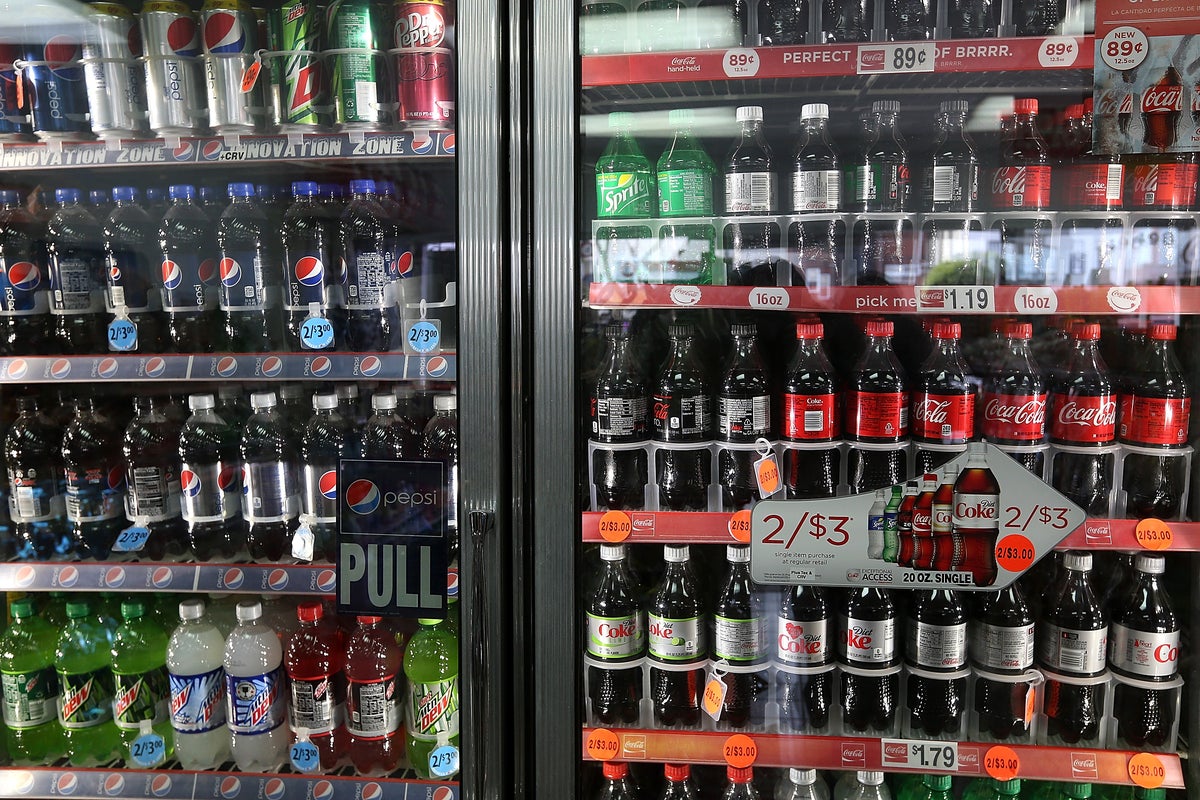
A standard eight-ounce sugar-sweetened beverage consumed daily is now linked to a 2.45-fold increase in the risk of developing stomach cancer. This finding, emerging from a recent analysis of more than 112,000 individuals followed over several decades, marks the first time such an association has been established within a United States population. While the medical community has long cautioned against the empty calories and metabolic strain caused by sugary drinks, this data shifts the narrative from general weight management toward a far more urgent concern regarding oncological health.
The reality of gastric cancer is grim. It remains the fifth most common cancer globally, and in the United States, it lacks the kind of widespread, routine screening protocols that catch other malignancies early. Because this disease often remains silent until it reaches advanced stages, the emphasis on lifestyle modification is not merely advice; it is a necessity for risk mitigation.
Researchers identified that the risk increase was specifically tied to sugar-sweetened drinks, including carbonated sodas, sports drinks, and sweetened juices. Notably, the study found no such correlation between gastric cancer and artificially sweetened beverages. This distinction suggests that the primary issue is not just the act of drinking a flavored liquid, but the specific biological response to the high concentrations of sugar, particularly fructose, delivered in liquid form.
The precise mechanism driving this increased risk remains a subject of intense investigation. We know that sugar-sweetened beverages drive systemic changes, but the path from a daily soda to a tumor is not a straight line. Chronic, low-grade inflammation is a suspected culprit. When you consume high amounts of added sugar, you trigger a cascade of hormonal and metabolic reactions. Insulin resistance, a common byproduct of such a diet, creates an environment where cells are constantly bathed in signaling molecules that can interfere with normal growth and repair.
Consider the role of adipose tissue. Excess body weight, frequently fostered by a high intake of liquid sugar, is a known contributor to at least thirteen different types of cancer. Fat cells are not inert storage units; they are active endocrine organs that release inflammatory cytokines into the bloodstream. This chronic state of inflammation can damage DNA and impair the immune system’s ability to hunt down and eliminate aberrant cells before they develop into full-blown cancer.
We must also address the gut environment. The stomach lining is a delicate interface. High-sugar intake can alter the composition of the gut microbiome, potentially encouraging the growth of bacteria that produce carcinogenic compounds or simply creating an environment where inflammation thrives. While Helicobacter pylori remains a leading cause of gastric ulcers and cancer, the interaction between this bacterium and a high-sugar diet could be a volatile combination that researchers are only beginning to understand.
There is a tendency to view such studies through a lens of extreme alarmism. However, it is essential to distinguish between correlation and causation. The current data does not suggest that a single drink will trigger a disease process. Instead, it highlights the danger of a persistent, daily habit.
This research is particularly striking for its focus on fructose. Unlike glucose, which is used by every cell in the body for energy, fructose is processed almost entirely by the liver. When consumed in the quantities found in modern beverages, it can overwhelm the liver’s capacity, contributing to fatty liver disease and disrupting lipid metabolism. This metabolic burden likely extends its reach to the stomach, though the exact physiological pathway is a missing piece of the puzzle.
When patients ask how to lower their risk, the answer is rarely about one single food item. It is about total dietary pattern. If you replace your daily soda with water, tea, or black coffee, you remove a major source of inflammatory, metabolic stress.
Some might argue that genetics play a larger role. That is true, yet we possess no control over our genetic blueprint. We do have control over what we consume. In the absence of early screening tools for stomach cancer, prioritizing these dietary shifts is the most effective proactive step an individual can take.
Medicine is an iterative process. This study is not the final word, but it is a significant warning sign that we can no longer afford to ignore. The relationship between what we drink and the most fundamental cellular processes of our bodies is deeper than once believed. Every time you reach for that sweetened bottle, you are making a choice that echoes far beyond a simple afternoon sugar rush. It is time to treat these beverages with the same caution we apply to other known health hazards. Make the trade today. The alternative is simply not worth the cost.