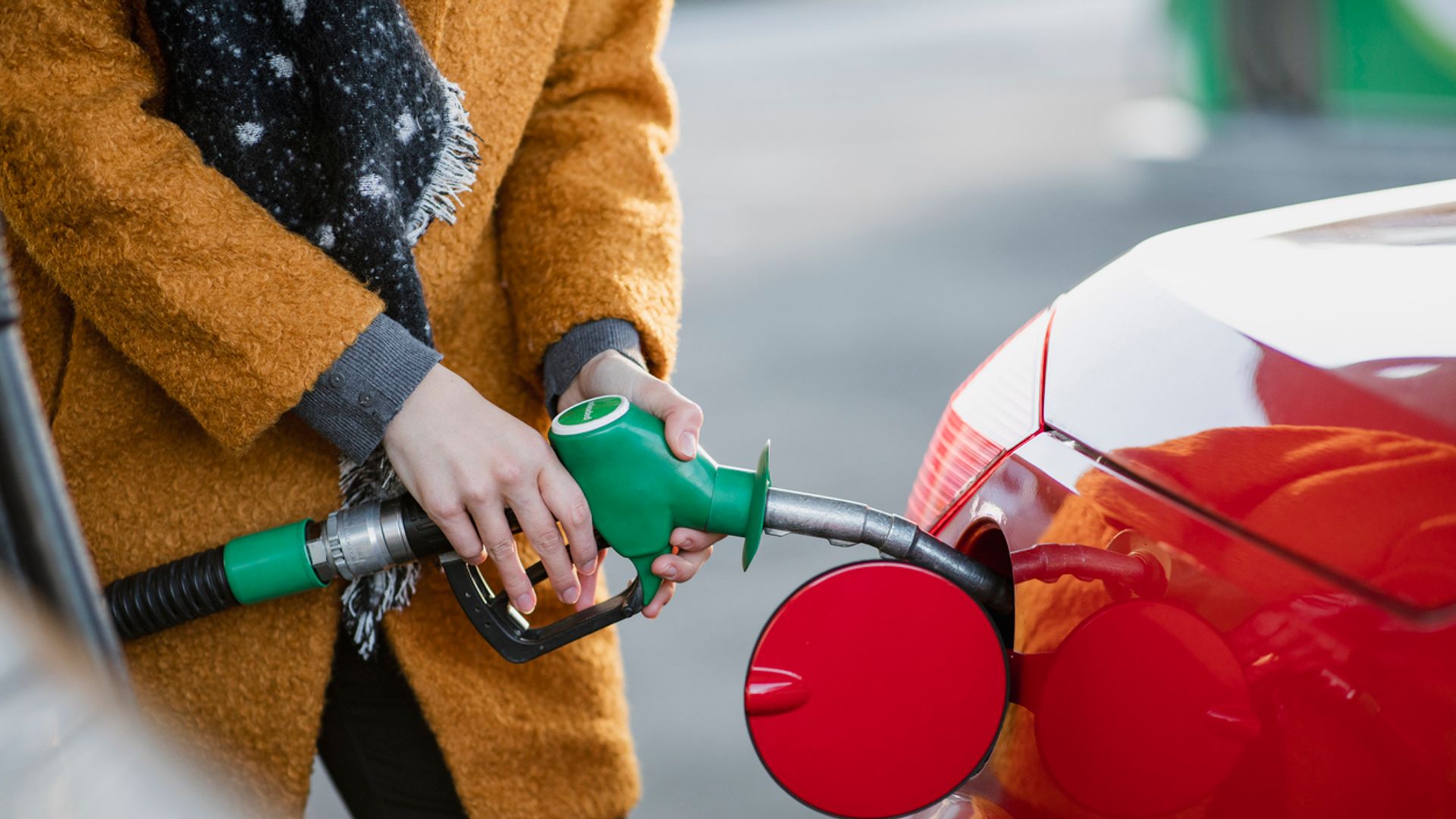
The dashboard light flickers. It is 5:30 PM on a rainy Tuesday. You are sitting in a gridlock of brake lights, watching the fuel gauge dip below the line. Ahead, two gas stations face each other across a four-lane highway. On the left, a gleaming, well-branded canopy glows with a familiar corporate logo. On the right, a slightly faded independent station offers the exact same liquid for eight cents less per gallon.
You find yourself doing the mental math. Eight cents times fifteen gallons is $1.20. It feels trivial. Yet, millions of drivers make this exact split-second choice every single day, driven by an invisible tug-of-war between psychological comfort and raw economic survival.
We treat gasoline as a chore, a background expense of modern existence. But the price on that neon sign tells a deeply human story about logistics, brand illusion, and the quiet anxieties of the American commuter.
The Illusion in the Tank
Let us look at Sarah. She is a hypothetical composite of the average commuter, driving forty miles a day in a mid-sized SUV. Sarah exclusively buys premium, top-tier fuel from a massive, globally recognized brand. She does this because her father told her twenty years ago that cheap gas would ruin her engine. She genuinely believes the extra money safeguards her livelihood.
She is largely wrong. But her belief is exactly what the multi-billion-dollar fuel industry counts on.
The fundamental truth of petroleum logistics is remarkably unglamorous. Beneath the highway network lies a massive, shared infrastructure. The base gasoline flowing through pipeline systems to a specific region is almost entirely identical. It comes from the same refineries, travels through the same tubes, and sits in the same massive regional storage tanks.
The divergence happens at the very end of the line, right before the fuel truck drives out onto the highway. This is where proprietary additive packages are injected into the fuel.
These additives matter. They contain detergents designed to prevent carbon buildup on engine valves. Major national brands invest heavily in marketing these blends, convincing drivers that their specific recipe is a performance elixir.
In reality, the government enforces a strict baseline for detergents across all fuel sold. While Top Tier certified brands do use higher concentrations of detergents than the legal minimum, this certification is not exclusive to luxury brands. Many budget-friendly, independent chains sell Top Tier fuel as well.
Sarah is paying a premium not for a superior base product, but for a massive marketing budget and a recognizable logo. She pays for the feeling of safety.
The Architecture of a Cent
Why does the independent station across the street consistently undercut the corporate giant? The answer lies in the brutal reality of gas station business models.
Consider how a traditional franchise station operates compared to an independent discounter. The major brand station often operates under a rigid contract. They must buy their fuel from a specific distributor, often at a fixed wholesale price known as the dealer tank wagon price. This price includes the cost of national advertising, credit card processing fees, and corporate overhead.
The independent owner across the street plays a much riskier, more dynamic game. They buy from the unbranded spot market. If oil prices dip on a Thursday morning, the independent owner can immediately purchase a cheaper load of fuel and pass those savings directly to the consumer to drive traffic.
But fuel itself is rarely where the money is made.
For the average gas station owner, the fuel outside is merely a loss leader. It is a brightly lit hook designed to pull a two-ton metal box off the highway. The real profit margins are not hidden in the underground storage tanks. They are sitting on the shelves inside the convenience store.
- The Fuel Margin: Typically averages just 10 to 15 cents per gallon before credit card fees, rent, and electricity are deducted.
- The In-Store Margin: Bottled water, energy drinks, and tobacco products regularly carry profit margins of 30% to 50%.
When a budget brand drops its fuel price to the absolute bone, they are gambling. They are betting that the driver who saves two dollars at the pump will walk inside and spend four dollars on a coffee and a bag of chips. The cheaper station isn't necessarily selling inferior fuel; they are simply running a different psychological play on your wallet.
The Geography of Anxiety
Where you live dictates how much you bleed at the pump, often in ways that feel entirely unfair.
Take a driver in a rural town with a single gas station along an interstate exit. Without competition, that station can charge a massive premium simply for existing in a geographic vacuum. Now contrast that with an urban intersection crowded with four competing stations. Prices there drop rapidly as owners engage in a daily, localized price war, adjusting their signs by a single penny just to steal a customer from across the street.
Beyond local competition, the invisible hand of state regulation creates massive regional disparities. A driver in California pays significantly more than a driver in Texas, not because the oil is different, but because of strict environmental formulations, localized cap-and-trade programs, and some of the highest fuel taxes in the nation.
It is easy to blame the local station owner when prices spike. But that owner is often caught in the same vise grip as the consumer. When wholesale prices skyrocket overnight, station owners face a terrifying dilemma. If they raise prices immediately to cover their next fuel delivery, customers flee to competitors. If they hold prices low to keep their volume up, they lose money on every single gallon sold, draining their cash reserves.
The True Cost of the Hunt
We have all seen the driver who goes out of their way to save a buck. They will drive five miles off their route, bypass three perfectly good stations, and wait in a twenty-minute idling line at a warehouse club gas station just to save ten cents a gallon.
Let us look at the cold math of that obsession.
If you have a 15-gallon tank and save 10 cents a gallon, your total savings for that entire trip is exactly $1.50.
If you drove an extra ten minutes and burned a quarter-gallon of fuel just to get there, you have effectively wiped out your financial gain. More importantly, you traded twenty or thirty minutes of your finite human life for less than the price of a cup of coffee.
This behavior highlights a strange quirk in human psychology. We experience a profound, disproportionate hit of dopamine when we feel we have gamed the system. Saving money on gas feels like a victory against an oppressive economic tide, even when the actual net gain is practically invisible on a monthly bank statement.
The real savings do not come from obsessive station-hopping. They come from understanding the game.
Using an app to check prices along an existing route makes sense. Buying unbranded fuel from a high-volume independent station that carries Top Tier certification makes sense. But sacrificing your time, peace of mind, and vehicle wear-and-tear to chase the absolute lowest number on a digital sign is a trap.
The rain continues to beat against the windshield. The brake lights ahead finally begin to move. You look at the two stations again. One represents the comfort of a major name; the other represents a few coins left in your pocket. Neither will save your financial life, and neither will destroy your engine. The choice is rarely about the fuel itself. It is about which illusion you prefer to buy into before you step on the gas and drive home through the dark.