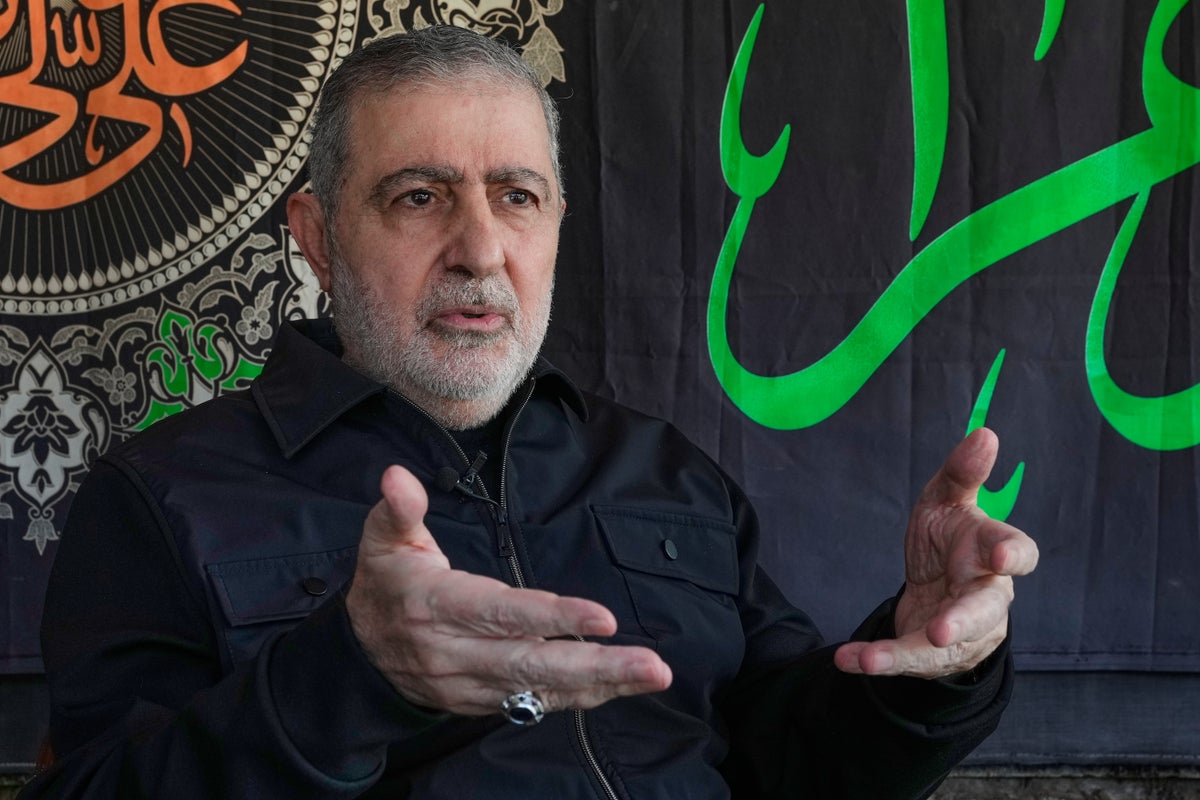
Hezbollah just threw a wrench into the Biden administration’s latest diplomatic push. While State Department officials and regional mediators are huddled in Washington trying to sketch out a ceasefire, the group’s leadership in Beirut isn't just skeptical—they’re outright defiant. They've made it clear that any deal signed without their direct participation or one that ignores their specific demands on the ground is basically dead on arrival.
This isn't just posturing for the cameras. It’s a calculated move to remind everyone that despite months of intense Israeli airstrikes and the loss of key commanders, Hezbollah still holds the keys to the northern front. If you think a piece of paper signed in D.C. will automatically stop the rockets, you’re missing the reality of how power works in the Levant. Discover more on a related issue: this related article.
The Washington Disconnect and the Reality in Southern Lebanon
The core of the problem is a massive gap between diplomatic ambition and tactical reality. US mediators are pushing for a return to a modified version of UN Resolution 1701. They want Hezbollah to pull back about 30 kilometers from the Blue Line, north of the Litani River. In exchange, they’re offering vague promises of Lebanese border demarcation and economic aid packages.
Hezbollah sees this as a non-starter. To them, moving back isn't a "security measure." It’s an unconditional surrender of their primary defensive positions. Their officials are now publicly stating that they won't be bound by agreements where they weren't at the table. Since the US classifies Hezbollah as a terrorist organization, there's no direct seat for them. They rely on the Lebanese government—specifically Speaker of Parliament Nabih Berri—to relay messages. More journalism by The New York Times explores similar perspectives on the subject.
But there’s a catch. Hezbollah feels the Lebanese state doesn't have the mandate to trade away the group’s military presence. When a Hezbollah official says they won't abide by the talks, they’re telling the Lebanese government: "Don't sign anything we haven't personally cleared, because we won't follow it."
Why the Litani River is the Red Line
You’ll hear "Litani River" mentioned in every news report, but people rarely explain why it’s the hill Hezbollah is willing to die on. The terrain between the Israeli border and the Litani is a maze of valleys and caves. It’s where Hezbollah has spent twenty years building "Nature Reserves"—heavily fortified underground bunkers and missile launch sites.
If they move north of the river, they lose:
- Topographical Advantage: The high ground overlooking Israeli Galilee settlements.
- Short-Range Capabilities: Their massive stock of Kornet anti-tank missiles becomes less effective if they can’t see the targets.
- Strategic Depth: They’d be squeezed into a smaller area, making them easier targets for the Israeli Air Force (IAF).
Israel, on the other hand, says its 60,000 displaced citizens can't go home while Hezbollah's Radwan forces are sitting right on the fence. It's a classic stalemate. The US is trying to solve a 2,000-year-old land dispute with a 21st-century PowerPoint presentation. It doesn't work that way.
The Gaza Link is Still the Main Trigger
Hezbollah’s leadership remains stubborn about one thing: the "Unity of Fronts." They’ve tethered the fate of southern Lebanon to the war in Gaza. Their logic is simple. They started firing on October 8th to support Hamas. They won't stop until there’s a permanent ceasefire in Gaza.
The US strategy has been to try and "de-couple" these two conflicts. They want a separate deal for Lebanon so they can claim a diplomatic win even if Gaza remains a mess. Hezbollah knows this. By rejecting the US-led talks, they’re signaling to Iran and Hamas that they aren't looking for an exit ramp that leaves their allies hanging.
It’s a high-stakes gamble. Lebanon is already a failed state economically. The electricity is barely on. The currency is worthless. Adding a full-scale war with Israel could be the final blow. Yet, Hezbollah’s base expects resistance, not concessions.
What the Media Misses About the Lebanese Armed Forces
Most talk-show pundits suggest the Lebanese Armed Forces (LAF) should just move south and take over. It sounds great in a policy paper. In reality, it’s a fantasy.
The LAF is underfunded and overstretched. More importantly, it’s composed of the same sectarian mix as the country. If the LAF tried to forcibly disarm Hezbollah or push them back, the army would likely fracture along religious lines. We’ve seen this movie before in the 1970s. It leads to civil war.
Hezbollah knows the LAF can’t—or won't—act as a border guard for Israel. That’s why their "non-abidance" threat carries so much weight. They aren't just defying the US; they’re daring the Lebanese state to try and stop them.
The Iranian Factor in the Room
We can’t talk about these negotiations without mentioning Tehran. Hezbollah is the crown jewel of Iran’s "Axis of Resistance." While the group has some local autonomy, big-picture decisions about regional wars are usually coordinated with the IRGC’s Quds Force.
Reports suggest that Iran isn't ready to cash in its Hezbollah chip just yet. Hezbollah serves as a massive deterrent against an Israeli strike on Iran’s nuclear facilities. If Hezbollah moves back from the border and loses its effectiveness, Iran loses its best insurance policy. This is why the rhetoric coming out of Beirut has turned so sharp lately. They’re projecting strength to ensure Israel doesn't think they’re desperate for a deal.
Tactical Shifts on the Ground
While the diplomats talk, the weapons are changing. We’ve seen Hezbollah start using more sophisticated drones and even surface-to-air missiles against Israeli UAVs. They’re showing that even under heavy bombardment, their supply lines from Syria remain open.
This technical resilience fuels their political defiance. If they felt they were losing, they’d be more open to the US-led proposals. The fact that they’re publicly trashing the Washington talks suggests they believe they can outlast the current Israeli military pressure.
Why Diplomacy Keeps Failing in the Levant
Diplomacy usually requires both sides to fear the alternative more than the compromise. Right now, Israel’s government feels it can’t stop until Hezbollah is pushed back. Hezbollah feels it can’t push back without losing its reason for existing.
The US is trying to bridge this with "incentives." But you can’t buy off an ideological militia with infrastructure projects when they believe they’re fighting an existential war. The "talks" are mostly a performance for domestic audiences in the US and Israel. On the ground in Marjayoun and Bint Jbeil, the only language being spoken is 155mm artillery and ATGM fire.
What Actually Happens Next
Don't expect a signed treaty anytime soon. Instead, watch for a "silent" arrangement or a long-term war of attrition. Hezbollah will likely continue to ignore any announcements coming out of the State Department. They’ll wait for a Gaza breakthrough. If that doesn't happen, the risk of a miscalculation—a rocket hitting a high-occupancy building or an Israeli strike going too far into Beirut—increases every day.
The group’s refusal to abide by external talks isn't a glitch in the system; it’s the system itself. They operate outside the norms of international law because they don't recognize the legitimacy of the actors trying to manage them.
If you're watching this situation, stop looking at the press releases from Washington. Start looking at the troop movements along the Litani. That’s where the real "negotiation" is happening. The diplomats are just providing the background noise to a very loud, very dangerous conflict that isn't interested in being "solved" by outsiders.
Prepare for more volatility. Hezbollah has signaled its play: they aren't moving, and they aren't listening. The ball is now in Israel's court to decide if they want to force the issue or accept a permanent state of low-level war.