The execution chamber was supposed to be final. Instead, it became a medical disaster that exposed the fragile, chaotic reality of capital punishment.
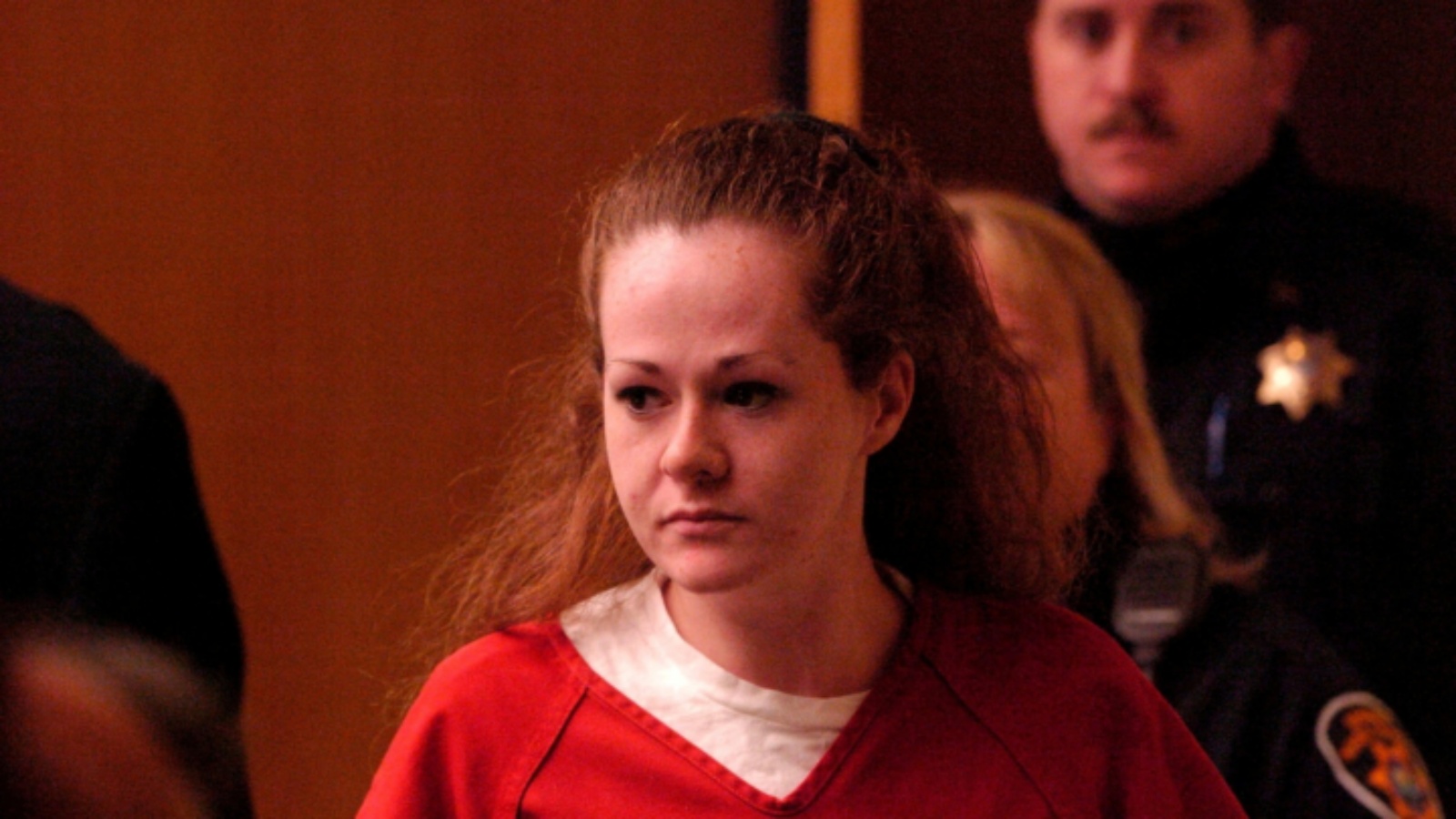
When Tennessee attempted to execute Christa Pike on September 30, 2026, things went catastrophically wrong. Pike, the only woman on Tennessee's death row, didn't die as planned. Instead, she survived a botched lethal injection that left her unconscious, on a ventilator, and fighting for her life in an off-site hospital. It was a chaotic sequence of events that forced state leaders to halt all remaining executions for the year and sparked fierce national debate over the mechanics of state-sanctioned death. Meanwhile, you can read similar stories here: The Quiet Price of Keeping Someone Else's House Running.
The Breakdown Inside the Chamber
The warning signs started before the drugs ever entered a vein. Execution witnesses watched as prison staff struggled for over an hour to establish intravenous access. According to legal filings from Pike’s defense team, the execution crew used roughly ten needles across multiple sites on both of her arms.
Her attorneys later argued that the team ignored clear signs that her veins had blown. Rather than stopping to reassess a failing medical procedure, officials pushed ahead, administering an initial dose of pentobarbital. To explore the full picture, we recommend the detailed analysis by The Guardian.
Instead of flowing cleanly into her bloodstream, the drug leaked into surrounding tissue. Pike remained conscious enough to complain that her arm felt like it was about to burst. Witnesses saw her move, lift her head, and kick off her covers. Per state protocol, because she was still alive after the initial window, a second dose of pentobarbital was administered.
That didn't work either. More than an hour into the botched procedure, lawyers scrambled to reach courts and emergency contacts as sounds of distress echoed from the chamber. Pike was eventually rushed to a hospital, heavily sedated, placed on a ventilator, and treated for severe burns and blistering on her arms.
Why the Medical Community is Furious
Outside the legal battles, medical professionals slammed the state's execution process as a dangerous charade. Critics pointed out that execution protocols attempt to mimic clinical procedures while stripping away actual medical standards, accountability, and training.
When execution teams are forced to repeatedly jab an inmate because they cannot secure a line, it crosses the line from capital punishment into active physical torture. Legal experts and medical associations have long argued that doctors are bound by medical ethics to preserve life, leaving corrections departments to rely on undertrained staff who routinely bungle the physical mechanics of lethal injection.
The Legal Aftermath and Evidence Scramble
Pike eventually regained consciousness, spoke to her legal team, and was discharged back to the Deborah K. Johnson Rehabilitation Center. In a statement dictated to her lawyers, she described waking up alone, confused, and in immense physical and emotional pain.
Meanwhile, a fierce legal war erupted over the physical evidence from that night. Pike’s attorneys demanded access to inspect, collect, and test the leftover pentobarbital, syringes, and IV equipment. They want to know if the drugs were expired, improperly mixed, or incorrectly labeled.
The state pushed back hard. Tennessee Attorney General Jonathan Skrmetti asked a court to block the defense from testing the remaining drugs, warning that identifying the supplier could cause them to cut off future access entirely. An unsealed affidavit revealed that anonymous suppliers had already threatened to stop providing lethal drugs if their identities were exposed.
Governor Bill Lee ordered an independent third-party review of the execution process and suspended all pending executions. Whether Tennessee attempts to wheel Christa Pike back into the execution chamber remains an open, deeply contentious question. What's clear is that the state's machinery of death hit a wall of its own making, leaving a trail of legal chaos and medical malpractice in its wake.