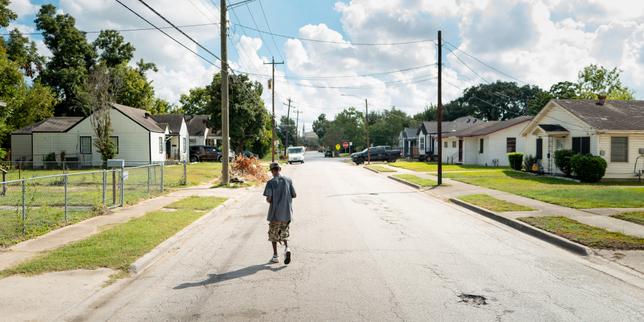
The streets of Springfield, Ohio, are quiet. Too quiet. Neighborhoods that used to buzz with life, local commerce, and community gatherings are now dealing with an eerie, heavy stillness. Curtains stay drawn tightly over windows. Front doors remain bolted. People don't go out for groceries unless they absolutely have to, and local churches—once bustling sanctuaries of comfort and fellowship—sit completely empty.
This isn't a drill. Following the expiration of Temporary Protected Status (TPS) protections for hundreds of thousands of Haitian nationals, U.S. Immigration and Customs Enforcement (ICE) agents have ramped up aggressive enforcement operations nationwide.
If you want to understand why communities are shuttering themselves indoors, you have to look past the political talking points and examine what's happening on the ground.
The Reality Behind the ICE Crackdown
For months, federal immigration authorities have accelerated tracking, detentions, and deportations targeting the Haitian diaspora. Cities like Springfield, Ohio, which saw a vital influx of hardworking families revitalizing aging neighborhoods, have ground to a halt.
The atmosphere changed overnight. Families who spent years building legal routines, paying taxes, and contributing to local hospitals, factories, and agricultural sectors now live in constant dread.
The fear isn't abstract. It's fueled by real-world sweeps. ICE vehicles tracking residents down ordinary residential streets, sudden detentions during routine court bond hearings, and individuals taken away without proper access to legal representation. When breadwinners disappear into federal detention centers like the Butler County Jail, entire households are left fractured and terrified.
Surviving in Silence
The psychological toll on these communities is staggering. Many residents have turned off their electricity during daylight hours just to avoid drawing attention to their homes, worried that visible signs of life will invite a knock on the door.
Local volunteers and community advocates have stepped in to bridge the survival gap, risking their own safety to deliver food and essential supplies to families too afraid to step outside.
"We spend our days in silence," explains one local resident who keeps her curtains pinned shut. That sentiment echoes across multiple states where Haitian families are weighing an impossible choice: stay and risk sudden detention, or return to a Caribbean nation gripped by severe gang violence and political instability.
What Happens When Protection Ends
The core of this crisis traces back to policy shifts ending legal protections for hundreds of thousands of individuals. Critics and human rights organizations point out that returning deportees to Haiti right now violates basic non-refoulement principles, given that parts of the country remain under the brutal control of armed criminal syndicates.
Yet, the enforcement machine moves forward. Families are separated, children with U.S. citizenship face agonizing futures, and legal advocates struggle to push back against a system moving faster than due process can accommodate.
Communities are learning the hard way how quickly security can vanish. If you're following immigration shifts or looking for ways to support affected immigrant families, local legal defense funds and grassroots mutual aid networks remain the primary lifelines for those hiding in plain sight.
Haitians in Maryland live in fear over ICE detentions after TPS expiration
This video report from NBC News breaks down the mounting anxiety and real-world impact of ICE detentions on Haitian families navigating the sudden expiration of their protected status.