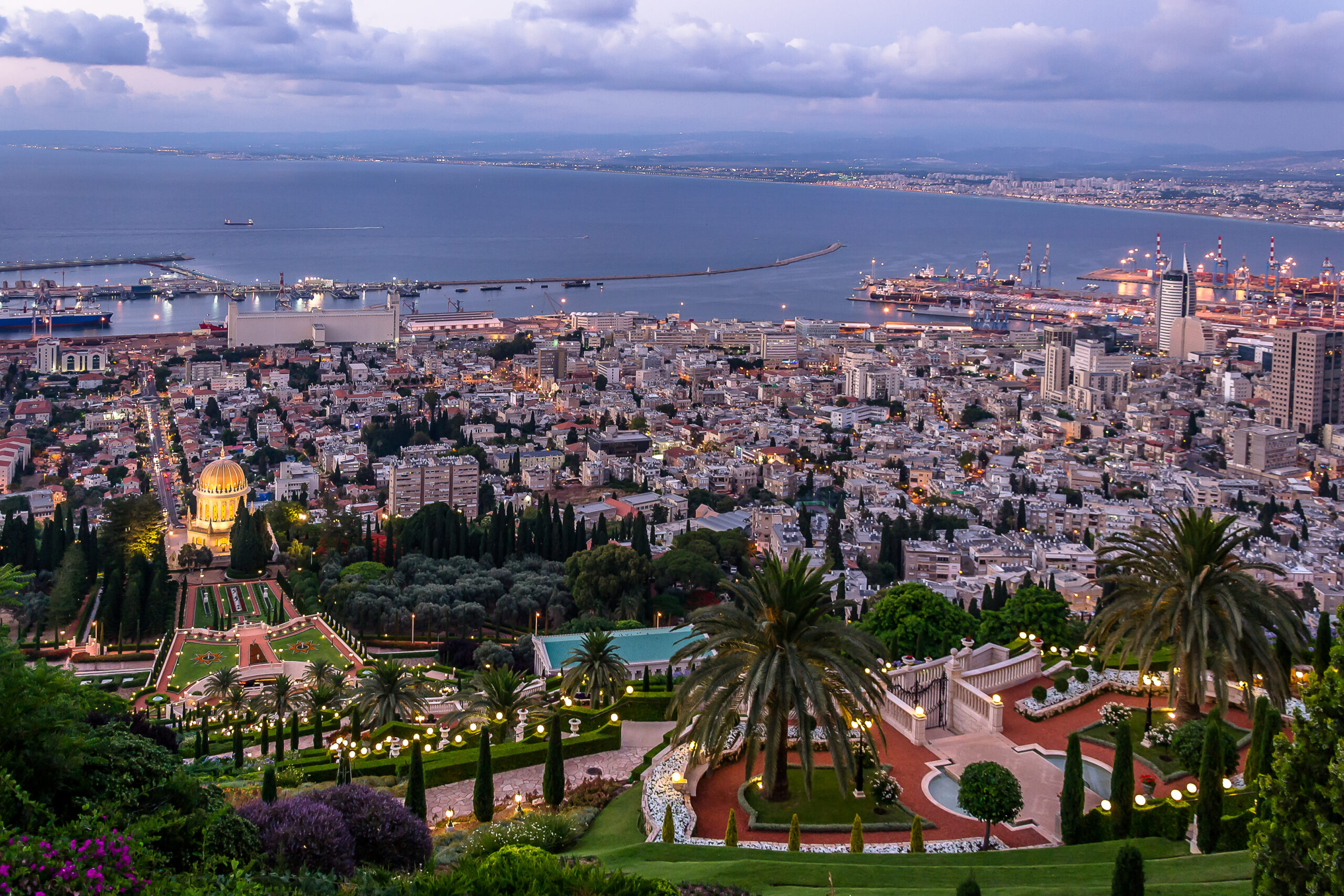
History rarely moves in straight lines. Sometimes, a century-old cavalry charge in a dusty corner of the Levant quietly reshapes modern geopolitics decades later. Every autumn, Indian and Israeli officials mark Haifa Day, commemorating the September 1918 liberation of the strategic port city by the 15th Imperial Service Cavalry Brigade. Composed largely of soldiers from the princely states of Jodhpur, Mysore, and Hyderabad, these troops broke Ottoman defenses using unconventional cavalry tactics that military historians still study.
Today, this commemoration has evolved far beyond a routine military remembrance. It functions as a diplomatic barometer. When senior figures from various political backgrounds—including Rashtriya Swayamsevak Sangh (RSS) leader Indresh Kumar at past commemorations—address these events, they do so against a backdrop of tightening strategic cooperation between New Delhi and Tel Aviv. But treating this alliance as a sudden creation of modern political alignments ignores the deeper, more complex structural roots binding the two nations.
To understand why a WWI battle in Haifa resonates in contemporary political discourse, we have to look past the official press releases. The convergence between India and Israel is not built purely on shared historical nostalgia, nor is it a temporary marriage of convenience. It is anchored in converging security paradigms, agricultural partnerships, and intelligence-sharing networks that have matured quietly over three decades.
The Strategic Anatomy of Modern Defense Ties
Diplomacy is forged in procurement offices and intelligence centers. When India normalized full diplomatic relations with Israel in 1992, it broke a long-standing pattern of non-aligned caution. For decades, New Delhi kept Tel Aviv at arm's length, constrained by domestic political considerations and energy dependencies in the Middle East.
The shift from covert cooperation to open partnership happened because both capitals faced immediate, unyielding security realities. India needed advanced defense avionics, radar systems, and counter-terrorism hardware. Israel, operating in a hostile regional environment, needed a massive, reliable market and a strategic counterweight in Asia.
Military analysts often point to the 1999 Kargil War as the turning point. When conventional supply chains failed to provide crucial reconnaissance data, Israeli unmanned aerial vehicles and laser-guided munitions filled the gap. Since then, the relationship has expanded into joint manufacturing, cyber security agreements, and naval exercises. Haifa Day provides the historical veneer, but defense contracts provide the structural weight.
The Domestic Political Narrative and Regional Balance
Public diplomacy requires symbols. In India, referencing the soldiers of Jodhpur and Mysore allows political figures to frame modern international relations through a lens of martial valor and historical contribution to global stability. When leaders speak at Haifa Day events, the rhetoric invariably touches upon world peace, mutual respect, and the fight against terrorism.
Yet, this balancing act requires immense diplomatic dexterity. New Delhi has traditionally maintained a nuanced foreign policy in West Asia, balancing its deep historical ties with Palestine, its energy security imperatives with Gulf nations, and its strategic partnership with Israel.
Critics often question whether an overt tilt toward Israel complicates India's standing in the broader Arab world. The reality on the ground has proven more pragmatic. Gulf monarchies and Israel have pursued their own normalization paths through regional accords, easing the pressure on New Delhi to choose between traditional allies and new technological partners. India’s approach remains stubbornly transactional: cooperation is driven by national interest, technology transfer, and economic utility rather than ideological alignment alone.
Beyond the Battlefield: Water, Tech, and Agriculture
The enduring strength of the India-Israel corridor lies away from the front lines. Water management and agricultural technology have become the quiet backbone of the partnership.
Arid regions in both countries face severe water scarcity. Israeli drip irrigation systems, desalination plants, and Center of Excellence agricultural farms dot rural landscapes across several Indian states. Farmers in Haryana and Maharashtra are utilizing Israeli crop yields and seed varieties to adapt to shifting climate patterns.
This technological transfer changes the nature of the relationship from an elite security pact to a grassroots economic interaction. When local politicians and community leaders reference international solidarity at historical commemorations, these technological projects give substance to the rhetoric.
The Unfinished Blueprint
As geopolitical fault lines shift across Eurasia and the Middle East, bilateral relationships face new stresses. Global supply chain disruptions, great power competition between the United States and China, and domestic political pressures in both countries will test the resilience of the New Delhi-Tel Aviv axis.
The commemoration at Haifa remains a useful prism. It demonstrates how historical memory is actively curated to serve present-day geopolitical ambitions. Whether addressing historic cavalry charges or signing billion-dollar defense pacts, the underlying motivation remains starkly pragmatic: nations do not forge alliances out of sentimentality. They do so because the map demands it.


