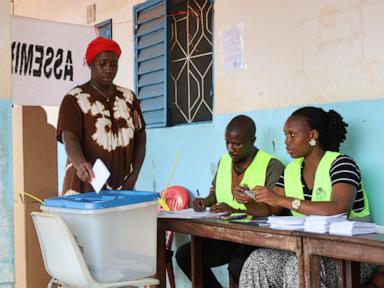
Voters in Guinea-Bissau headed to the polls for a constitutional referendum designed to overhaul the nation's political architecture. Organised by the military junta that seized power in November, the vote asks citizens to decide whether to shift from a semi-presidential model to a full presidential system.
If approved, the changes will dramatically expand executive authority. They will also slash the size of the national legislature. Critics argue the move is a naked grab for authority by the military, while proponents claim it's the only way to stop decades of chronic institutional gridlock.
What the Proposed Constitution Actually Changes
Under the previous framework, executive power was split between a president and a prime minister chosen by the parliamentary majority. That structural friction caused constant clashes, frequent dismissals, and an endless loop of government collapses.
The new charter alters that dynamic completely. The president gains the sole right to appoint and dismiss the prime minister and cabinet members. The head of state will chair the Council of Ministers and retain the power to dissolve parliament during a crisis.
Beyond executive expansion, the text shrinks the National People's Assembly from 102 seats down to 65. It also reduces electoral constituencies from 29 to 12. Supporters argue smaller legislative bodies foster smoother debates. Analysts note that shrinking constituencies weakens regional opposition strongholds and concentrates authority in the capital.
New candidacy requirements also form part of the package. Anyone running for president must now prove continuous residency in the country for the preceding five years. Candidates must also post a substantial financial deposit of 50 million West African CFA francs, roughly 90,000 US dollars. Political parties sponsoring candidates must clear higher membership thresholds across multiple regions.
The Boycott and Public Frustration
Opposition groups urged a complete boycott of the referendum. They argue that a transitional military administration lacks the legal standing to rewrite foundational laws. Prominent critics claim the changes muzzle political parties and ignore the popular will of citizens.
Turnout appeared low across various polling stations in Bissau. Heavy morning downpours mixed with widespread apathy. Many residents voiced frustration over unfamiliarity with the text itself. Citizens trying to navigate the political climate expressed exhaustion with continuous upheaval in one of the world's poorest nations.
The military government insists the referendum is a necessary precursor to general elections scheduled for December. Those elections are meant to hand governance back to civilians. Yet, regional experts remain skeptical about whether rewriting the rules under military oversight will bring lasting peace or simply plant the seeds for future instability.
Check official updates from regional monitoring bodies and election authorities as provisional counts are processed.


