The desert tricks you. You look up at a patch of blue sky, feel the dry heat radiating off red rock, and assume you're safe. You aren't. Flash floods in the Grand Canyon don't care about the weather where you're standing. They care about a thunderstorm pounding asphalt fifty miles away, channeling millions of gallons of water into narrow slot canyons before you even hear the roar.
When heavy rain hit the national park, triggering a severe flash flood that left one person dead and fifteen unaccounted for, it wasn't an unpredictable act of nature. It was a brutal reminder of how quickly things turn fatal in the backcountry. Emergency crews faced brutal conditions trying to locate missing hikers while bracing for the next wave of storms rolling across northern Arizona.
Let's look at why these weather events are so dangerous and what you're missing if you think standard hiking safety applies down in the gorge.
The Geography That Makes the Canyon a Trap
Water moves fast when it has nowhere else to go. The Grand Canyon features steep, impermeable rock walls that shed rainwater instantly rather than absorbing it. When a severe monsoon storm drops inches of rain on the high plateaus, that moisture funnels rapidly into dry washes and narrow tributaries known as arroyos.
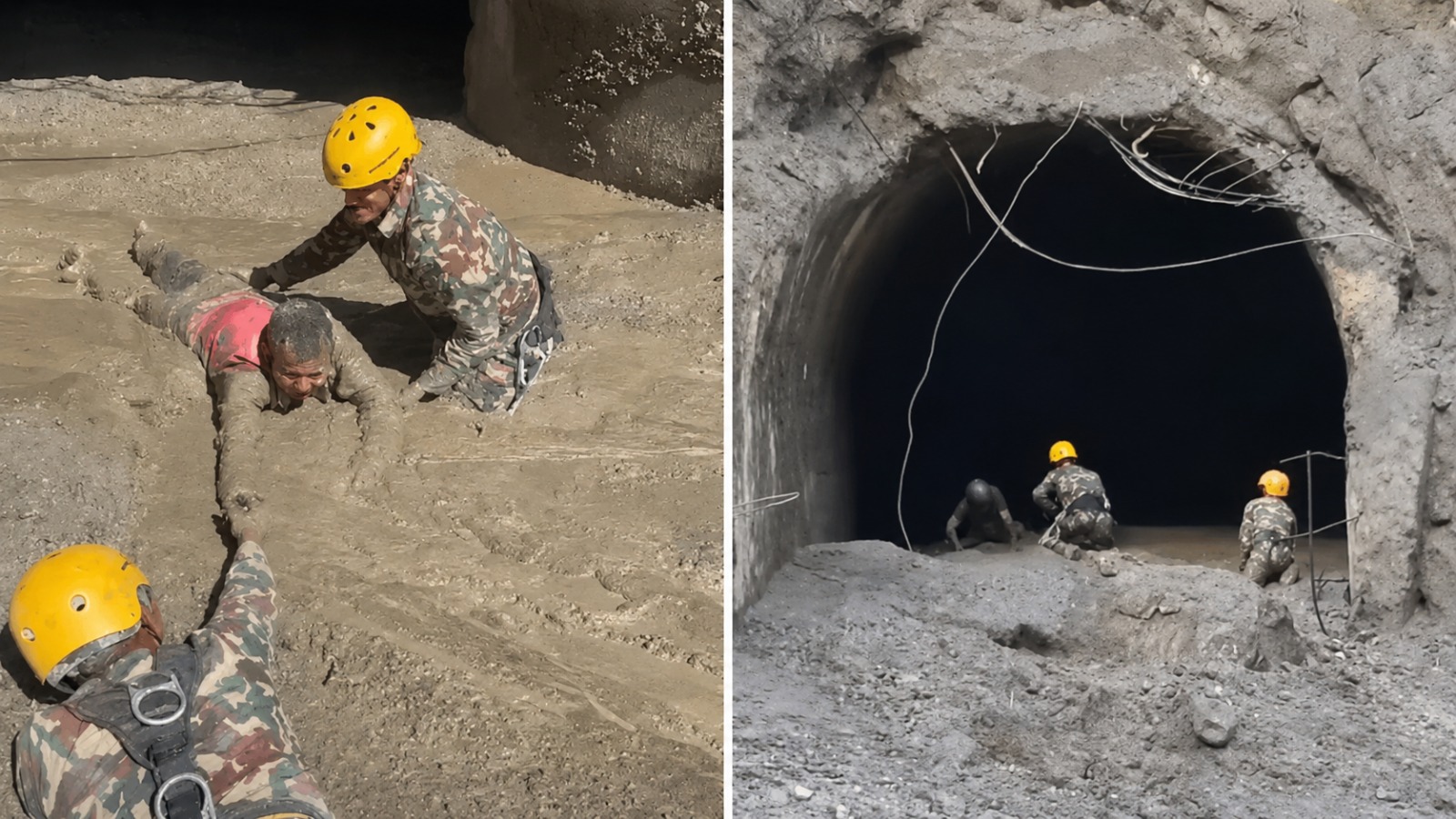
You can be walking on dry sand under bright sunlight, and minutes later, a wall of churning water, mud, and debris barrels down the canyon at highway speeds. There's no time to climb out once the torrent starts. The walls are too slick, and the current is too strong.
Park rangers deal with this hazard constantly, yet visitors routinely underestimate the reach of distant storms. Weather forecasts for the canyon floor often mean very little. You have to watch the weather fifty miles upstream.
Why Rescue Operations Fail in Severe Weather
Finding missing people in a massive canyon during active severe weather is a logistical nightmare. Helicopters can't fly safely through high winds, heavy rain, and zero-visibility cloud cover. Ground crews have to navigate treacherous, washed-out trails while risking their own lives against secondary flash floods.
Communication lines drop out. Remote terrain prevents rapid deployment of heavy search equipment. When fifteen people are missing across rugged backcountry zones, search and rescue teams have to triage dangerous terrain on foot. Every hour spent waiting for weather to clear drops survival odds for anyone trapped in debris piles or clinging to canyon walls.
How to Protect Yourself When Monsoons Hit
If you're planning a trip to Arizona during storm season, throw out your normal hiking assumptions. You need a completely different strategy to stay alive.
- Check regional radar, not local forecasts. Look at weather patterns across the entire upper basin before stepping foot near a wash.
- Never camp in a wash or dry riverbed. Move your tent to high ground, even if the night looks completely clear.
- Know your escape routes. Identify high-scaling points along your route before you need them.
- Heed flash flood warnings immediately. If a warning is issued, get to high ground and stay there until park officials give the all-clear.
The desert is indifferent to your itinerary. Respect the water, watch the sky miles away, and never assume you have time to outrun a wall of mud.
Check current park alerts, monitor the National Weather Service closely, and postpone your backcountry trip if severe thunderstorms are anywhere near the region.