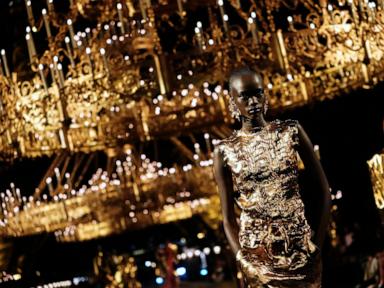
Paris Fashion Week arrived under a darkening economic cloud, carrying the heavy burden of an industry reckoning with declining global demand. Luxury conglomerates have spent the past year watching revenue curves flatten after years of unstoppable pandemic-era surges. The antidote deployed across the French capital involved sensory overload: high-voltage celebrity appearances featuring Jennifer Lopez, an abundance of gold lamé, and aggressively sheer silhouettes that dominated the runways. Yet beneath the spectacle of celebrity gravity and exposed skin lies a much more sober financial reality. This was not a celebration of artistic freedom. It was a calculated distraction.
For months, boardrooms from Milan to Avenue Montaigne have whispered about inventory pileups and cooling consumer spending in key markets. High-net-worth buyers are tightening their wallets. Aspirations-driven shoppers have pulled back entirely. When the economic fundamentals of the luxury sector begin to fracture, creative directors are handed a clear mandate. Make noise. Generate algorithmic impressions. Force the fashion cycle back into the cultural conversation by any means necessary.
The formula relied heavily on star power. Jennifer Lopez commands a media footprint that traditional advertising budgets simply cannot buy. When front-row placements are engineered specifically to generate viral video snippets across TikTok and Instagram, the collection itself becomes secondary to the digital footprint. This is the new architecture of high-end visibility. A dress made of gossamer-thin mesh or plunging gold hardware guarantees immediate social media penetration. It sparks debate on morning talk shows and fuels digital forums.
However, virality does not automatically translate to commercial health. The garments generating the loudest applause in Paris often represent the smallest fraction of actual retail revenue. Ready-to-wear collections rely on core categories like tailored coats, structured handbags, and everyday footwear to keep factories running and profit margins intact. Skimpy eveningwear and metallic theatricality serve as marketing vehicles designed to pull consumers into the ecosystem where they ultimately purchase entry-level accessories, perfumes, and cosmetics.
The reliance on flash over substance points to an underlying vulnerability. When the macroeconomic environment grows volatile, brands typically double down on heritage and timeless design. The pivot toward extreme glamour and shock value suggests that traditional prestige is losing its grip on a younger, hyper-distracted demographic. Consumers want entertainment. They demand immediate dopamine hits from their favorite houses. Designers obliged by turning the runway into a theatrical stage show, trading quiet luxury for high-decibel performance art.
Gold emerged as the dominant visual motif because it carries psychological weight. It symbolizes wealth, resilience, and permanence during uncertain times. Designers draped models in molten metals and heavy embroidery, attempting to project invulnerability against a backdrop of rising inflation and geopolitical instability. It was an aesthetic armor. If the luxury market was bruising, the clothes needed to look indestructible.
Simultaneously, the widespread embrace of sheer fabrics and exposed bodies pushed the boundaries of red-carpet styling. This was not merely about provocation for its own sake. It was an aggressive bid for cultural dominance. In an era where attention spans are measured in seconds, subtlety is a commercial liability. If a garment cannot stop a user mid-scroll, it fails the modern market test.
Behind the flashbulbs and the orchestrated chaos, merchandising executives face difficult choices ahead of the upcoming retail season. Orders placed by international department stores and boutique buyers reveal a cautious approach. Wholesale accounts are trimming their budgets, demanding proven commercial winners rather than experimental runway pieces. The theatricality seen in Paris remains safely sequestered to the upper echelons of editorial exposure.
The disconnect between runway spectacle and retail reality highlights a transitional phase for the entire sector. Houses that rely solely on shock value risk alienating the loyal clientele who fund their operations year-round. Conversely, brands that fail to capture cultural imagination risk slipping into irrelevance. Paris Fashion Week delivered the sensory distraction it desperately needed to mask a bruising financial cycle. The true test begins when the spotlights fade, the celebrity entourages depart, and the sales floor must perform.


