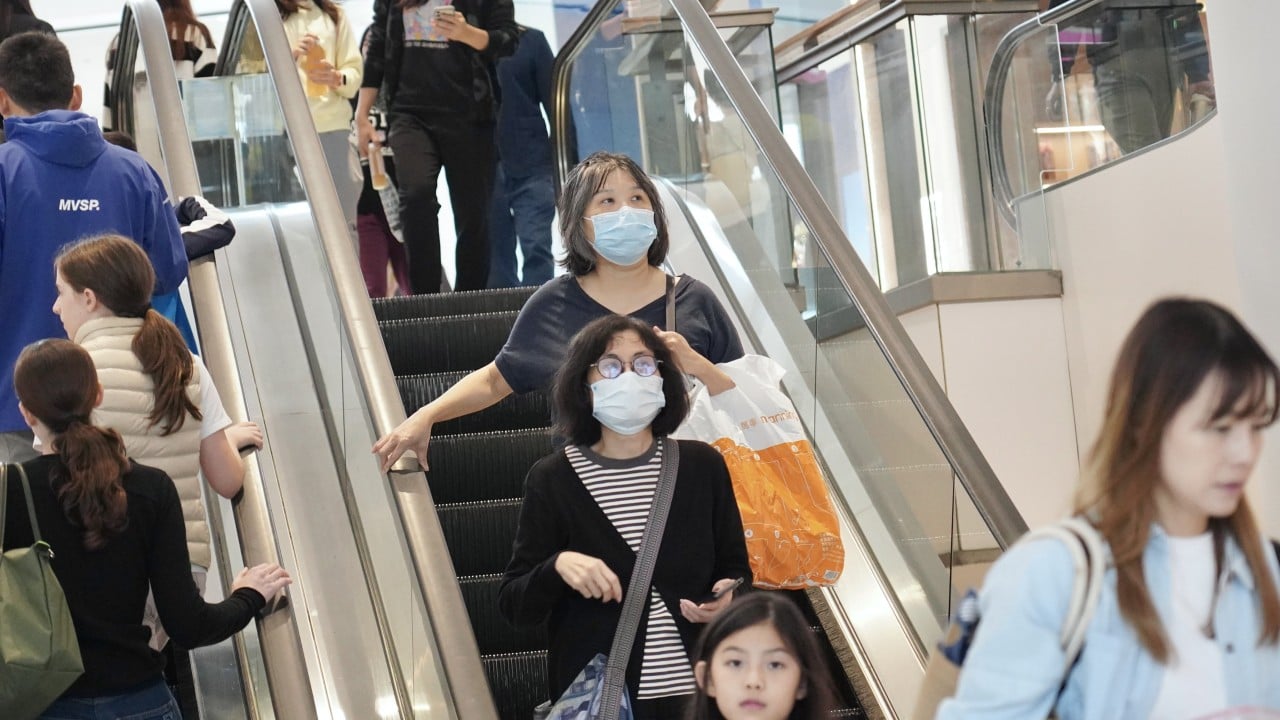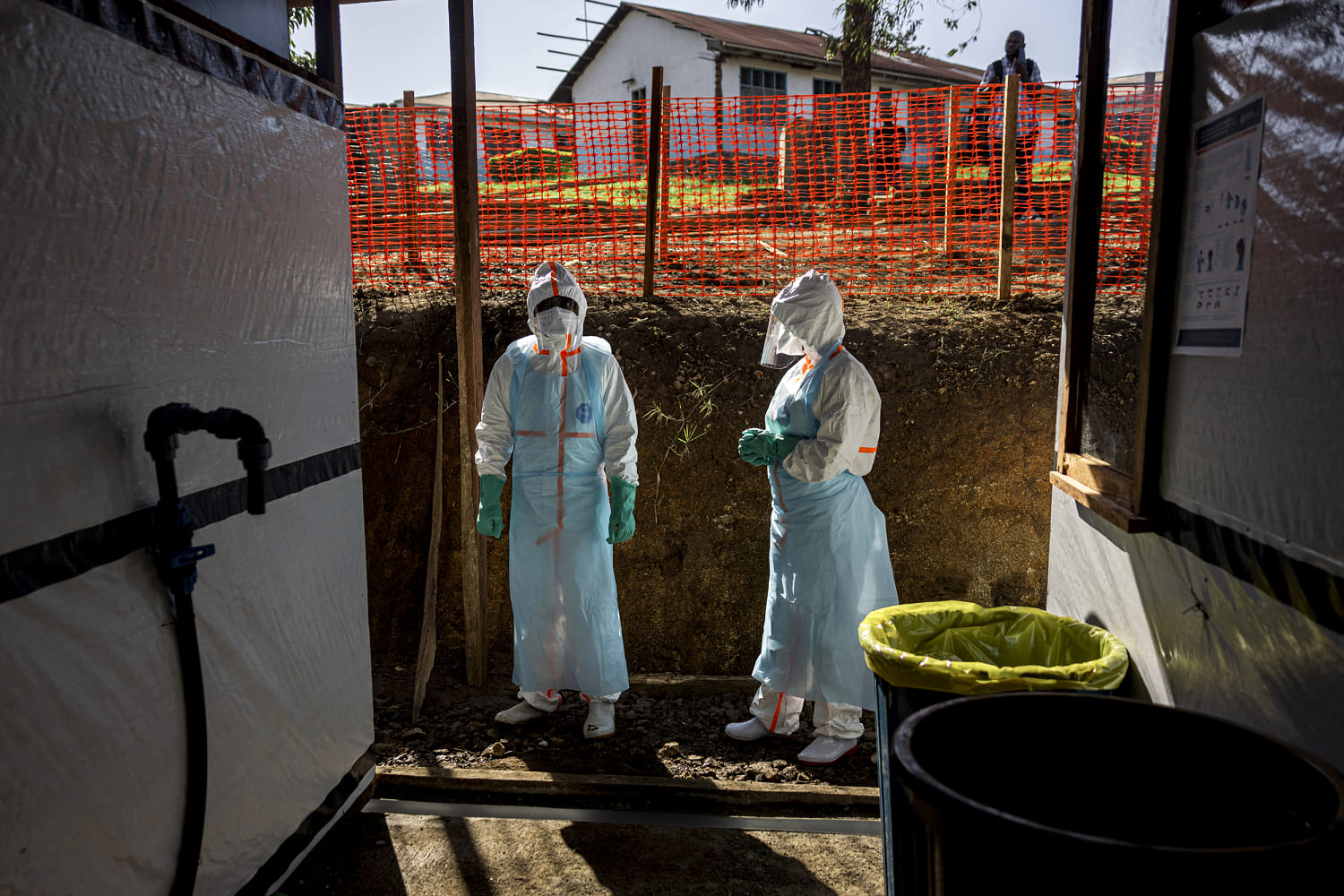
The international transport network moves faster than the incubation period of almost any deadly virus. Washington just sent a blunt reminder to European health authorities about exactly how fragile this network is. With the World Cup drawing millions of fans across borders, American health officials are warning European counterparts to tighten up Ebola screening protocols.
It is a warning born out of hard lessons. When massive crowds converge on stadiums, bars, and transit hubs, a single undetected case can trigger an international tracking nightmare.
But let us be completely honest about what usually happens. Most border health checks are little more than public relations stunts. Checking temperatures at an arrival gate looks great on the evening news. It rarely catches a virus. If Europe wants to prevent a major health crisis during the tournament, it needs to shift from security theater to actual, data-driven medical surveillance.
The Reality Behind the U.S. Ebola Warning to Europe
The U.S. Centers for Disease Control and Prevention and the Department of Homeland Security look at global travel data with obsessive detail. They know where people fly. They know where outbreaks start. The current concern stems from active transmission zones in regions that heavily frequent European transit hubs.
When fans book flights for the World Cup, they do not just fly point-to-point. They connect through London, Paris, Frankfurt, and Brussels. The United States has a direct interest in what happens at these European checkpoints. If a virus slips into the European Schengen zone, it is only a matter of hours before it boards a flight to New York, Atlanta, or Los Angeles.
Ebola is not airborne. That is the good news. It requires direct contact with bodily fluids. The bad news is that its early symptoms look exactly like a common flu or malaria. A traveler can board a plane with a mild headache, pass through a thermal scanner unnoticed, and crash into severe illness three days later while sitting in a stadium packed with 80,000 people.
Why Traditional Airport Screening Fails Every Time
During the West African Ebola outbreak of 2014 to 2016, and the subsequent outbreaks in the Democratic Republic of Congo, global airports spent millions on thermal cameras. They checked millions of passengers. They caught almost no one with Ebola.
Think about the math of a fever. Anyone can swallow a couple of ibuprofen tablets before landing to artificially lower their temperature. On the flip side, running through a terminal to catch a tight connection raises your core body temperature. This triggers false positives. Aircrew get frustrated, health workers get fatigued, and the lines get longer.
True border biosecurity is about information, not infrared cameras.
Effective screening relies on rigorous visual assessment and honest traveler history. It requires trained medical personnel at the gates who know how to spot the subtle signs of early-stage hemorrhagic fevers. It means asking specific questions about where a traveler spent the last 21 days. The incubation period for Ebola is three weeks. Someone who looks perfectly healthy today could be a vector next week.
The Nightmare of Stadium Contact Tracing
Imagine trying to track down every person who sat within ten rows of an infected individual during a World Cup match. It is an impossible task.
Public health agencies use contact tracing to contain outbreaks. They find the patient, map their movements, and isolate anyone they touched. In a standard neighborhood, this is difficult. In a massive sports stadium filled with tourists from fifty different countries, it is a fantasy.
People move constantly. They buy food, use public restrooms, scream, high-five strangers, and squeeze onto packed subway cars after the final whistle. By the time a patient tests positive in a local hospital, the people they stood next to during the match might already be on flights back to their home countries.
This is why the U.S. pressure on Europe is so intense right now. The containment must happen at the point of entry. Once an infected person enters the general population of a host city, the virus holds all the cards.
What Europe Must Do Right Now
European nations cannot rely on standard border control queues to handle this risk. They need to deploy a specific, aggressive strategy before the first match kicks off.
First, health authorities must establish dedicated isolation zones inside major airports. If a passenger flags as high-risk based on their travel history, they cannot sit in a general waiting area for three hours while bureaucrats figure out what to do. They need immediate medical isolation and rapid diagnostic testing.
Second, digital health declarations must have teeth. Most digital forms are a joke. Travelers check boxes blindly without reading them. Airlines need to verify travel history at the point of departure, checking passport stamps rather than just relying on self-reported apps.
Finally, hospital systems in host cities need immediate training updates. Emergency room doctors in Western Europe rarely see cases of Ebola. They might mistake early symptoms for standard travel fatigue or gastric distress. Hospitals need to screen every single patient for recent international travel history before they even sit down in a crowded waiting room.
We have the tools to prevent a major outbreak during global events. We just have to stop relying on cheap tricks that only serve to make anxious travelers feel safer. True health security is tedious, intrusive, and expensive. But it is vastly preferable to dealing with an outbreak in the middle of the world’s biggest sporting event.