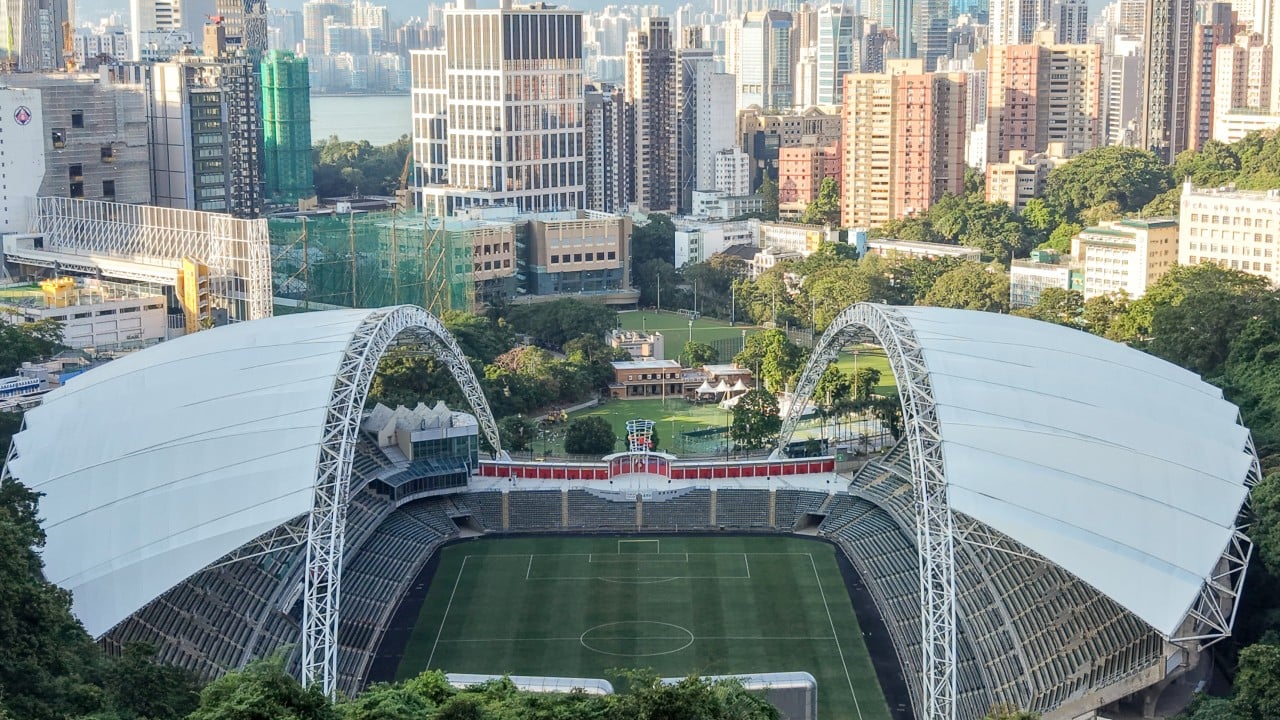
The rain over Manchester always seems to carry a specific weight, a heavy, slate-colored dampness that clings to brickwork and seeps through the collars of supporters outside the stadium. On a Tuesday night in October, outside the Etihad, that dampness felt different. It felt like standing on the edge of a frozen lake, listening to the ice groan underneath your boots.
Inside the boardroom, the atmosphere was altogether more insulated. Leather chairs, polished walnut, the quiet hum of climate control. But the paperwork resting on the mahogany desk did not care about leather or climate control. It was a legal earthquake rendered in double-spaced Times New Roman, and its tremor lines stretched from the banks of the Mersey to the manicured lawns of leafy Surrey, where executives at rival clubs stared at their phones in silence.
We have spent decades treating the Premier League as an unshakeable cathedral. We built it out of television rights worth billions, global fanbases that span from Seoul to Seattle, and a relentless, neon-lit narrative that this was the greatest show on earth. It was a closed loop of perpetual motion. Money went in, superstars came out, trophies were lifted, and the machine grew larger.
Then came the Manchester City associated party transactions ruling.
To reduce this moment to a dry dispute over sponsorship valuation or corporate governance is to miss the entire human drama unfolding beneath the gloss. This was never just about whether a club could inflate a commercial deal with a state-backed airline. This was about the fundamental social contract of a sport that belongs to the people who sing in the rain, yet is owned and operated by forces entirely beyond their comprehension.
Consider a hypothetical supporter named Dave. Dave has held a season ticket at an unfashionable top-flight club for twenty-eight years. He remembers the cold concrete of the old stands, the smell of Bovril on a freezing afternoon, the absolute certainty that his club’s fate was tied to the communal heartbeat of his neighborhood. When Dave watches modern football, he does not see a game anymore. He sees a high-stakes poker match played with other people’s sovereignty.
When the arbitration panel delivered its verdict on the Premier League's Associated Party Transaction (APT) rules, declaring parts of them unlawful, they did not just rewrite legal precedents. They exposed the fault lines of a sport divided into two distinct realities. On one side stand the state-backed behemoths, entities with limitless horizons and balance sheets backed by sovereign wealth. On the other stand the historic institutions, proud and cornered, watching their historical advantages erode under a tide of capital they cannot match.
The ruling found that the league's regulations—designed explicitly to stop clubs from inflating sponsorship deals with related parties—were procedurally unfair and discriminatory in how they treated shareholder loans. Suddenly, the rules of the playground were declared illegal by an independent tribunal. And chaos did not arrive with a dramatic crash. It arrived as a whisper in a lawyer's office, spreading outward until every director of football in the country realized they were standing on shifting sand.
Why does this matter to Dave? Why should a fan worrying about mortgage payments care about the legal nuances of commercial regulation?
Because the rules are the only thing keeping the illusion of competition alive.
When financial regulations fracture, the league loses its structural integrity. If a club can bend the financial architecture to suit its ambitions, the gap between the apex predators and the rest turns from a chasm into an abyss. You stop watching a sport; you watch an exhibition of financial might where the ending is written before the first whistle blows.
The chaos currently consuming the Premier League is not merely administrative. It is existential.
For years, the league functioned on an unspoken agreement: everyone submits to a collective authority in exchange for collective prosperity. The broadcast revenue kept the minnows alive, while the giants chased European glory. But when Manchester City challenged the league and won key elements of their legal challenge, that collective authority fractured. Trust is an extraordinarily fragile commodity in football. Once broken, you cannot patch it back together with a press release or a revised handbook.
Now, every upcoming vote carries the threat of a veto, every sponsorship deal is viewed through a magnifying glass of suspicion, and the threat of breakaway leagues or independent regulatory bodies looms larger than ever. The government's proposed Independent Football Regulator suddenly looks less like an intrusive bureaucratic headache and more like the only adult left in a room full of squabbling billionaires.
The boardroom doors at the Premier League headquarters are closed again. The lawyers are drafting briefs for the next round of arbitration. The legal fees are climbing into figures that could fund community football programs for a generation.
Outside, the rain keeps falling over Manchester. The floodlights cast long, sharp shadows across the empty pitch. Next weekend, fifty thousand people will file through the turnstiles, singing songs their grandfathers taught them, desperate to believe that what happens on the grass still matters.
And for ninety minutes, as the ball hits the back of the net, they will succeed. But the glass house has a crack in the foundation now, and everyone inside can hear the ice beginning to fracture.