The bottle lived on the second shelf from the bottom, behind the spare cereal bowls and next to a half-empty jar of honey that had long since crystallized into amber glass. It was quiet there. It did not rattle when the cupboard door swung open. It waited.
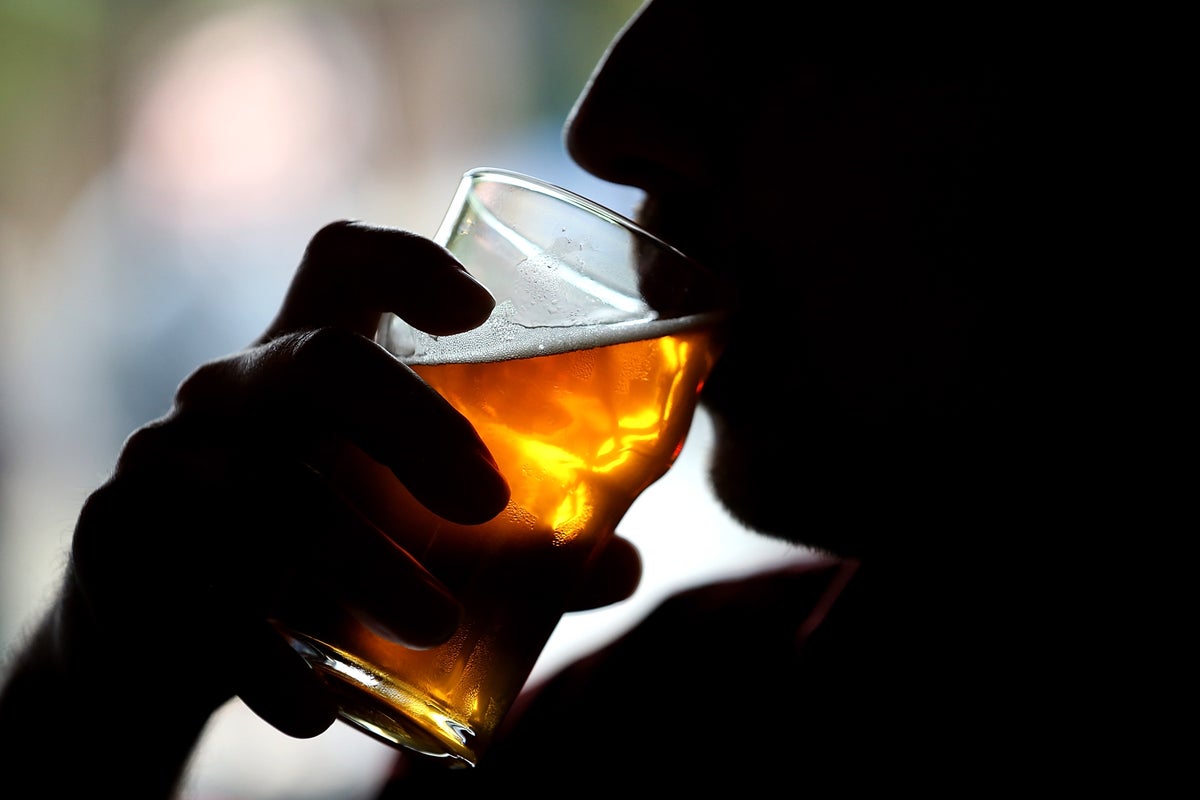
Most evenings began with a negotiation. The terms were always the same: just one finger of amber liquid to soften the edges of a Tuesday, a small reward for surviving emails, traffic, and the persistent hum of low-grade anxiety that shadowed the commute home. But Tuesday bled into Wednesday, and a single finger became two, and two became an invisible anchor dragging against the bottom of the night. By midnight, the negotiation had failed entirely.
Millions of people know this negotiation intimately. It is a private theater of compromise played out in kitchens across the world, illuminated only by the cold blue light of a refrigerator door. We talk endlessly about willpower as if it were a muscle that simply needed more time at the gym. We treat heavy drinking as a failure of character, a moral slip in an otherwise orderly life. Yet anyone who has stared into the bottom of a glass looking for an exit knows the truth. Willpower alone is a frail weapon against a brain wired to crave relief.
The biology of that craving is ancient and relentless. When alcohol enters the system, it floods the neural pathways with dopamine, the brain's currency of reward and anticipation. For some, that flood is a gentle wave; for others, it is a tidal force that rewrites the circuitry of desire. The brain learns to associate the pour, the clink of ice, and the first sip with survival itself. It treats the desire for a drink not as a choice, but as an urgent biological demand, right alongside hunger and thirst.
For decades, medical science offered blunt instruments to counter this machinery. We had talk therapy, which required a clear head to untangle the very knots that drinking had tied. We had older medications with side effects that acted more like deterrents than treatments, introducing a heavy dose of nausea into an already fragile existence. The medical community watched people slip through the cracks of these options, trapped between the desire to change and the biological prison of their own neurochemistry.
Then came a quiet revolution from an unexpected corner of medicine.
Researchers looking at medications designed to regulate blood sugar and curb appetite began noticing a strange side effect among their clinical trial participants. People taking GLP-1 receptor agonists—drugs like semaglutide and tirzepatide, widely known for managing diabetes and inducing weight loss—were reporting a curious phenomenon. They were walking past bakeries and feeling nothing. They were opening bags of potato chips and losing interest halfway through a single handful.
And, crucially, they were ordering club soda instead of wine.
To understand why a medication targeting metabolic hormones could quiet the urge for alcohol, you have to look deep inside the brain's control center. The hypothalamus and the mesolimbic reward pathway are not isolated fiefdoms; they share a dense network of communication channels. GLP-1 receptors are scattered abundantly throughout these regions. When these receptors are activated by medication, they act like a dimmer switch on the brain's reward circuits.
Imagine walking through a bustling marketplace where dozens of vendors are shouting at you all at once, each one holding up a bottle, a snack, a cigarette, or a quick dopamine fix. That constant, deafening roar is the unmedicated brain under the influence of chronic cravings. Now imagine someone walking through that same market with industrial noise-canceling headphones. The shouting doesn't vanish entirely, but it recedes into a dull, manageable murmur.
That is what a GLP-1 pill appears to do for alcohol use disorder. It does not erase the memory of a drink, nor does it force sobriety upon an unwilling mind. Instead, it lowers the volume on the obsessive chatter of craving. It gives a person just enough breathing room to pause between the impulse and the action.
Recent clinical findings examining these oral GLP-1 formulations have begun to map out this reality with hard data. In studies tracking adults struggling with heavy drinking patterns, participants taking these medications showed significant reductions in total alcohol consumption and heavy drinking days compared to control groups. The physical compulsion began to fray at the edges. The glass stopped calling quite so loudly from the cupboard.
Of course, science is rarely a straightforward fairy tale. These medications come with their own set of considerations, from gastrointestinal adjustments to questions about long-term use and accessibility. They are not a magical eraser for the complex emotional landscapes, traumas, and social triggers that so often entangle themselves with alcohol dependency. A pill can quiet a neural pathway, but it cannot mend a broken heart or rewrite a difficult past.
Yet, for millions trapped in the exhausting cycle of heavy drinking, the arrival of these therapies represents something far more valuable than a new prescription. It represents a shift in how we understand the human condition.
For generations, society told those struggling with alcohol that they simply needed to try harder, care more, and fight better against their own biology. We placed the entire burden of recovery on the conscious mind, ignoring the physical architecture of the brain beneath it. By showing that a metabolic pathway can alter the trajectory of addiction, research is beginning to lift a massive weight of shame off the shoulders of those who need it most.
The bottle on the second shelf from the bottom does not have to be an enemy to be feared or a monument to a daily defeat. It can simply be an object.
Consider the quiet power of an ordinary Tuesday evening where the kitchen is dark, the refrigerator door remains closed, and the mind is clear enough to notice the sound of the wind moving through the trees outside. There is no grand fanfare in that moment. There is only the sudden, unfamiliar grace of silence where the noise used to be.