Smoke clings to your coat hours after you leave. It is not an ordinary kitchen smell. It is pine needles charred over open embers, fermented plums buried in damp earth, and the sharp, ancient tang of black garlic aged until it turns to obsidian paste. For twenty years, that sensory signature belonged to one man. René Redzepi built a temple out of foraged moss and scavenged ants, convincing the world that the most radical luxury on earth was eating a frozen layer of Baltic sea duck brains.
Now, the kitchen door swings open, and he is not standing at the pass.
We tend to treat restaurants like plays. The director leaves, the curtain falls, the lights go out. We assume the magic is tethered to a heartbeat, to the specific nervous twitch of a genius chef screaming orders in Danish. But food is not just a performance. It is architecture. It is an instruction manual passed down through scorched hands and blistered fingers.
Imagine walking into that glass-walled dining room on the edge of the Copenhagen harbor today. The light hits the water at the exact same oblique angle. The servers still move with the silent grace of ballet dancers who happen to carry plates of roasted reindeer heart. But the air feels different. Lighter. Or perhaps heavier, burdened by the terrible, beautiful weight of continuation.
Redzepi is stepping back. The man who redefined global gastronomy by turning moss and mold into high art is handing the keys to the kingdom to the people who sharpened his knives.
To understand why this matters, you have to look backward. When Noma first opened its doors in a derelict waterfront warehouse in 2003, the fine dining world was obsessed with French technique, pristine Spanish foams, and ingredients flown in from miles away. Redzepi looked out his window at the freezing, gray Nordic sea and decided to find beauty in the barren. He forced critics to chew on live ants. He made lichen taste like the forest floor after a torrential downpour. He won the title of the world's best restaurant four times, not by giving people what they wanted, but by shifting the axis of what food could taste like.
Success, however, has a dark kitchen.
The pressure inside those walls was legendary. Stories leaked out about the psychological toll of perfectionism, the grueling hours demanded of unpaid or underpaid interns, the sheer, crushing intensity of striving for three Michelin stars while reinventing the culinary wheel every single season. Excellence is a demanding master. It consumes the people who serve it.
By stepping away from the daily helm, Redzepi is acknowledging a fundamental truth of human enterprise. No single ego can sustain an institution forever without crushing it under its own weight.
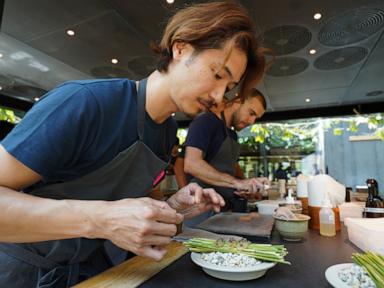
The transition is not a sudden abandonment. It is a calculated evolution. The restaurant is reopening its doors with a new leadership structure, placing the daily operations into the hands of longtime collaborators who have breathed the same smoke and scrubbed the same stainless steel tables. These are cooks who know how to extract umami from roasted chicken wings and sea urchin shells without needing a single word of direction.
Consider what happens next. The menu will likely retain its obsession with hyper-local foraging, fermentation, and the strict seasonality of the Scandinavian landscape. The ants will still crawl across the plate. The fermented grasshopper paste will still startle the palate. But the ghost of the creator will no longer hover directly over the shoulder of every line cook.
This creates a fascinating psychological tension for the diner. When you fly to Copenhagen, drop thousands of dollars on a tasting menu, and sit down at a wooden table overlooking the harbor, you are buying into a myth. You are paying for the narrative of the suffering artist translated into edible form. Without the artist at the pass, does the food taste different?
Scientifically, no. The salt is measured on the same digital scales. The fermentation chambers hum at the exact same temperature. The cooks trained in the same crucible.
Psychologically, everything changes.
Without the founder acting as a lightning rod for both adoration and critique, the restaurant must prove that it is greater than the sum of its parts. It has to transition from a cult of personality to a permanent institution, much like a great orchestra playing Beethoven after the composer has long since turned to dust. The notes remain on the page, but the breath inside the instruments belongs entirely to the living.
This is the hardest trick in the culinary arts. Most famous restaurants die with their creators or fade into irrelevant tourist traps serving ghost-written menus to people taking photos for their feeds. They become museums of their own past glory. Noma is trying to cheat that gravity. It is attempting to institutionalize avant-garde creativity, turning chaos into a sustainable system.
The fire in the hearth is still burning. The smoke still drifts out over the water, catching the northern wind and carrying it out toward the open sea. Inside, young cooks are plating dishes they invented themselves, using techniques their mentors perfected, stepping into a future that was once unimaginable.
The master is gone. Long live the kitchen.