For decades, Berlin preached a simple gospel. Keep the ledger balanced, avoid excessive debt, and let export power do the heavy lifting. It sounded bulletproof on paper.
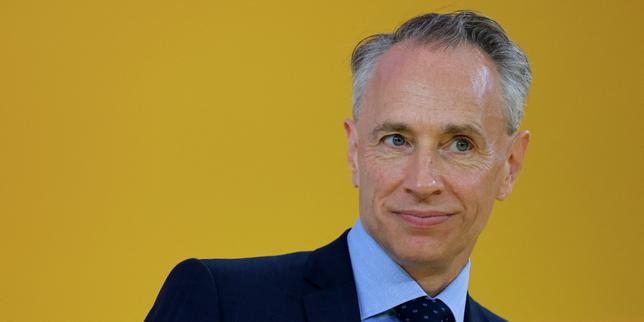
Yet, as top corporate leaders like AXA chief Thomas Buberl have pointed out, that obsession came with a steep hidden price. Germany spent years guarding its public balance sheets with extreme discipline while starving the very foundations that long-term growth relies on. Roads aged, digital infrastructure lagged behind neighbors, and public services began to creak under the weight of chronic underfunding.
When you treat every euro spent on infrastructure as a dangerous cost rather than a vital asset, you aren’t being fiscally responsible. You’re just kicking a massive maintenance bill down the road to the next generation.
The Trap of Fiscal Orthodoxy
Fiscal restraint isn't inherently bad. Debt panic has wrecked plenty of economies. But treating the debt brake (Schuldenbremse) as a permanent badge of honor while bridges crumble and school classrooms lack basic tech is a strategic blind spot.
Germany built its economic miracle on manufacturing muscle, chemical prowess, and precision engineering. Those sectors don't run on good intentions alone. They require reliable rail networks, stable energy grids, and high-speed data connections.
When national budgets focus solely on immediate deficit reduction, capital expenditure is usually the first victim. It is easy to postpone laying fiber-optic cables or upgrading electrical substations because voters don't complain about an invisible cable today. They notice it five years later when factories lose out to more agile competitors abroad.
The Cost of Neglecting Modernization
Look at what happens when an industrial giant refuses to spend on its own renewal. The cracks start small. Permitting processes drag on for years. Digital administration remains stuck in the fax-machine era. Skilled labor finds better tools and faster execution elsewhere.
Buberl’s critique hits home because it highlights a deep cultural reluctance to embrace necessary risk. Financial institutions and industrial conglomerates alike thrive on calculated exposure. If you refuse to invest because the future feels uncertain, you guarantee stagnation.
The obsession with a zero-deficit policy created a false sense of security. Germany looked wealthy and stable on the surface, but its core engine was running on outdated parts.
Where Europe's Powerhouse Goes From Here
Turning this around requires a complete mental shift in how governments view public capital. Money poured into clean energy grids, AI research hubs, and modern transport isn't money wasted. It is the baseline cost of staying relevant in a ruthless global economy.
Berlin is slowly waking up to this reality, but the backlog is immense. Catching up means accepting higher short-term deficits to fund long-term survival.
If you want an economy that actually works for the next thirty years, stop celebrating the savings account while the roof leaks. Pay for the repairs now, or pay a much heavier penalty later.
French-German Leadership Discourse with Thomas Buberl, CEO
This discussion provides valuable context on European economic strategy and the leadership perspectives shaping cross-border industrial investments.