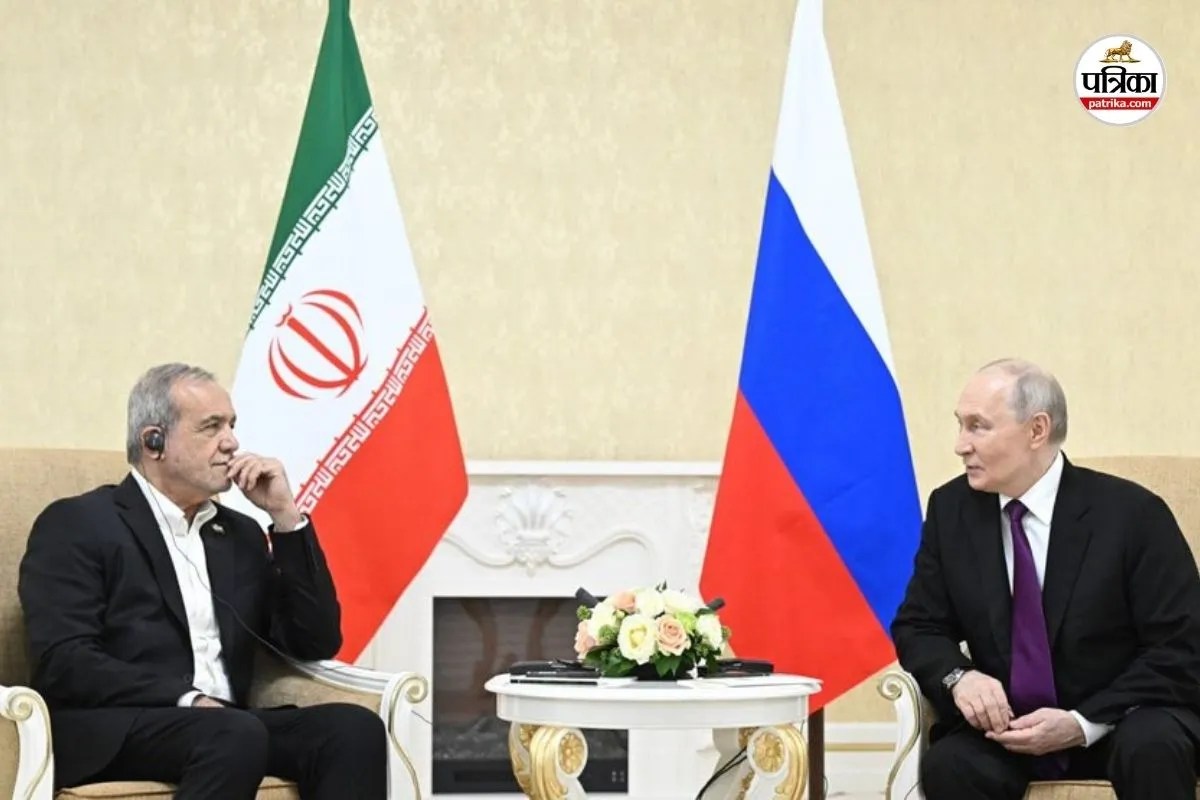
State-level mediation in protracted regional conflicts operates under strict structural constraints. When Russian leadership officially states readiness to facilitate diplomatic resolution in the Middle East following bilateral engagements with Iranian counterparts, analytical assessment must move past superficial diplomatic communiques. The alignment between Moscow and Tehran is not driven by altruistic peacemaking, but by a convergence of defensive and offensive incentives designed to reshape multilateral leverage against Western economic and military dominance.
To understand the mechanics of this diplomatic intervention, one must examine the operational objectives of both states. Russia faces severe resource constraints due to its ongoing campaign in Eastern Europe, yet maintaining a visible diplomatic footprint in West Asia preserves its strategic positioning as an indispensable global arbiter. For Iran, navigating military pressure while keeping communication channels open represents a dual-track strategy: preventing total economic isolation while refusing to concede foundational sovereignty or nuclear capabilities.
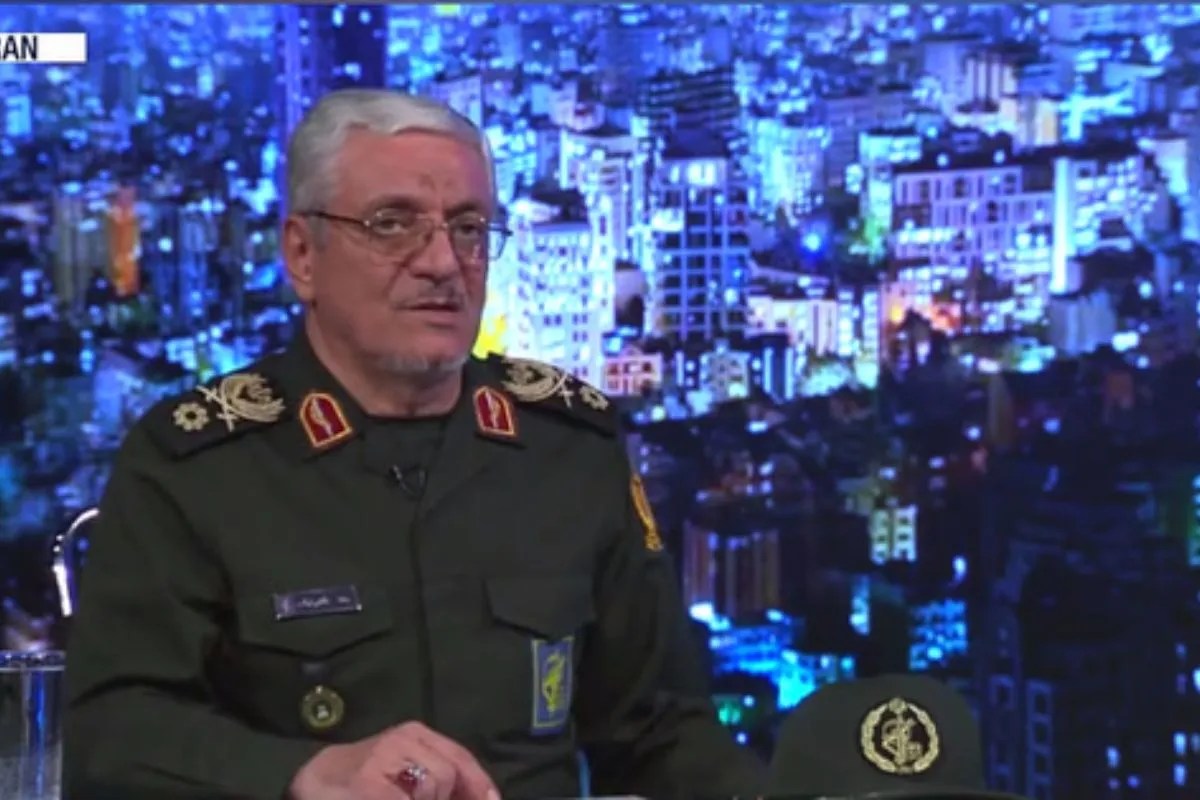
The first structural limitation of the proposed Russian mediation lies in the asymmetry of credibility among the primary adversaries. Tehran continues to articulate a position wherein diplomatic engagement is met with concurrent military friction, creating a fundamental trust deficit that paralyzes preliminary bargaining. When dialogue tables are accompanied by escalating tactical engagements, the incentive structure for compromise collapses. Negotiating parties cannot construct durable frameworks when enforcement mechanisms are absent and the baseline security architecture is actively deteriorating.
The second constraint involves the economic calculus governing bilateral integration between Moscow and Tehran. Security pacts and diplomatic backing are consistently underpinned by deeper institutional coupling, including expanded energy trade, transit corridors, and financial messaging workarounds designed to bypass sanctions regimes. By positioning itself as a diplomatic guarantor for Tehran, Moscow secures long-term leverage over key transport and resource nodes, ensuring that any eventual post-conflict reconstruction or stabilization process runs through Russian-approved channels.
Evaluating the efficacy of this diplomatic maneuver requires tracking three distinct variables over the near term. First, the degree to which Moscow can translate generalized offers of assistance into concrete, enforceable cessation frameworks rather than rhetorical solidarity. Second, the internal political threshold in Tehran regarding concessions on regional proxy networks versus direct state security. Third, the reaction function of external actors, particularly Washington and regional Gulf states, who view external mediation by sanctioned powers with institutional skepticism.
Sustainable conflict resolution in West Asia cannot be achieved through opportunistic diplomatic signaling. It requires verifiable de-escalation protocols, synchronized security guarantees, and a neutral enforcement architecture that neither party currently possesses the capital to establish unilaterally. As long as diplomatic overtures serve primarily as tactical instruments for resource preservation rather than foundational concessions, the underlying conflict engine will continue to generate structural instability.
Strategic focus must now pivot toward monitoring whether bilateral consultations between Moscow and Tehran yield concrete multilateral frameworks at international forums, or if these engagements remain bounded within the realm of diplomatic posturing designed solely to alter domestic political narratives.