International diplomatic architecture regarding South Asia is undergoing a structural realignment, characterized less by normative democratization frameworks and more by pragmatic security calculus. When Russian state officials host delegations from the de facto Afghan government alongside regional stakeholders like China, India, Iran, and Pakistan, the primary driver is not ideological convergence. Rather, it represents an exercise in risk mitigation and the assertion of alternative security paradigms in a post-Western Central Asian theater.
The Strategic Motivation Matrix
To understand why Moscow shifted from maintaining a legal ban on the Taliban to formal diplomatic recognition and regularized high-level economic engagement, one must analyze the security utility function. Traditional Western policy focused on conditionality—withholding legitimacy until internal human rights metrics, particularly concerning female education and employment, met international standards. Building on this topic, you can also read: Surviving the Unimaginable A Gaza Mother Bearing Double Loss.
Moscow’s framework operates on a completely different set of variables:
- Counter-Terrorism Imperative: The immediate threat matrix for Russian security involves regional affiliates of the Islamic State, which have demonstrated operational capacity across Central Asia. Because the Taliban functions as the primary domestic security force actively suppressing these factions, external powers calculate that engagement lowers the probability of cross-border spillovers.
- Narcotics Suppression Logic: Historically, Afghanistan served as the primary node for regional opiate flows. Diplomatic and economic integration provides leverage points to encourage continued suppression of illicit crop yields.
- Sanctions Evasion and Economic Expansion: As Western trade restrictions isolate Russia economically, diversifying secondary trade corridors through Central Asia into South Asia becomes an operational priority. Bilateral trade volumes demonstrate this structural pivot, expanding rapidly as Moscow seeks alternative commercial conduits.
Regional Friction Points and Structural Bottlenecks
While multilateral consultations in Moscow are designed to project stability and collective regional management, they simultaneously expose deep structural fractures within the local state system. The most acute vulnerability in these diplomatic frameworks is the bilateral tension between Kabul and Islamabad. Observers at Reuters have shared their thoughts on this trend.
Cross-border security friction, mutual accusations regarding militant safe havens, and border skirmishes create a zero-sum dynamic that neutralizes broad multilateral consensus. When neighboring states prioritize immediate tactical security over regional integration, multilateral forums frequently fail to produce unified joint communiques. The structural limitation of the Moscow format is precisely this: while it brings actors to the negotiating table, it lacks the institutional enforcement mechanisms required to resolve foundational territorial and security disputes between sovereign and de facto entities.
The Diplomatic Precedent of Formal Recognition
By formally removing the Taliban from its list of terrorist organizations and establishing state-to-state recognition, Russia executed a calculated divergence from Western diplomatic orthodoxy. This move established a new precedent for realpolitik engagement: effective territorial control supersedes normative governance models in determining international legitimacy.
This approach shifts the burden of regional stability onto the governing authorities while attempting to bind them into regional economic networks, such as infrastructure and trade agreements championed by visiting delegations. However, this strategy introduces its own risks. Total reliance on a de facto regime without international oversight creates moral hazard, insulating the ruling authority from internal reform pressures while failing to guarantee long-term state durability if domestic economic pressures intensify.
Strategic Outlook
The trajectory of diplomatic engagement with Afghanistan will be determined by the operational success of internal security forces against transnational militant networks and the management of trade corridors like those developing between Moscow and Kabul. Regional powers will continue to prioritize bilateral security arrangements over broad multilateral alignment so long as border disputes remain active. Policymakers must evaluate these developments through the lens of institutional pragmatism rather than normative expectations, recognizing that security cooperation in Central Asia is driven strictly by localized threat containment and economic necessity.
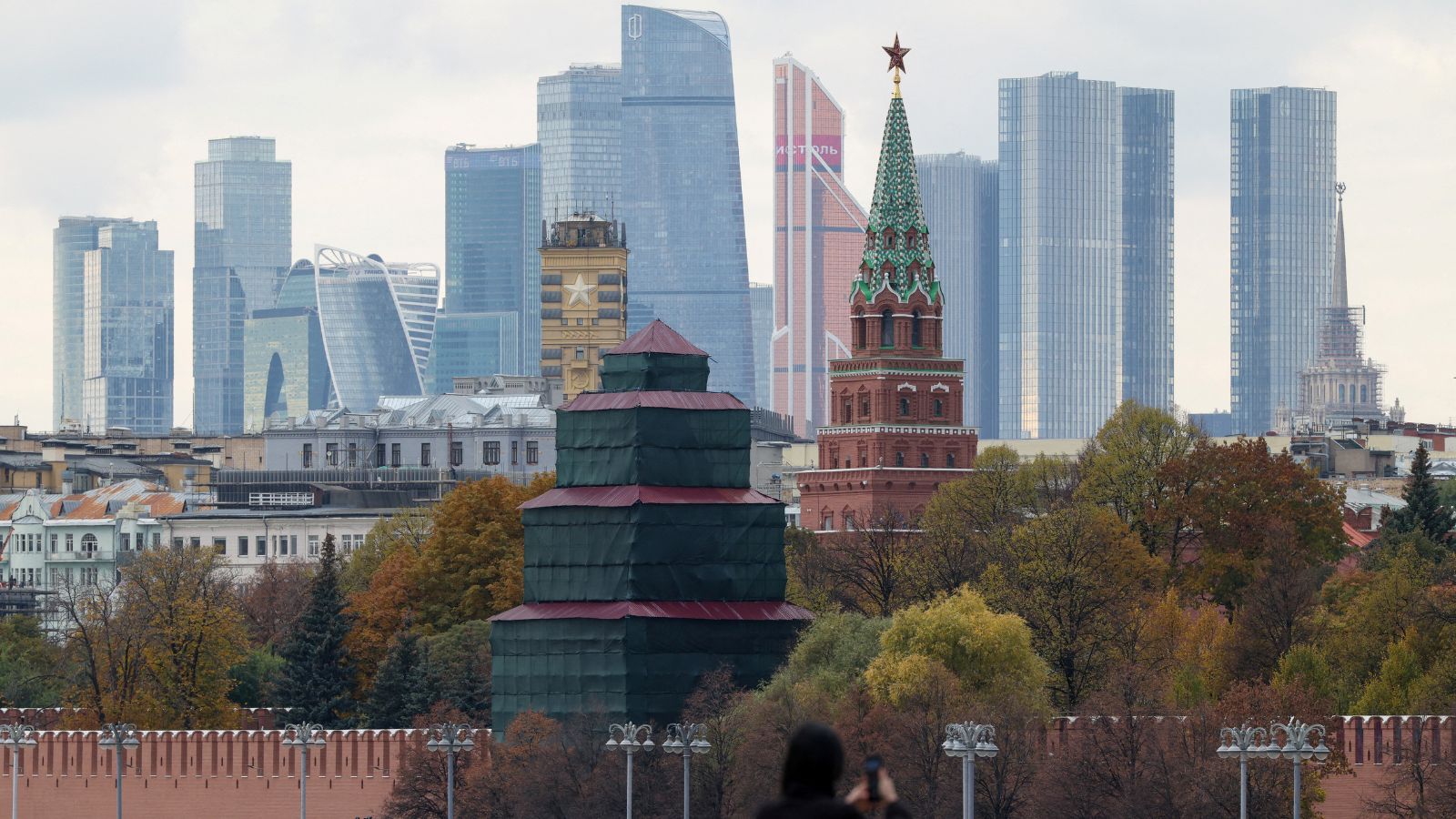
Moscow format consultations on Afghanistan
This footage provides primary visual documentation of the high-level diplomatic sessions in Moscow involving Russian leadership and foreign delegations discussing regional security coordination.