Gen Z doesn't care about your streaming library. For years, the industry assumed that kids born into a world of endless scrolling would be content to stay home, tethered to a Netflix subscription until they died. The data says otherwise. Recent market reports show a massive shift in how young adults spend their entertainment budget, and it isn't on another $20 monthly recurring fee. They’re buying movie tickets. They’re buying popcorn. They're actually leaving their houses.
This isn't a fluke. It's a revolt against the "infinite scroll" fatigue that has made streaming feel like a chore. While older generations might appreciate the convenience of a digital library, Gen Z finds it lonely and sterile. They want an event. They want something they can't pause. Most importantly, they want an experience they can share in person rather than through a Discord screen-share. Building on this idea, you can also read: How The Comeback Handled Its Hardest Goodbye Without Losing Its Soul.
The Myth of Streaming Loyalty
The era of the "Netflix and Chill" monopoly is over. Gen Z has zero brand loyalty when it comes to streaming platforms. They’re the masters of the "churn and burn" strategy. They sign up for a month to binge a specific show—think Stranger Things or The Bear—and then they cancel immediately. They don't feel a need to keep a service active "just in case."
Data from recent consumer surveys highlights a brutal reality for streamers. While Boomers and Gen X might keep a subscription for years out of habit, Gen Z treats these platforms like vending machines. You put the money in, get your snack, and walk away. This lack of stickiness is driving streaming executives crazy because their entire business model relies on predictable monthly revenue. Gen Z just won't give it to them. Observers at The Hollywood Reporter have also weighed in on this situation.
Why should they stay loyal? The content is fragmented. If you want to watch five different shows, you might need four different apps. That's not a service; it's a headache. Young viewers have figured out that it's cheaper and more satisfying to treat streaming as a temporary tool rather than a lifestyle.
Why the Big Screen Still Wins
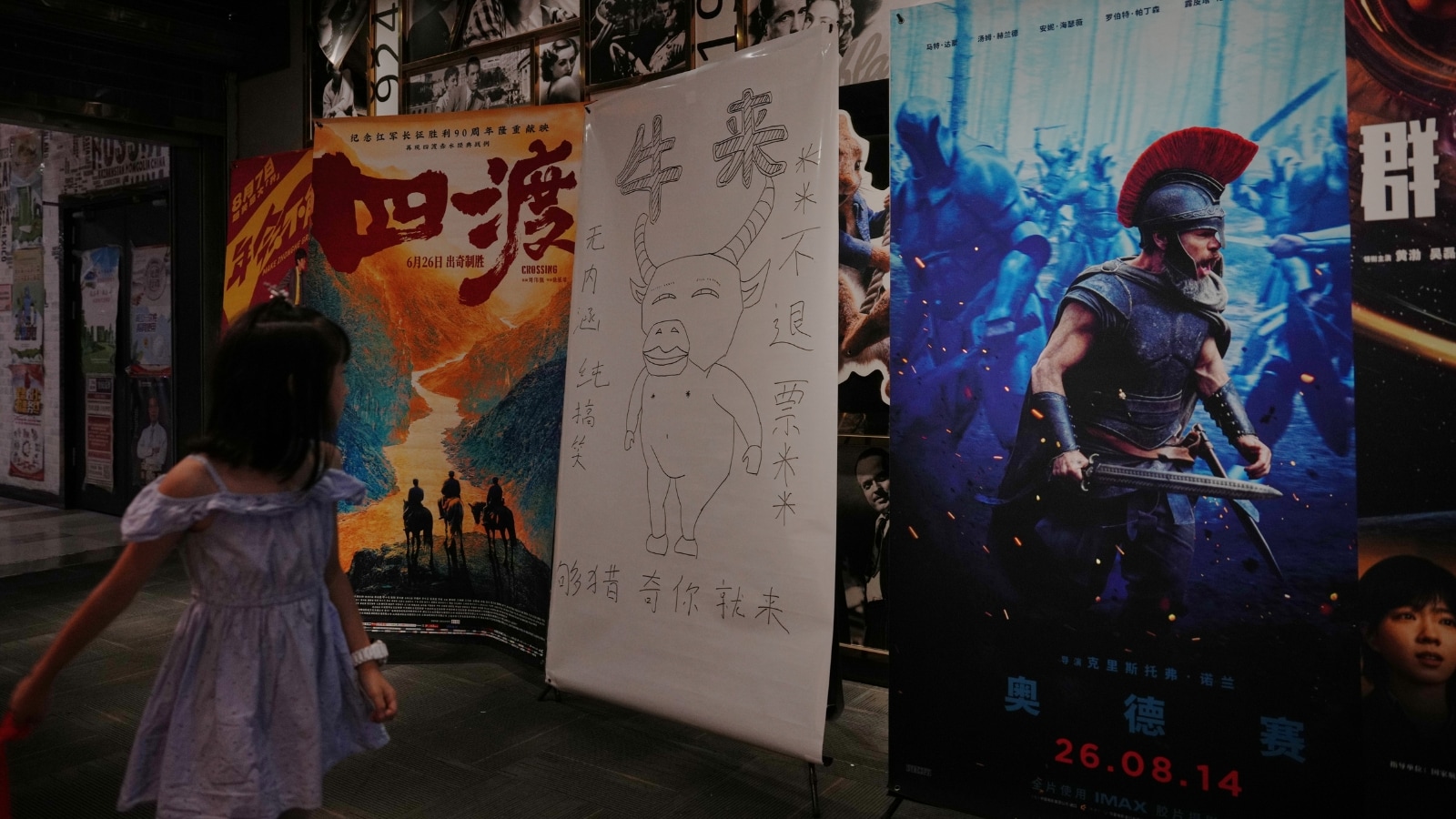
You’d think a generation raised on iPhones would find a 70-foot screen intimidating or unnecessary. It’s the opposite. The movie theater offers something a smartphone can't: total focus.
In a world of constant notifications and "brain rot" short-form video, the cinema is one of the last places where you're forced to put the phone away. Gen Z values that. They’re showing up for blockbusters like Dune or Spider-Man, but they’re also fueling the "Barbenheimer" style cultural moments that streaming simply cannot replicate. You can't dress up in a pink suit to sit on your IKEA couch alone.
The theater provides a sense of community. There’s a specific energy in a room full of strangers reacting to a jump scare or a punchline at the same time. It’s visceral. It makes the movie feel like a milestone. When you watch a movie on a laptop, it’s just content. When you see it at the theater, it’s a memory.
The Cost of Boredom
Streaming prices are climbing. Every few months, another platform announces a price hike or a crackdown on password sharing. For a generation often dealing with entry-level wages and a high cost of living, the value proposition of streaming is tanking.
Let's look at the math. A couple of premium streaming services can easily run you $40 or $50 a month. For that same price, you can go to a high-end cinema, get the IMAX experience, and maybe some overpriced nachos. One feels like a bill. The other feels like a night out.
Gen Z is famously frugal but willing to splurge on "experiences." They’ll skip the $15 monthly sub but drop $30 on a single movie event if it feels "worth it." It’s about the perceived value of the time spent. Sitting at home scrolling through a menu of 5,000 movies you don't want to watch feels like wasting time. Going to a theater feels like an intentional choice.
Social Media and the FOMO Factor
Don't underestimate the power of the "grid." Cinema outings are highly "Instagrammable." The aesthetic of a vintage theater, the neon lights, the popcorn—it all feeds into the visual culture that Gen Z lives in.
Streaming is invisible. You can't really post a cool photo of yourself watching Disney+ in your pajamas for the third night in a row. Well, you can, but it doesn't get the same engagement. The theater is a backdrop for social interaction. It's a place to see and be seen. This social currency is a huge driver for the box office. When a movie becomes a "must-see," the pressure to be part of the conversation drives ticket sales in a way that "trending now" rows on an app just can't match.
Theater Chains Are Finally Learning
For a long time, movie theaters were gross. Sticky floors, stale popcorn, and broken seats were the norm. But the industry has had to evolve to survive the digital onslaught.
Modern theaters are leaning into luxury. We're talking heated recliners, full-service dining, and high-end cocktails. They're turning the cinema into a destination. Gen Z responds to this. They don't just want a movie; they want a premium environment. Chains like AMC and Alamo Drafthouse have figured out that if they provide a better atmosphere than a living room, people will show up.
Specialty screenings are also a massive hit. Whether it’s a Taylor Swift concert film or a 4K restoration of an 80s classic, these events draw younger crowds who want to celebrate their niche interests with like-minded people. It’s about fandom. Fandom lives in the real world, not just in comment sections.
Short Form Content vs Long Form Cinema
There’s a weird paradox happening. Gen Z has the shortest attention spans for mediocre content but the longest for "events." They’ll watch 200 TikToks in an hour, but they’ll also sit through a three-hour epic if it’s visually stunning.
What they hate is the "middle." They hate the six-episode streaming series that should have been a 90-minute movie. They hate the filler. Theater releases usually have a higher bar for quality—or at least for spectacle. If a movie is going to the big screen, there’s an underlying assumption that it’s "important."
Streaming has become a dumping ground for "background noise" content. Gen Z uses it for that—shows they can half-watch while doing something else. But when they want to actually watch something, they look to the cinema.
Breaking the Cycle of Subscription Fatigue
Subscription fatigue is real. We’re all tired of managing a dozen different logins and watching our bank statements bleed out $9.99 at a time. Gen Z is leading the charge in cutting the cord—again.
They’re opting for free, ad-supported services like YouTube or Tubi for their casual viewing and saving their "real" money for the theater. It’s a smarter way to consume. Why pay for a library of 10,000 movies when you only want to see two of them?
This shift forces studios to rethink their strategy. They can't just hide their best work behind a paywall and expect everyone to follow. They have to make movies that are worth the trip to the theater. This "theatrical-first" mentality is actually better for the art form. It puts the focus back on making every frame count.
How to Adapt to the New Entertainment Economy
If you're trying to reach this demographic, stop thinking about "users" and start thinking about "guests." The digital-only approach is failing because it ignores the human need for physical presence.
Focus on the event. If you're a creator or a marketer, you need to understand that Gen Z wants to be part of a moment. They don't want to be a data point in an algorithm. Give them a reason to put on shoes and leave the house.
Stop relying on brand names alone. A big IP isn't enough anymore if the experience of watching it feels cheap or lonely. The theater isn't just a place with a big screen; it's a place where things happen.
Invest in the "IRL" (In Real Life) aspect of your brand. Whether that’s pop-up events, limited screenings, or physical merchandise that feels exclusive, the goal is to break the digital barrier. The future of entertainment isn't in your pocket; it's in the room with you.
The next time someone tells you the movie theater is dead, look at the age of the people in the front row. They aren't there because they have to be. They're there because they want to feel something that a phone can't provide. That’s the most powerful force in the market today.
Don't wait for the next big streaming hit to drop. Go check your local cinema listings and see what's actually drawing a crowd. Notice the energy. Notice the lack of phones. That’s where the real growth is happening.