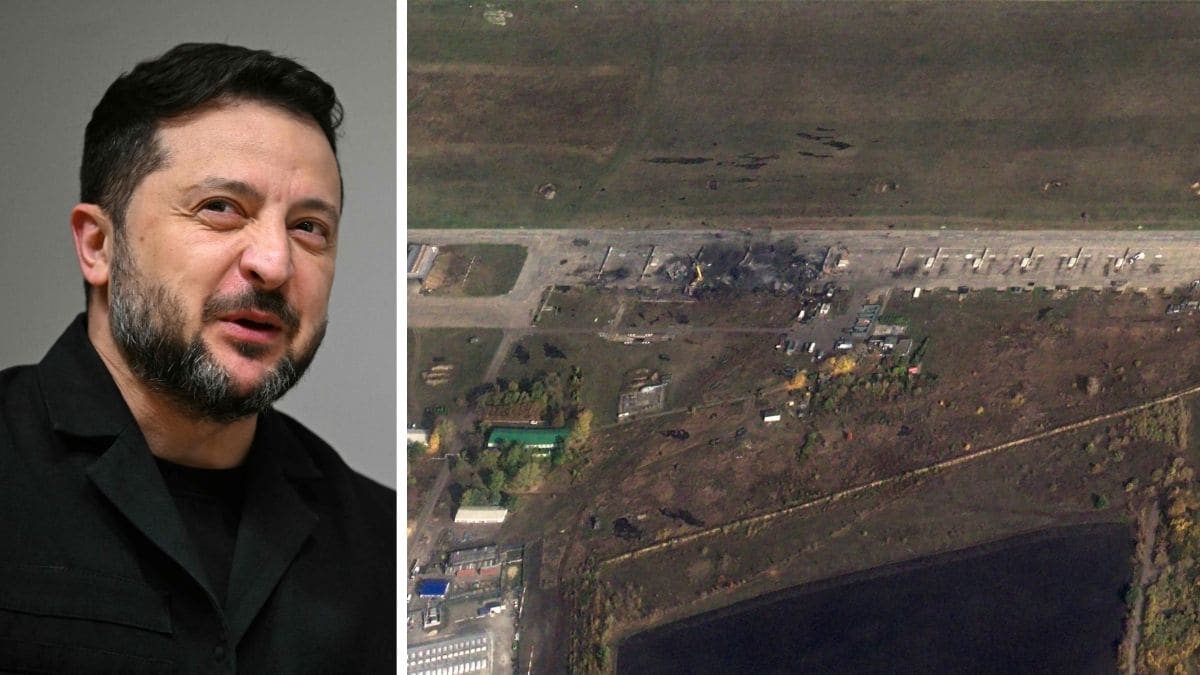
The smoke rising over the Al-Sabaha district west of Sanaa did not mark a shift toward peace. It signaled a cold escalation in a conflict that international capitals prefer to pretend is frozen. When the Saudi-led coalition launched airstrikes targeting oil storage infrastructure controlled by the Houthi movement, the move punctured the fragile illusion of a lasting cessation of hostilities.
For years, diplomatic channels framed the Yemen war as winding down toward a managed stalemate. But beneath the surface-level optimism, a stark structural reality persisted. Neither side relinquished the means or the will to wage economic warfare. When Houthi forces increased cross-border drone and missile launches targeting strategic locations inside Saudi Arabia, Riyadh responded not with defensive posturing alone, but with a calculated campaign against domestic fuel nodes. This dynamic reveals how modern regional conflicts are fought not merely on traditional frontlines, but through the systematic strangulation of logistical networks.
The Anatomy of Dual-Use Targeting
To understand why a fuel depot on the outskirts of an occupied capital becomes a primary military objective, one must look past standard tactical designations. Civilian infrastructure in asymmetric warfare rarely remains strictly civilian. The Al-Sabaha Central Station, operated under the Yemen Petroleum Company, serves a dual function. Administratively, it manages fuel distribution for public use, civilian transport, and basic municipal generators. Operationally, in an environment where centralized state structures have collapsed, these exact distribution nodes supply the transport fleets, communication grids, and logistical corridors utilized by military authorities.
Before the strikes occurred, Houthi officials took the unusual step of publicly declaring that the storage tanks at Al-Sabaha were empty. Whether this was an accurate logistical assessment or a preemptive public relations strategy remains a subject of debate among regional analysts. Yet the public warning itself underscored a psychological chess match. The coalition issued explicit evacuation warnings to civilians living near the hill-perched facility, a procedural acknowledgment designed to mitigate international backlash while signaling that economic assets inside insurgent territory carry a heavy target on their backs.
The Cost of Economic Attrition
Decades of reporting on Middle Eastern security architectures reveal a grim pattern. When conventional military fronts harden into permanent lines, the theater of war shifts upward and inward toward supply chains. Yemen has lived through this reality since 2015, enduring an entrenched humanitarian crisis driven as much by economic blockades and fuel shortages as by direct kinetic engagements.
When fuel storage facilities are struck, the immediate consequence is rarely a sudden collapse of military operations on either side. Instead, the burden shifts immediately to the civilian population. Hospitals, water purification plants, and agricultural transport rely entirely on refined petroleum products to function. By targeting these assets, military planners engage in a protracted war of attrition. The strategy aims to degrade the governing capacity of the authority in control by rendering civil administration functionally impossible.
The Houthi response—consistently threatening and executing long-range strikes against economic and transport hubs inside the Kingdom—follows the exact same logic. By attempting to disrupt operations at key Saudi airports and energy installations, the group seeks to impose a continuous financial and security tax on its adversary, proving that geographic distance does not equal immunity.
The Broader Regional Calculation
This localized escalation does not happen in a vacuum. It interacts directly with wider geopolitical currents involving international shipping lanes, Red Sea security, and shifting postures from Western powers. As long as regional actors calculate that aggressive posture yields better leverage at the negotiating table than diplomatic compromise, infrastructure strikes will remain a primary instrument of statecraft.
The fire at Al-Sabaha was extinguished, but the structural incentives that ignited it remain fully intact. Until the fundamental political architecture of the conflict is addressed, the capital's fuel depots will continue to serve as tactical pawns in a war with no definitive end in sight.
Saudi Arabia strikes oil facility in Yemen capital Sanaa as Houthis up threats provides additional context on the timing and regional fallout of the airstrikes against Houthi-held infrastructure.