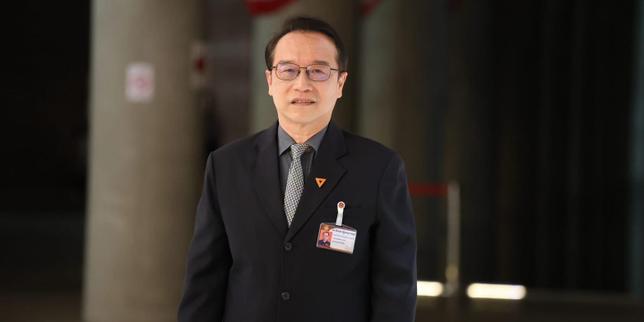
When a journalist and whistleblower has to run for their life because they exposed uncomfortable truths, the countries claiming to champion human rights face a direct test. Right now, France sits at that exact crossroads regarding Ephrem Yalike Ngonzo. If European nations look away when African journalists seek sanctuary after exposing corruption or authoritarian overreach, their lofty speeches about freedom of the press ring hollow.
You rarely hear about the terrifying calculus of being a whistleblower in certain parts of the world. It’s not just a matter of losing a job or facing a smear campaign. It is about midnight knocks, fabricated charges, and the very real threat of physical elimination. Ephrem Yalike Ngonzo stepped across that invisible line by telling stories that powerful actors wanted buried. Now, his safety hangs by a thread, and the diplomatic choices made in Paris carry immense weight.
The Cost of Telling the Truth in the Shadows
We live in a era where information travels instantly, but the people who dig up that information face harsher conditions than ever. Journalism isn't sitting behind a comfortable desk typing press releases. For reporters operating in fragile political landscapes, it involves risking everything to document embezzlement, human rights abuses, and systemic corruption.
When Ephrem Yalike Ngonzo published findings that disrupted the status quo, he knew the risks. What makes his situation urgent is the sheer speed at which state apparatuses can mobilize against a lone reporter. Protection doesn't happen by accident. It requires political will, legal courage, and a refusal to sacrifice human lives for diplomatic convenience.
Too often, foreign policy dictates that governments ignore individual pleas for asylum to preserve trade deals or strategic partnerships. That's a cowardly calculation. Human rights shouldn't be negotiable commodities traded away behind closed doors. France has a long historical narrative tied to liberty and asylum. Living up to that legacy means opening doors for individuals like Ngonzo, whose only crime was refusing to stay silent.
Why Asylum is Not a Favor but an Obligation
People misunderstand what political asylum actually means. It isn't a charitable handout or a stamp of approval given out to win diplomatic brownie points. It is a legal and moral obligation under international frameworks designed to protect people fleeing persecution.
When a journalist is targeted specifically because of their investigative work, they qualify as a refugee under standard definitions. Yet, the bureaucratic machinery of immigration offices often drags its feet, demanding impossible documentation from people who had to flee with only the clothes on their backs.
France has the legal instruments to act swiftly. What's missing isn't the paperwork or the legal framework. It's the urgency. Bureaucracy kills slowly, and for someone hiding from state-backed pursuers, delays can prove fatal. Granting asylum to Ephrem Yalike Ngonzo sends a clear, unambiguous message to authoritarian regimes everywhere: silencing reporters will not be rewarded, and those who risk their lives to expose the truth will find safe harbor.
The Broader Message for Press Freedom
Every time a whistleblower or journalist falls through the cracks, the global press corps grows a little quieter. Self-censorship creeps in. Reporters in dangerous zones think twice before publishing that next investigation because they know that if things go south, no embassy will answer their calls.
Protecting Ngonzo isn't just about one man, as crucial as his safety is. It is about defending the entire ecosystem of independent information. If journalism is a pillar of democracy, then protecting journalists who cross borders to save their lives is maintenance work on that pillar.
Look at how international pressure works. When civil society organizations, legal experts, and citizens rally around a specific case, governments notice. Silence allows backroom deals to happen quietly. Speaking up loud and clear forces the issue out into the open.
What Needs to Happen Next
If you care about free speech, you cannot treat this as a distant news story to scroll past. Writing letters, pressuring representatives, and amplifying the case of Ephrem Yalike Ngonzo matters. Public awareness creates political cost for inaction.
France needs to expedite this asylum request immediately, bypassing the endless red tape that usually traps genuine refugees in limbo for years. The French administration has the authority to step in, recognize the clear and present danger Ngonzo faces, and grant him the protection he desperately needs.
Do not wait for a tragedy to happen before caring. Real solidarity means acting while there is still time to make a difference. Demand that the French authorities honor their own democratic principles and grant Ephrem Yalike Ngonzo the asylum he has more than earned through his courage.