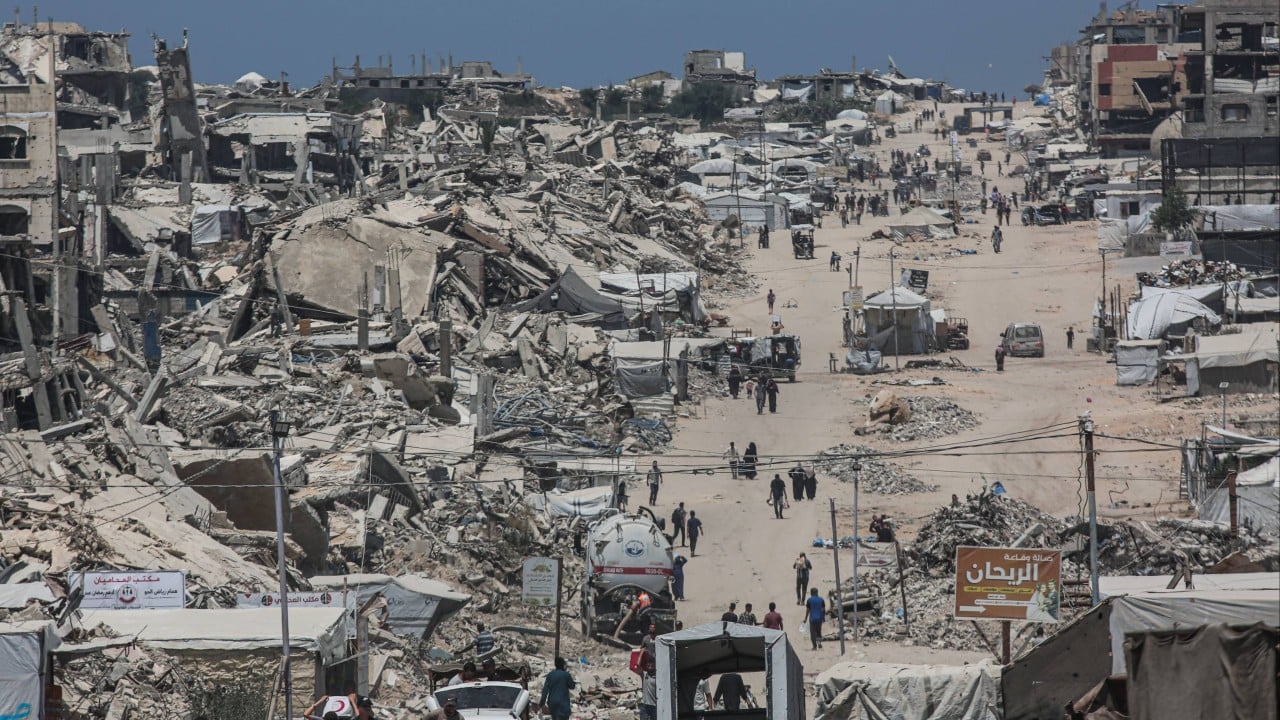
Another pause broken. Another life lost. The fragile rhythm of temporary quiet in the Gaza Strip shattered when an Israeli airstrike hit northern Beit Lahiya, killing one person and wounding several others.
The Breaking Point of a Brief Lull
For over a week, aerial bombardments had largely ceased. That relative quiet gave residents a brief window to breathe, scavenge for supplies, and assess endless piles of concrete rubble. That pause ended abruptly. The Israeli military stated the operation targeted a specific commander accused of orchestrating operations against troops stationed inside the territory. Meanwhile, you can find other developments here: Why JD Vance Forced Zelensky to Stop Black Sea Tanker Attacks.
Local civil defense teams and hospital medics offered a different perspective on the ground. They reported the strike hit a civilian vehicle, tearing apart Mohanad Saada and injuring others who were nearby. Witnesses claimed the victim was part of a local crew attempting to repair walls damaged by earlier shelling.
The Politics Behind the Missiles
This escalation doesn't happen in a vacuum. International diplomats have scrambled for months to lock down a permanent end to hostilities, pushing various iterations of peace frameworks. Washington recently touted major milestones in negotiations, hoping to transition the territory into a phased withdrawal model. To understand the complete picture, we recommend the excellent article by The New York Times.
Yet, political reality on the ground keeps clashing with diplomatic optimism. Prime Minister Benjamin Netanyahu publicly pushed back against key elements of the proposed transition, refusing to commit to total pullouts while military objectives remain active. When political deals stall, the operational tempo on the ground usually fills the vacuum.
What the Numbers Actually Tell Us
Statistics from this conflict reveal a grim reality that standard diplomatic updates often mask. Since the formal introduction of high-level ceasefires, over 1,250 Palestinians have lost their lives to ongoing military fire. Most casualties are civilians, caught in zones where military units maintain operational control.
Tracking militant casualties remains nearly impossible because factions rarely publish internal operational losses. On the other side, a smaller number of soldiers have died from localized ambushes and explosive devices. This disparity highlights why these ceasefires struggle to hold. They are built on shifting sand, with troops remaining deeply embedded inside urban centers.
As long as forces maintain active positions inside the strip while diplomatic frameworks argue over final governance, sporadic violence will continue to puncture any temporary calm. Real stability requires more than a press conference about a pause. It demands an agreement that addresses who controls the ground day to day. Until that changes, these brief lulls will remain temporary interruptions to an ongoing conflict.
Gaza strikes and regional updates
This video provides context on the recent escalation of strikes and military movements across the Gaza Strip.
http://googleusercontent.com/youtube_content/1