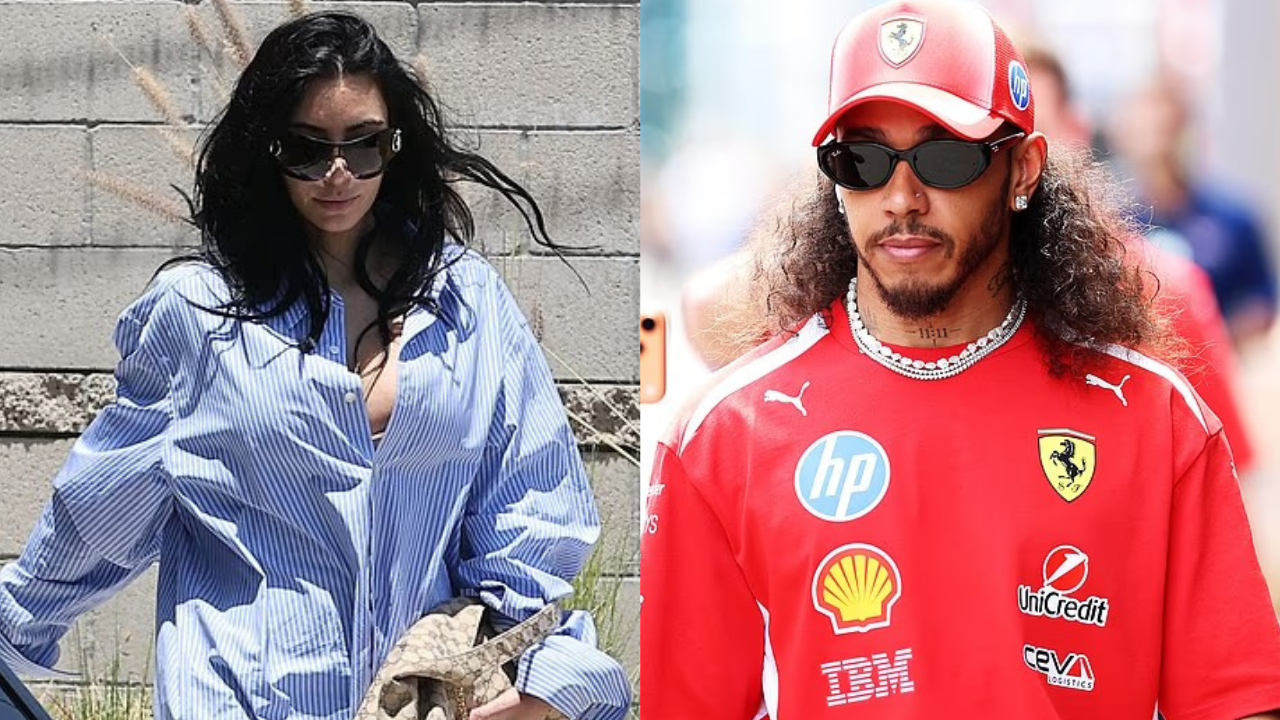
The Formula 1 paddock at the Circuit de Barcelona-Catalunya has transformed from a grease-stained engineering zone into the most expensive runway in global sports. When Lewis Hamilton arrived for the Spanish Grand Prix displaying a bold custom tactical-vibe ensemble, it instantly dominated social media feeds, overshadowing traditional pre-race technical briefings. Simultaneously, halfway across Europe, Kim Kardashian’s highly publicized departure from high-profile continental fashion events signaled a distinct shift in how ultra-celebrities interact with international sporting spectacles. This juxtaposition is not accidental. The modern F1 paddock is no longer just about tire degradation and aerodynamic upgrades; it has become a fiercely competitive theater of personal branding, corporate sponsorship, and cultural influence where drivers operate as independent entertainment franchises.
For decades, Grand Prix racing maintained a rigid, insular culture. Drivers arrived in team-issued polos, tracksuits, and sponsored caps, looking less like individual athletes and more like walking corporate billboards. Hamilton systematically broke that mold. By leveraging his global fashion connections and demanding the autonomy to wear what he pleased, he forced the sport to accept a new reality. Today, the walk from the team parking lot to the hospitality hospitality suite is a high-stakes media event. Discover more on a connected subject: this related article.
The Financial Mechanics of the Paddock Runway
This shift is driven by cold, hard cash. When a driver wears an emerging designer or a major luxury brand in front of hundreds of photographers, the Earned Media Value (EMV) generated within minutes can rival a multi-million-dollar traditional advertising campaign. The metrics behind these arrival moments reveal a highly coordinated ecosystem.
Luxury brands are actively bypassing traditional sports marketing agencies to negotiate directly with drivers' management teams. The goal is simple: capture the attention of F1’s rapidly diversifying, younger demographic. Statistics from recent seasons show a massive influx of female fans and Gen Z viewers, a group completely indifferent to traditional automotive sponsors like oil companies or component manufacturers. They care about lifestyle. Further analysis by CBS Sports delves into comparable views on the subject.
+-------------------+-----------------------------------+-----------------------------------+
| Metric            | Traditional Team Sponsor Apparel  | Individual Driver Fashion Choice  |
+-------------------+-----------------------------------+-----------------------------------+
| Primary Audience  | Core Motorsport Enthusiasts       | Mainstream Pop Culture, Gen Z     |
| Social Engagement | Moderate, Predictable             | High, Viral Potential             |
| Brand Alignment   | Corporate, Automotive, B2B        | Luxury, Lifestyle, Direct-to-Con  |
| Control Level     | Rigid Team Contract Guidelines    | High Driver Autonomy              |
+-------------------+-----------------------------------+-----------------------------------+
This structural evolution explains why someone like Hamilton can wear an oversized, avant-garde outfit in Barcelona and command more digital real estate than the actual race preview. It is a calculated exercise in audience retention. The driver becomes bigger than the team, and arguably, bigger than the sport itself.
The Celebrity Migration and the Mirage of Authenticity
While drivers use fashion to solidify their cultural relevance, Hollywood elites and reality television royalty use Formula 1 as a temporary backdrop for their own brand maintenance. The presence of figures like Kim Kardashian at European sporting events highlights a broader trend of transactional celebrity appearances.
These high-profile guests rarely stay for the checkered flag. Their arrivals are carefully timed to coincide with peak media windows, often exiting the venue or even the country before the race strategy fully unfolds. This transient engagement contrasts sharply with the drivers who live within the sport. For a celebrity, the F1 paddock is a pit stop to validate their global reach; for Hamilton, it is the platform he rebuilt from the ground up.
Critics argue that this influx of non-sporting celebrities dilutes the competitive essence of Formula 1. Purists complain that television broadcasts spend too much time cutting to VIP garages rather than showing on-track overtakes. Yet, the governing body and commercial rights holders view this crossover as essential fuel for the sport's ongoing expansion. The friction between pure sporting merit and pure entertainment value is the defining tension of modern motorsport.
The Power Struggle for Driver Autonomy
Enacting this level of cultural freedom was not easy. Formula 1 teams are notoriously controlling environments where every square centimeter of a driver's kit is monetized. Early in his career, Hamilton faced significant pushback from team principals who feared that individual style choices would alienate traditional, conservative sponsors.
The turning point occurred when the digital returns became undeniable. When a driver's off-track outfit pulls in millions of impressions from fashion publications that have never previously covered a motor race, the corporate partners stop complaining. In fact, they try to adapt. We now see teams launching limited-edition streetwear collaborations ahead of major races in Miami, Las Vegas, and Austin.
- Driver Autonomy: The freedom to sign independent personal luxury contracts.
- Team Co-Branding: Merging traditional racing logos with high-end streetwear aesthetics.
- Fan Access: Selling the lifestyle aspect of racing directly to consumers through merchandise that looks nothing like traditional team gear.
This commercial reality has forced the rest of the grid to follow suit. Younger drivers now routinely employ personal stylists to curate their weekend wardrobes, turning up to technical briefings in outfits that are heavily analyzed by fashion blogs. What started as an act of defiance by a single world champion has become the standard operating procedure for the entire paddock.
The Limits of the Lifestyle Era
There is a hidden risk in prioritizing the runway over the racetrack. Formula 1 is ultimately a brutal meritocracy governed by stopwatches and championship points. A driver can have the most avant-garde wardrobe in the world, but if they are consistently out-qualified by a teammate wearing a basic team polo, the cultural capital evaporates quickly.
The paddock walk only works when backed by elite performance. Hamilton's fashion choices carry weight because they are worn by a statistical titan of the sport. For midfield or back-marker drivers, leaning too heavily into the lifestyle space can invite intense scrutiny from team owners who demand total focus on engineering and simulator work. The line between being a cultural icon and a sporting distraction is incredibly thin.
Furthermore, the fast-moving nature of internet trends means that what feels fresh in Barcelona can feel formulaic by the time the paddock arrives in Monza. The constant demand for novelty places a bizarre, non-sporting pressure on athletes who are already operating under extreme physical and mental stress. They must balance tire management meetings with wardrobe fittings.
Redefining the Modern Athlete
The evolution seen in Barcelona proves that the definition of a sports star has permanently shifted. The modern athlete is expected to be a multi-hyphenate creative director, a social activist, and a competitive machine all at once. Formula 1 did not create this trend, but due to its global footprint and immense wealth, it has become the most visible arena for it.
The intersection of Hamilton's calculated paddock style and the fleeting presence of American reality television stars represents two sides of the same coin. One is an organic, hard-fought expansion of an athlete's personal identity within a rigid system. The other is a corporate-sponsored utilization of a sport's surging popularity. Both validate the reality that Formula 1 is no longer just a racing series. It is a primary engine of global pop culture, and the paddock is its most effective stage.