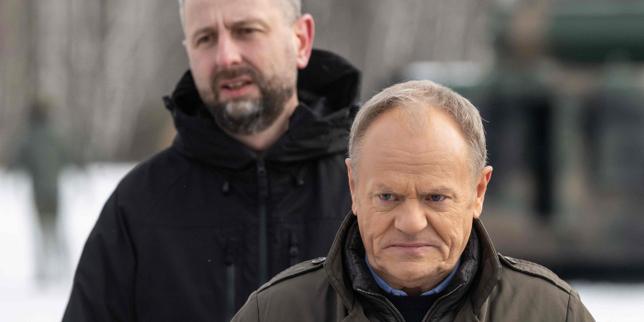
Political violence doesn't arrive out of nowhere. It brews online, festers in polarized echo chambers, and occasionally explodes into real-world action. When Polish authorities arrested a 66-year-old man in connection with a credible plot to assassinate Prime Minister Donald Tusk and Defense Minister Władysław Kosiniak-Kamysz, it wasn't just an isolated security scare. It laid bare a toxic political undercurrent that has been spreading across Central Europe.
If you've been following Polish politics over the last few years, you know the atmosphere is radioactive. But moving from bitter verbal combat online to an active assassination plot is a terrifying escalation. Let's look at what actually happened, who is behind it, and why this security breach signals a darker turn for domestic stability in Warsaw.
The Anatomy of a Foiled Threat
The alarm bells went off when Poland's Internal Security Agency (ABW) and the State Protection Service intercepted information regarding a high-probability threat. Unlike vague online trolling, security officials treated this intelligence as an imminent danger. Prime Minister Donald Tusk was briefed first thing in the morning, triggering immediate emergency coordination between police, intelligence, and ministerial departments.
Law enforcement moved fast. They detained a suspect identified in court documents under privacy laws as Krzysztof N., a resident of Wrocław. Investigators quickly charged him not only with plotting an attack against top government officials but also with promoting a war of aggression in Ukraine and inciting hate crimes.
For months, the suspect had allegedly been active online, broadcasting videos that radicalized supporters and built a digital grievance ecosystem. This follows a disturbingly familiar pattern. Radicalization starts behind a keyboard, building a narrative where political opponents aren't just people you disagree with—they are existential enemies who need to be eliminated.
The Far Right Connection and Growing Radicalization
Investigative reports and statements from officials have pointed directly toward radical right-wing extremist networks as the breeding ground for this plot. Poland has experienced a sharp uptick in societal hostility. Just days before the news of the assassination plot broke, the country was rattled by a series of violent incidents, prompting Tusk to publicly denounce what he called a "cult of violence" creeping into mainstream Polish society.
The defense minister, Władysław Kosiniak-Kamysz, shares a joint target status with Tusk because their coalition represents the pro-European, centrist shift that ousted the nationalist Law and Justice (PiS) party. Hardline factions on the extreme right have struggled to accept this political realignment, fueling a rhetoric of betrayal and treason. When political discourse treats a democratic election result as an occupation, unstable actors eventually take matters into their own hands.
Security experts note that threats against public figures in Poland have spiked dramatically. The State Protection Service now handles a daily influx of menacing messages that go far beyond standard cyberbullying. The shift from hateful emails to pipe bombs or coordinated ambushes is thinner than most people think.
Why This Matters Beyond Poland's Borders
Poland isn't just another European Union member state right now. It functions as the logistical backbone for NATO support to Ukraine and sits directly on a heavily militarized fault line. Any internal instability in Warsaw weakens the entire eastern flank of the Alliance.
Moscow loves nothing more than internal division among its neighbors. While investigators haven't pointed to direct foreign orchestration in this specific plot, a fractured, violent domestic political scene serves the exact same strategic purpose. When a country's prime minister and defense minister have to coordinate emergency security measures against domestic radicals, state bandwidth gets pulled away from national defense.
Combating this threat requires more than just locking up lone-wolf extremists after they get caught on a wiretap or an email tip-off. It forces a hard look at the platforms and rhetoric that normalize political violence. If social media algorithms and extremist influencers continue to reward calls for bloodshed, arrests will only act as a temporary tourniquet on a gushing wound.
Democracy survives on institutional norms, but those norms only hold up as long as people agree that political defeat doesn't mean death. Poland just caught a glimpse of what happens when that agreement shatters.