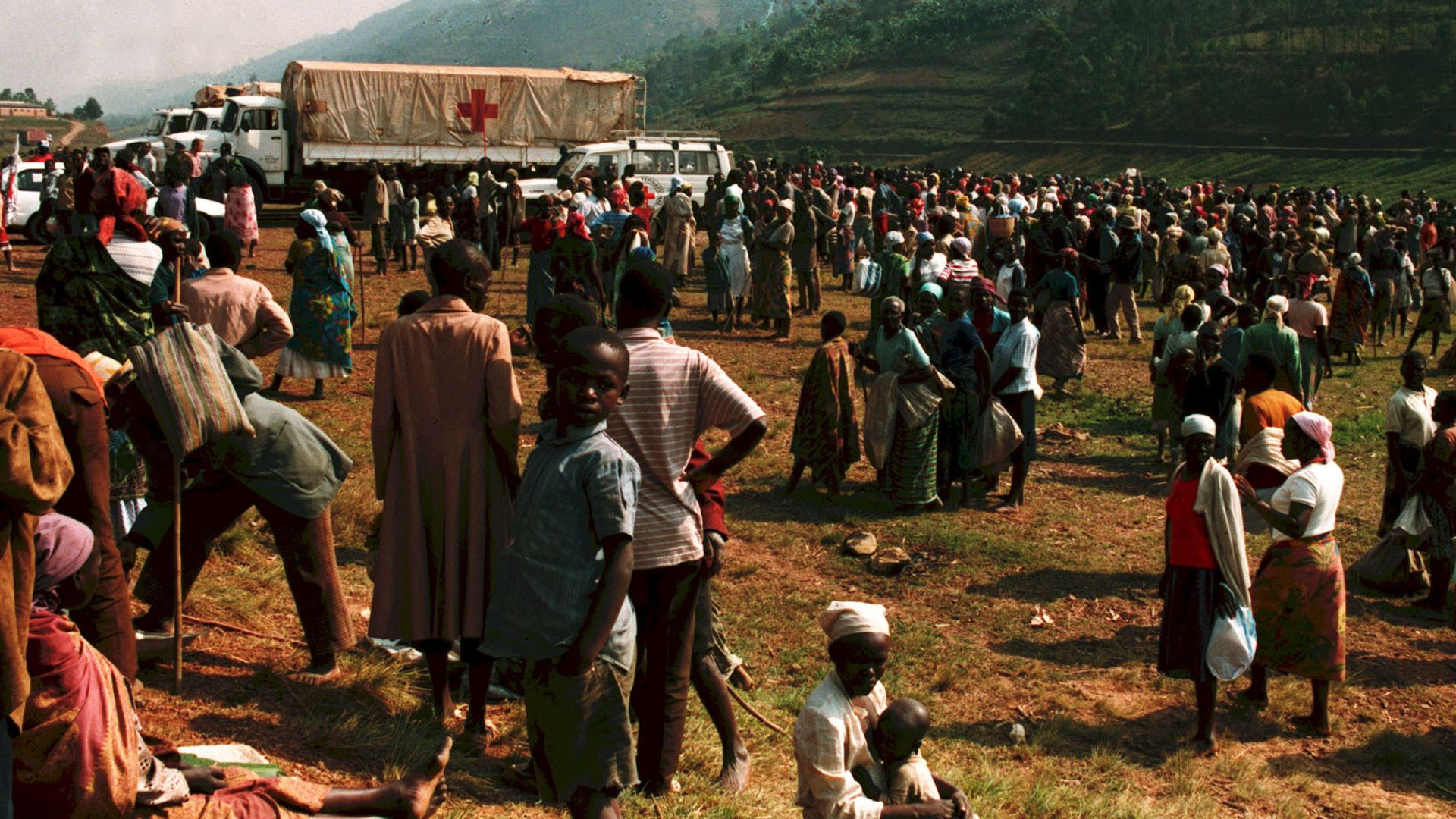
Justice moves at a glacial pace, but three decades is an absolute eternity. British prosecutors have finally taken a historic step by bringing the country's very first domestic criminal charges connected to the 1994 Rwandan genocide.
Dr. Vincent Brown—formerly known as Vincent Bajinya—stands accused of offenses linked to the atrocities that claimed roughly 800,000 lives. For years, suspects accused of participating in the brutal slaughter of the Tutsi minority lived relatively quiet lives in British neighborhoods. This latest development shatters a long-standing pattern of legal inertia that previously turned the UK into an accidental safe haven for alleged war criminals.
Unpacking the Landmark Case Against Dr. Vincent Brown
The Crown Prosecution Service authorized charges against 65-year-old Brown after a painstaking investigation led by the Metropolitan Police War Crimes Team. Investigators poured over evidence regarding events in Kigali's Rugenge district. Prosecutors charge him with conduct ancillary to genocide and murder as a crime against humanity.
The charges stem from the 2001 International Criminal Court Act, which gave British courts jurisdiction over war crimes and genocide committed abroad. Yet, deploying this legislation for a domestic trial involving the 1994 atrocities has taken an unbelievable amount of time. Brown, a medical doctor who later lived in North London and worked with refugee groups, denies the allegations completely. His case highlights the immense friction between international human rights obligations and domestic courtroom hurdles.
Why Prosecution Took This Long
You might wonder why it took over thirty years for British authorities to act. Extradition requests filed by Rwanda back in 2006 were famously blocked by UK courts over a decade ago due to concerns about whether defendants could receive a fair trial back in Kigali.
That legal deadlock created an indefinite limbo. Suspects stayed put, shielded by technicalities and the sheer complexity of building war crimes cases decades after the fact. Witness testimonies fade. Physical evidence vanishes. Proving individual intent and command responsibility across international borders demands an astronomical investment of investigative muscle. The Metropolitan Police War Crimes Team only launched this specific renewed investigation in September 2019 following fresh cooperation requests, proving just how fragile and drawn-out accountability truly is.
What This Means for Global Accountability
This prosecution sends a sharp message across international borders. Countries can no longer hide behind jurisdictional red tape or slow-walk accountability for mass atrocities. When nations fail to extradite suspects, domestic prosecution remains the final safeguard against complete impunity.
Other investigations into individuals residing in the UK remain active. Survivors and families of victims have waited generations for this moment. While a single trial cannot undo the devastation of 1994, it marks a vital shift in how modern democracies handle historical war crimes hiding in plain sight.
For anyone tracking international law, watch how the courts handle procedural challenges in the coming months. The outcome will likely set a powerful precedent for prosecuting historical human rights abuses on British soil.
What Vincent Bajinya's arrest means for Genocide justice
This video explores the wider legal and historical context behind the groundbreaking UK prosecution of Dr. Vincent Brown.


