Democracy in the southern Philippines just entered uncharted territory. For decades, the narrative of the Bangsamoro Autonomous Region in Muslim Mindanao was written in gunfire and peace accords. When nearly 2.4 million registered voters turned out for the region's first-ever parliamentary elections, they weren't just casting ballots—they were testing whether a historic 2014 peace pact could actually survive the ballot box.
Voters showed up in massive numbers, pushing turnout past 80 percent. But instead of a decisive mandate for a single faction, the election delivered a hung parliament. No single group secured the 41 seats needed for an outright majority in the 80-member assembly. Now, backroom dealmaking and high-stakes coalition building will dictate who actually runs the government.
Fractured Factions and the Battle for the South
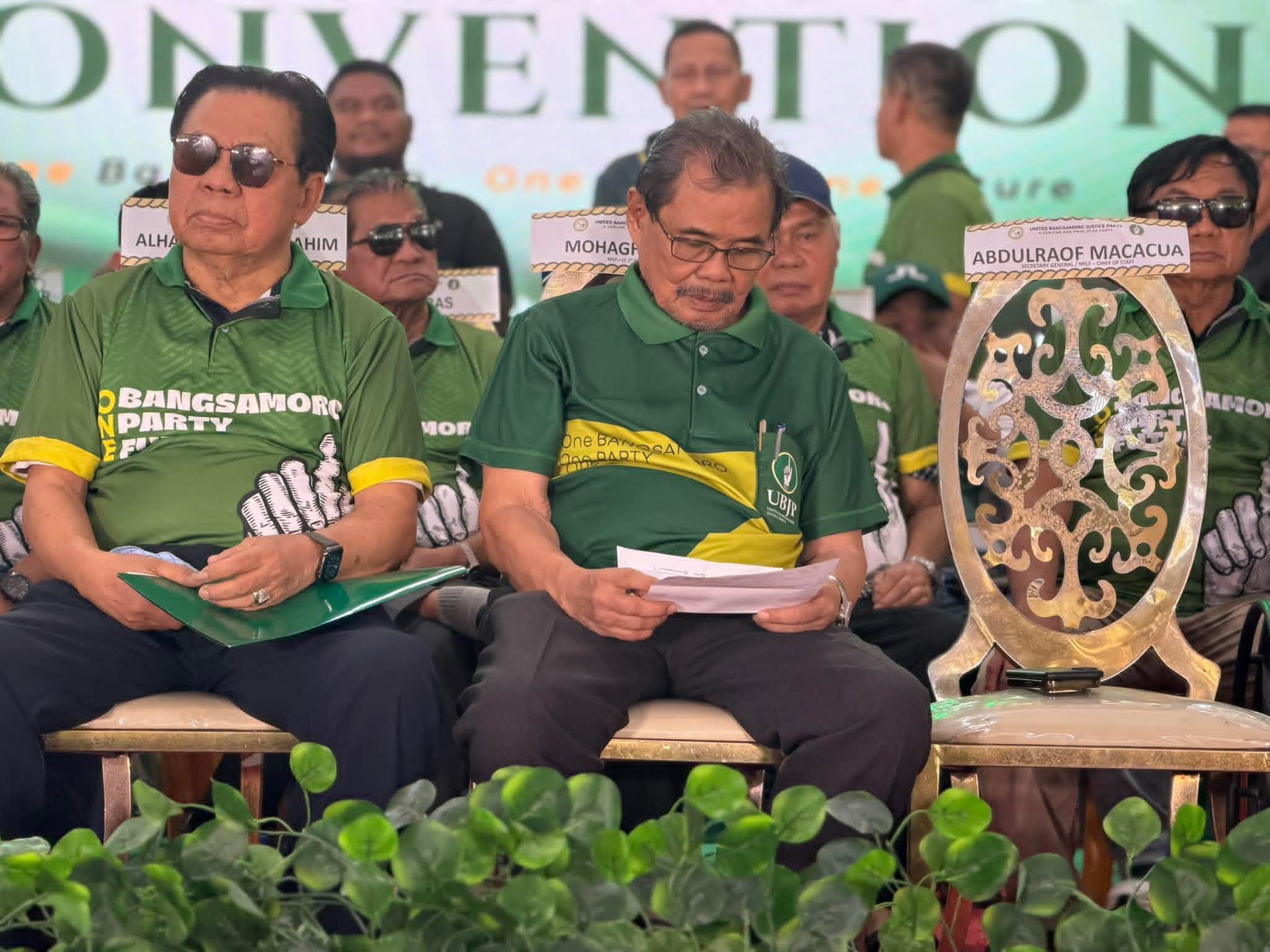
The political fault lines in Bangsamoro don't run along traditional national party lines. Instead, the race boiled down to a fierce internal rivalry born from the Moro Islamic Liberation Front, the former separatist army that traded guerrilla warfare for regional self-rule.
On one side stood the camp loyal to longtime MILF Chairman Al Haj Murad Ebrahim. On the other side was the faction aligned with Abdulraof Macacua, a former MILF commander who served as interim chief minister. Partial results showed Macacua's bloc and Murad's loyalists splitting the lion's share of the vote, with neither able to clear the majority threshold on their own.
Adding a heavy dose of unpredictability to the math was the Bangsamoro Grand Coalition. Pulling in roughly a fifth of the party-list vote, this third bloc instantly became the kingmaker. When no faction holds a hammer, everyone needs a coalition.
Why This Hung Parliament Matters
Elections in post-conflict zones carry massive stakes. For generations, the Muslim-majority south suffered through a brutal conflict that claimed over 120,000 lives and displaced millions. The creation of BARMM was supposed to draw a definitive line under that history by giving local populations genuine legislative and executive power.
Yet, a fragmented parliament opens the door to instability if rival commanders cannot share power. Analysts point out that the best-case scenario requires former comrades-in-arms to mend fences rather than weaponize their new political blocks. Clan rivalries, known locally as rido, and factional tensions still linger across provinces like Maguindanao del Sur. If the legislature spends its first years deadlocked in turf wars, public faith in regional autonomy will plummet.
The path forward depends entirely on whether political elites can pivot from battlefield thinking to parliamentary compromise. Regional governors and key political figures have already started locking arms behind majority arrangements to stabilize the transition, but the real test begins the moment the new chief minister faces the floor.
Watch the committee allocations and cabinet appointments over the coming weeks. That is where the real governance of Bangsamoro will be decided.