The feel-good news cycle thrives on a predictable formula. A local veteran is tracked down. A community rallies. A bespoke, highly detailed artifact—in this case, a custom model ship meticulously replicated after a nationwide search—is presented to a stunned, tearful recipient. The cameras flash, the internet applauds, and everyone goes home feeling a profound sense of civic duty fulfilled.
It is a beautiful narrative. It is also a massive distraction.
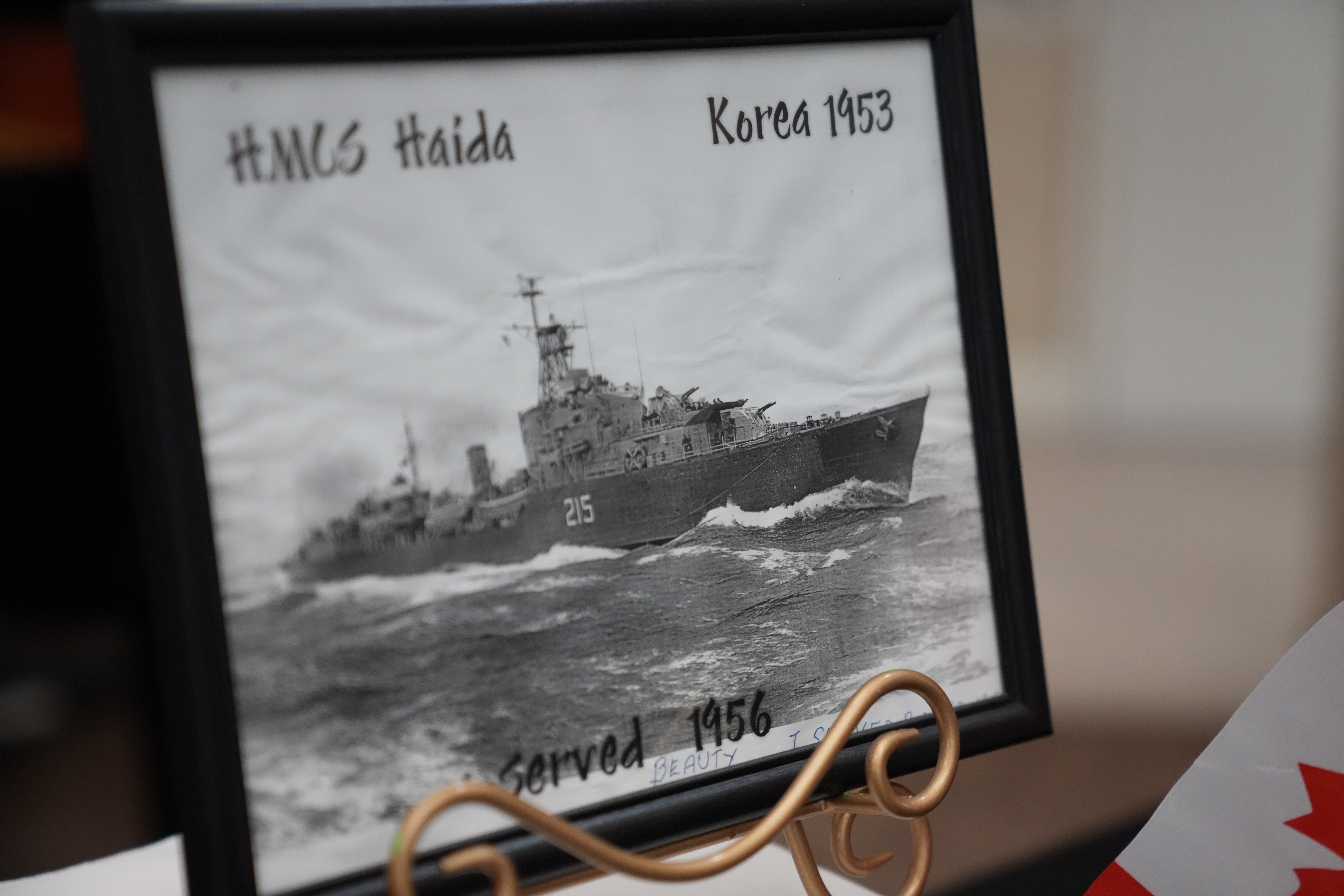
When the story of a Kelowna veteran receiving a custom model ship made waves, it captured the exact kind of lazy consensus that dominates modern veteran appreciation. We have commodified honor into tangible, cinematic moments. We treat tribute as a logistics problem solved by crowdsourcing and hobbyists. But if you scratch beneath the surface of these highly publicized acts of kindness, you find a uncomfortable truth: we are substituting symbolic grandstanding for the systemic, unglamorous support that aging service members actually need.
I have spent years working within advocacy spaces and analyzing how public perception shapes policy. I have watched communities raise tens of thousands of dollars for statues, shadowboxes, and scale models, while the local veterans' housing initiatives in those exact same zip codes beg for basic funding. We are addicted to the aesthetics of gratitude.
The Currency of Sentimentality
The mechanics of the Kelowna story rely on a simple emotional transaction. A piece of history is recreated, a veteran feels recognized, and the public gets a brief respite from a cynical world.
But sentimentality is a cheap currency.
When we focus entirely on the emotional payoff of a surprise gift, we ignore the structural deficits facing veterans. According to data from various veterans' affairs departments across Western nations, the primary stressors for older veterans are not a lack of memorabilia. They are healthcare navigation, social isolation, and bureaucratic gridlock.
Imagine a scenario where the hundreds of volunteer hours and nationwide logistics deployed to build and transport a model ship were instead redirected toward navigating the labyrinthine paperwork of veteran medical benefits. It would not make for a viral headline. It would not trend on social media. But it would change a life.
The comfort of a physical relic is fleeting. A custom model ship sits on a shelf. It dusts over. Meanwhile, the actual lived experience of the veteran remains entirely unaltered by the gesture. We are validating our own desire to feel patriotic rather than addressing the stark realities of post-service life.
Dismantling the Commemoration Premise
Public discourse frequently asks variations of the same question: How can communities better honor local heroes?
The question itself is flawed. It assumes that "honoring" is an action tied to ceremonies and gifts. We need to dismantle this premise entirely.
- The Fallacy of the One-Time Gesture: A grand surprise creates an illusion of ongoing care. It allows a community to check a box. "We took care of our veteran," the town says, before moving on to the next human-interest story.
- The Scale Problem: For every veteran surprised with a custom model of their old vessel, thousands rot in isolation. Commemoration culture picks winners and losers based on how compelling their story looks on a local news broadcast.
- The Resource Misallocation: True support is operational, not ornamental. If the goal is genuine welfare, the focus must shift from the workshop to the clinic.
If you want to honor a veteran, stop buying them things. Stop organizing flash mobs and parades. Start funding the legal advocates who fight the government for their pensions. Drive them to their medical appointments. Show up on a Tuesday afternoon when there are no cameras around and the silence in their living room is deafening.
The Downside of Disruption
To be entirely transparent, challenging this narrative makes you look like a cynic. When you tell a group of well-meaning volunteers that their nationwide search for ship blueprints might not be the best use of their energy, you are met with immediate hostility. People want their emotional payoffs. They want the tears.
The downside of pushing for systemic support over symbolic gifts is that systemic support is exhausting. It requires dealing with government agencies, fighting for policy reform, and committing to long-term care that offers zero instant gratification. It is a grind. It is thankless.
But treating veterans like fragile museum pieces to be decorated with trinkets is a disservice to their legacy. They did not serve for the hobby projects of the future; they served to secure a society that would protect them when their watch ended.
Shift the Logistics from Art to Action
The execution of these nationwide search efforts proves one thing: the network exists. The infrastructure to mobilize people across a country for a singular cause is already in place. The tragedy is that we are wasting this logistical powerhouse on the wrong targets.
Take that same energy, that same obsessive attention to detail required to scale down a naval vessel to the millimeter, and apply it to checking in on isolated seniors. Build networks that monitor mental health, combat cognitive decline, and ensure physical safety.
If a community can track down rare model parts across three provinces, it can easily coordinate a local driving pool to ensure every veteran in the region gets to their specialist appointments without relying on public transit or stressful coordination.
Stop romanticizing the past at the expense of the present. The Kelowna model ship is a masterpiece of craftsmanship, but it is a monument to our own complacency. True honor is not a spectator sport, and it certainly does not fit on a coffee table. Drop the tools, step away from the workbench, and look at the actual human being standing in front of you. They need an advocate, not an artisan.