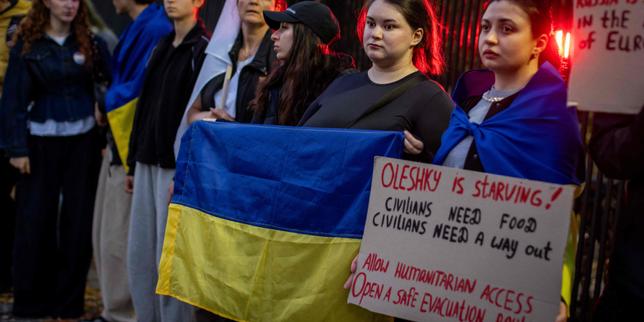
When the war in Ukraine broke out in February 2022, Poland opened its borders and its homes with an almost unprecedented wave of solidarity. Ordinary citizens drove to border crossings to pick up families with nothing more than plastic bags of belongings. They offered spare bedrooms, cooked hot meals, and organized language classes without waiting for government directives.
That massive surge of goodwill has cooled down significantly. Today, conversations in Warsaw, Kraków, and smaller provincial towns carry a different weight. Complaints about housing costs, competition for jobs, and supposed unfair economic privileges granted to newcomers echo through public squares and online forums.
This shift didn't happen by accident. Political actors, populist commentators, and online actors weaponized genuine economic anxieties to turn public opinion against Ukrainian refugees. If you want to understand how a nation goes from standing shoulder-to-shoulder with neighbors in crisis to viewing them through a lens of suspicion, you have to look closely at how fear is manufactured and distributed.
The Mechanics of Political Instrumentalization
Politicians love a scapegoat because it simplifies complex systemic failures. Poland's rising inflation, strained healthcare infrastructure, and skyrocketing housing prices were real, measurable problems long before the first refugee crossed the border. Rent hikes and mortgage pressures hurt everyday working people.
Instead of addressing structural economic policy, certain political factions found an easier target. They reframed scarce housing and overburdened public services not as the result of broader economic shifts, but as a direct consequence of hosting millions of displaced people. Every social benefit payment became ammunition. Every rumor about preferential treatment for foreigners on waiting lists got amplified across social media feeds until it felt like an established fact.
You saw this strategy play out during electoral cycles, where anti-refugee rhetoric offered an easy tool to mobilize disaffected voters. When people feel squeezed financially, pointing to a visible external group provides an immediate release valve for their frustration. It takes real skill to manipulate public discourse this way, and cynical political strategists deployed that skill with precision.
Feeding the Resentment Machine
The narrative machine relied on a steady diet of exaggeration and distortion. Social media algorithms rewarded outrage, meaning that unverified stories about conflicts between locals and refugees traveled faster than boring bureaucratic facts.
Take the labor market as a primary example. Economists pointed out early on that Ukrainian workers filled critical labor shortages in construction, logistics, and agriculture, boosting Poland's GDP and stabilizing vital sectors. Yet the public narrative focused heavily on the idea of wage depression and unfair competition. People were told that foreigners were taking local jobs, even as employers screamed for more hands to keep businesses running.
Similar dynamics played out around healthcare and education. Classrooms swelled in size, and family doctor waiting lists stretched out further. Local governments struggled with funding to integrate thousands of children into schools overnight. Instead of channeling resources into municipal infrastructure to handle the influx, political debates stalled on whether foreigners deserved access to public goods at all. This manufactured scarcity created a zero-sum mentality where any resource used by a refugee felt like something stolen from a Polish citizen.
Looking Past the Noise
Sorting through the noise requires looking at hard data rather than viral outrage. Studies from economic institutes consistently show that the fiscal contribution of Ukrainian refugees—through consumption taxes, income taxes, and labor market participation—largely offsets the state support they receive. They are consumers, taxpayers, and workers, not just passive burdens on the social welfare system.
Yet facts struggle to compete with emotional resonance. When a family struggles to pay their electricity bill or renew their lease, economic statistics offer cold comfort. Populist messaging wins because it speaks directly to that emotional vulnerability. It gives people someone to blame.
The challenge for civil society in Poland now involves rebuilding that bridge of solidarity without ignoring legitimate domestic grievances. Ignoring housing shortages or school overcrowding does nobody any favors. Pretending that integration is completely frictionless is equally dishonest.
Solidarity requires honesty about the costs and the benefits. When leaders fail to provide honest stewardship, fear fills the vacuum. Reversing that trend takes more than wishful thinking; it demands a refusal to let cynical political actors profit from division.