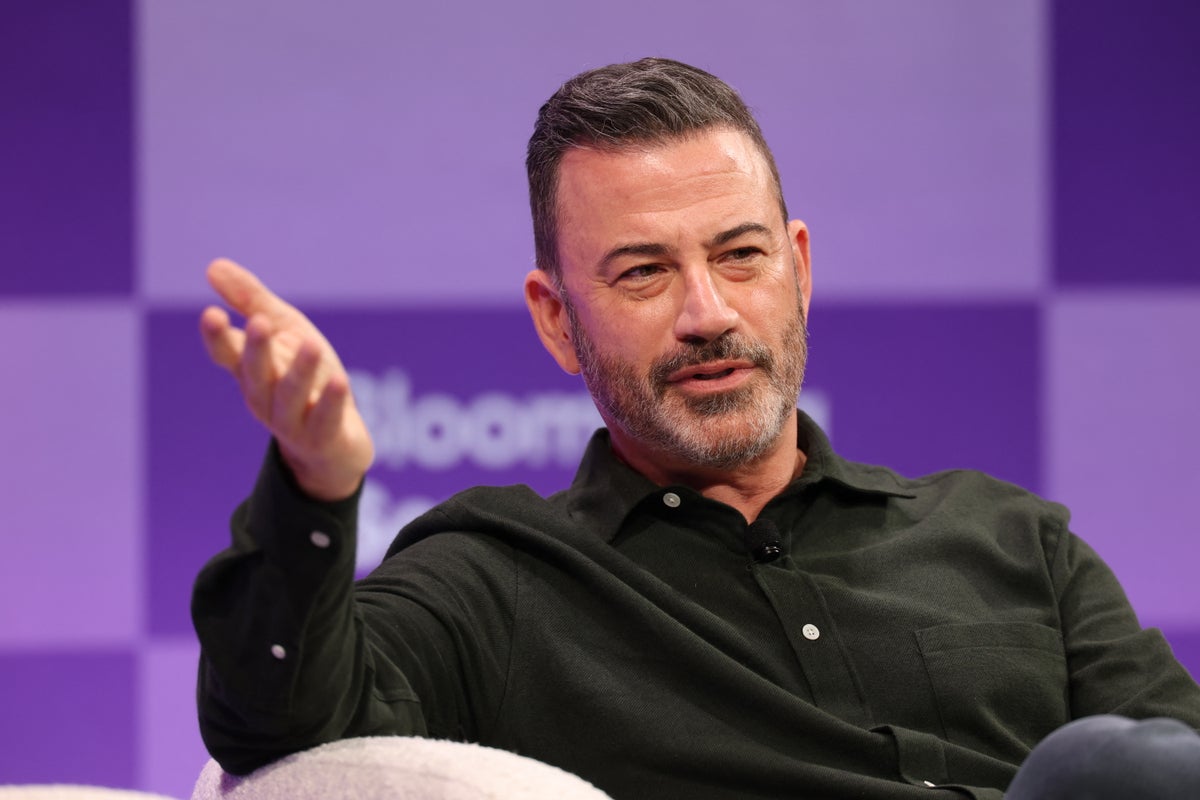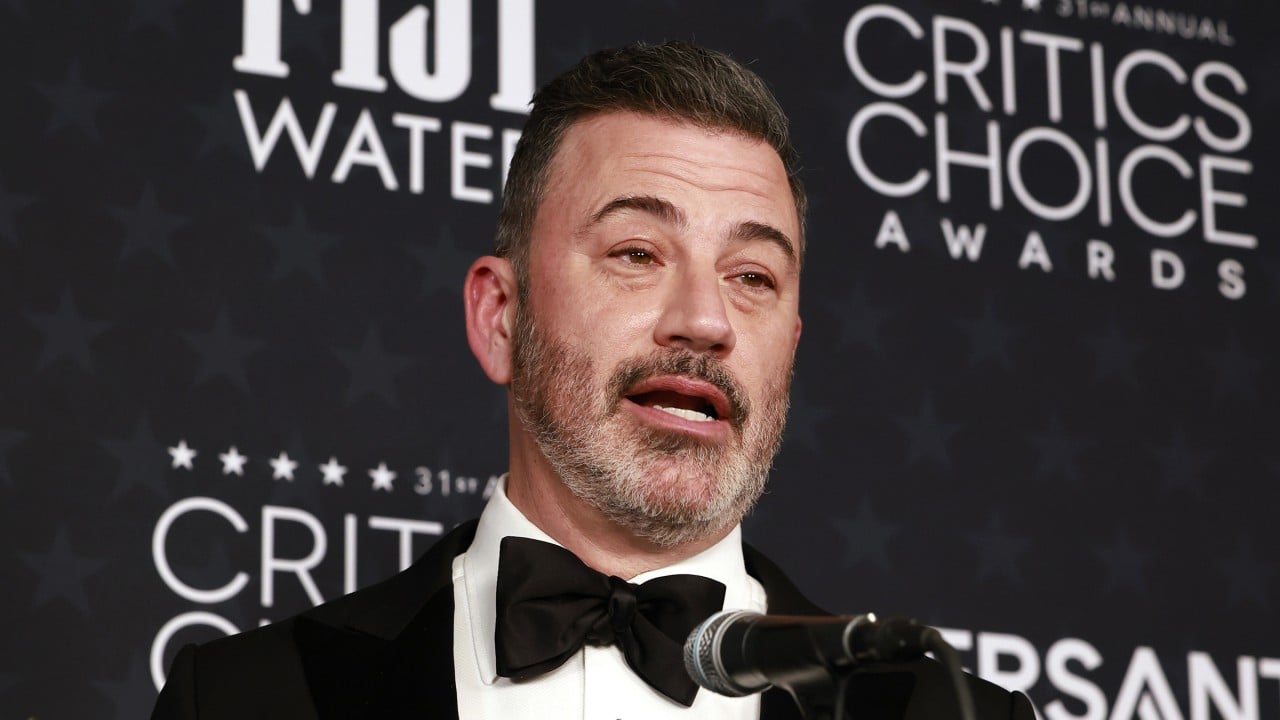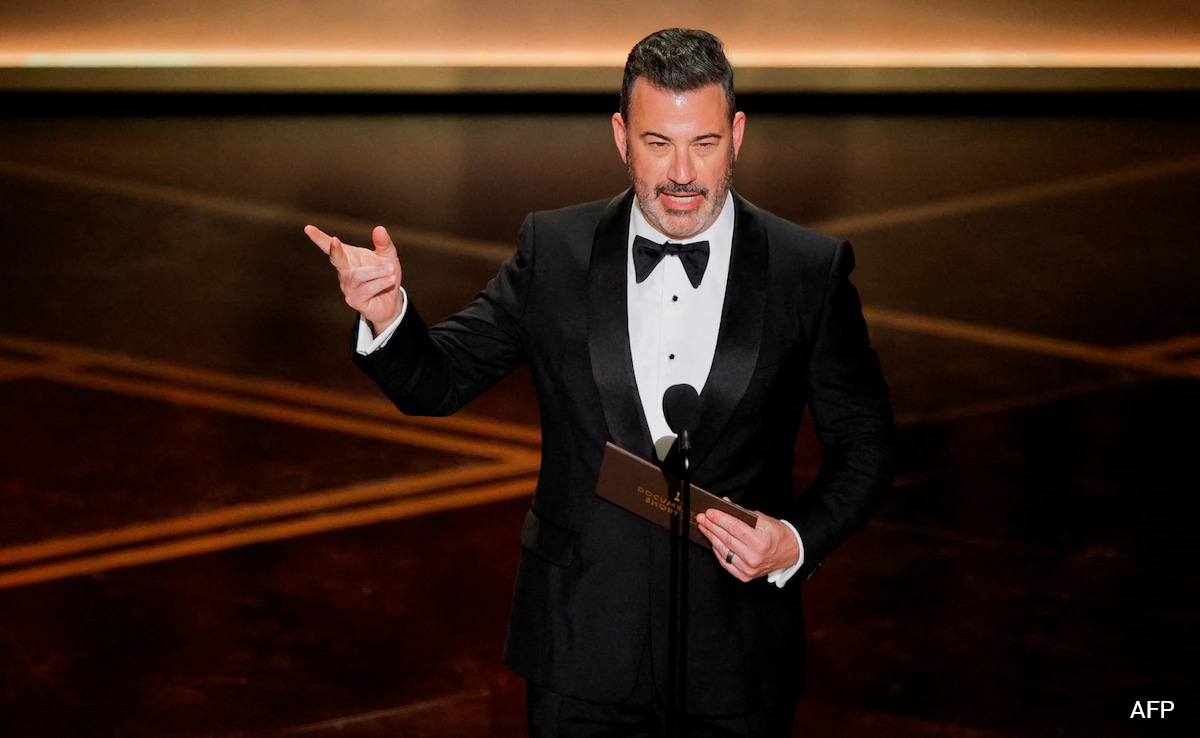
The outrage machine is humming at a perfect frequency. ABC is under fire. Jimmy Kimmel made a joke about Melania Trump. Now, the Federal Communications Commission (FCC) is supposedly reviewing the network’s broadcast license. If you believe the headlines, we are on the verge of a First Amendment showdown that could shutter a legacy media giant.
It is a lie. Not just a factual error, but a fundamental misunderstanding of how the American media-industrial complex operates.
The "license review" threat is the oldest trick in the regulatory playbook, and everyone—from the activists filing the complaints to the executives at Disney—knows it’s a paper tiger. In reality, these controversies are the lifeblood of late-night television. ABC doesn't fear a license challenge; they crave the engagement it generates.
The Myth of the FCC Kill Switch
The consensus view suggests that the FCC acts as a moral arbiter with the power to pull the plug on any station that offends the public's sensibilities. This is a fairy tale.
Broadcasting licenses are issued to individual stations, not entire networks. ABC itself doesn't hold one massive license for its national feed. Instead, it owns and operates specific local stations (O&Os) in cities like New York and Los Angeles. To "shut down ABC," the FCC would have to move against these individual entities.
The bar for revoking a license is so high it’s practically in orbit. Historically, the FCC only pulls licenses for egregious, repeated technical violations or demonstrable lack of "character"—usually involving felony convictions of the owners or deliberate lying to the commission. Offensive jokes, even those targeting a former First Lady, fall squarely under protected speech.
I have spent years watching legal teams navigate the labyrinth of the Communications Act of 1934. I’ve seen companies survive massive fines for actual indecency (broadcast nudity or profanity) with barely a scratch on their stock price. A political joke? It isn't even a rounding error on a compliance report.
Why the Outrage is a Revenue Stream
Stop asking if Kimmel went "too far." Start asking who benefits from the noise.
When a clip of a monologue goes viral because of a "license review" threat, the economics of the situation shift instantly.
- Ad Premiums: Hate-watching is still watching. Digital impressions spike when a segment becomes a political lightning rod.
- Subscription Floor: These controversies solidify the brand identity of the network. ABC signals to its core demographic that it is the "resistance" choice, ensuring loyalty in a fractured streaming market.
- The Martyrdom Effect: Nothing moves the needle like a perceived threat of censorship. If the FCC actually opened a formal investigation, Kimmel’s ratings would double overnight.
The FCC is a political body, led by commissioners appointed by the President. In an election year, the optics of "investigating" a comedian for a joke about a political figure are radioactive. It plays directly into the narrative of government overreach. The commission knows this. The network knows this. The only people who don't are the ones clicking the "Sign This Petition" buttons.
The Indecency Standard is a Ghost
The public often confuses "offensive" with "indecent." Under the current legal framework, the FCC only regulates "obscene, indecent, or profane" content.
- Obscenity: Not protected by the First Amendment. Requires the Miller Test (appealing to prurient interest with no redeeming value). A joke about a First Lady’s accent or history never meets this.
- Indecency: Language or material that depicts sexual or excretory organs/activities in a patently offensive way.
- Safe Harbor: Even if a joke is deemed indecent, it is legal to broadcast between 10:00 PM and 6:00 AM.
Jimmy Kimmel Live! airs at 11:35 PM. He is literally operating in a regulatory "Green Zone." The FCC could receive ten million complaints, and the legal response would be a standard form letter explaining the Safe Harbor provision.
The Real Threat Nobody Talks About
If you want to actually hurt a network, you don't look at the FCC. You look at the advertisers.
The "License Review" narrative is a distraction from the real leverage point: the media buyers. But here is the contrarian truth: advertisers no longer flee from political controversy; they budget for it. In 2026, brand "neutrality" is dead. Every major advertiser has already picked a side. A joke that offends the Right is a feature, not a bug, for a brand trying to reach urban, high-income liberals.
By focusing on the FCC, activists are using a 20th-century weapon against a 21st-century target. It’s like trying to stop a Tesla by stealing its gas cap.
The Character Qualities of Modern Broadcasting
When the FCC considers a license renewal, they look at "Public Interest, Convenience, and Necessity."
Decades ago, this meant local programming, news, and community service. Today, the definition has been hollowed out. As long as a station broadcasts anything that can be classified as news or public affairs for a few hours a week, they pass the test.
Imagine a scenario where a local ABC affiliate is actually blocked from renewal. The legal fees for the ensuing appeal would dwarf the station’s annual revenue, but Disney would pay them gladly. Why? Because the Supreme Court, as currently constituted, is highly unlikely to favor a government agency’s right to censor a private broadcaster's political commentary.
The "review" is a procedural ghost. It exists to give the illusion of accountability while ensuring the status quo remains untouched.
The Disconnect Between Law and Twitter
The "People Also Ask" sections of search engines are flooded with queries like "Can the President take away a TV license?"
The answer is a blunt "No."
The President can tweet. The President can complain. But the FCC is an independent agency. Even the Chairman cannot unilaterally revoke a license without a trial-type hearing before an Administrative Law Judge.
The disconnect between the public’s perception of power and the reality of administrative law is where media companies make their money. They want you to think the stakes are high. They want you to believe that the First Amendment is hanging by a thread. It makes for better television.
Stop Feeding the Friction
If you genuinely dislike the content on ABC, the FCC complaint form is a waste of your ink. The agency is a bureaucratic sponge designed to soak up public anger and slowly dissipate it through years of "review" cycles that lead nowhere.
The industry insiders are laughing at the "License Review" headlines. They see them for what they are: free marketing for a late-night show that is struggling to remain relevant in a world of TikTok clips and 15-second memes.
By demanding a review, the critics have given Kimmel exactly what his writers couldn't: a reason for people to care about his show on a Tuesday night.
The license isn't in danger. The only thing at risk is the audience's ability to distinguish between a genuine legal threat and a choreographed PR stunt.
The "review" will finish. Nothing will change. The license will be renewed. The joke will have served its purpose. ABC wins, the FCC looks busy, and the public remains convinced that the system is actually doing something.
Turn off the TV if you want to make a point. Everything else is just noise in the machine.