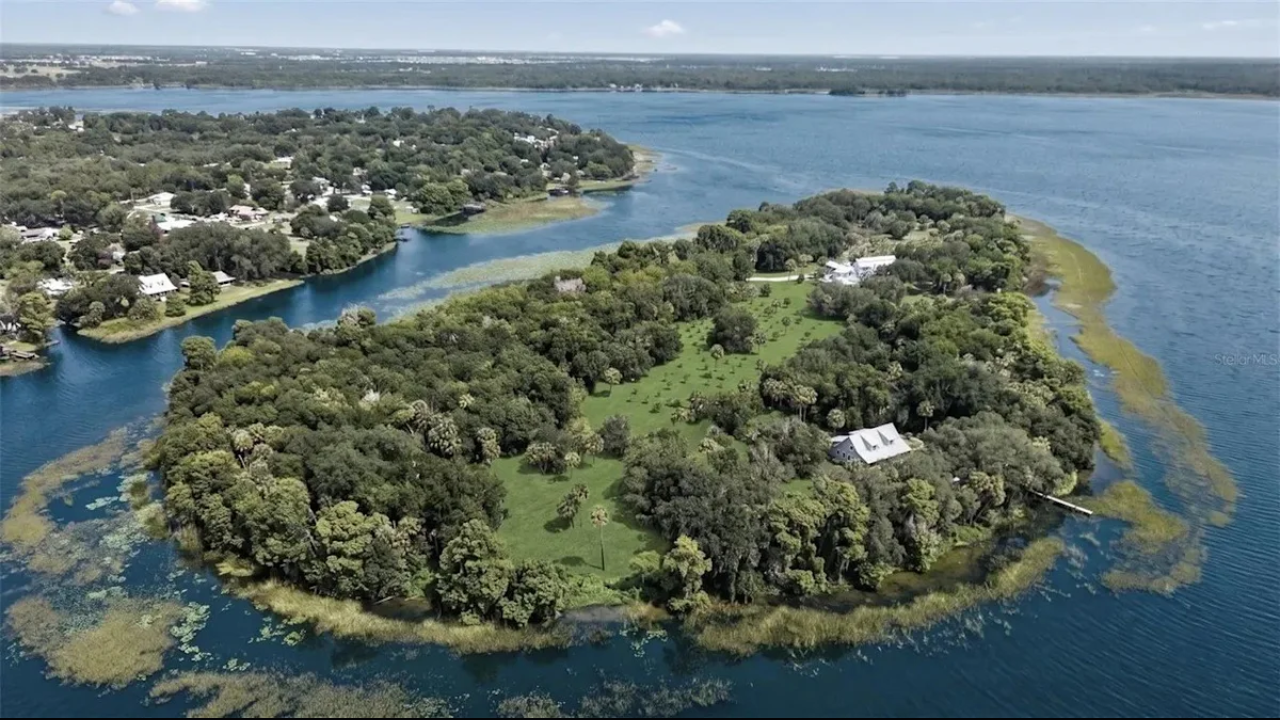
Romanticizing a century and a half of stagnant ownership is the easiest way to ruin real estate history. Every time a glossy feature drops about a secluded sanctuary like Bannon Island—held by a single family for roughly 150 years and reachable strictly by boat—the media treats it as a triumph of preservation. It is not. It is an indictment of modern asset stewardship.
People look at a 23-acre chunk of old Florida wilderness untouched by commercial bulldozers and assume neglect equals virtue. They think passing a property down through generations like a sacred family heirloom protects its soul.
Let us look past the nostalgia trap. Private generational gatekeeping does not save land; it freezes it in an ecological amber that often starves the surrounding ecosystem of adaptive management, modern conservation science, and necessary capital.
The Myth of Benevolent Isolation
The lazy consensus in real estate journalism is simple: private hands keep things pristine, while public or corporate hands pave paradise. I have spent decades watching family-held acreage deteriorate under the guise of preservation. When a property is locked behind a century of emotional attachment and fragmented inheritance, nobody wants to make the hard choices.
Maintenance requires capital. Real conservation requires active intervention, controlled burns, invasive species eradication, and hydrological restoration. A family passing a boat-access-only island down through four or five generations usually lacks the collective liquidity or the technical expertise to manage the asset properly.
They do not have a biological survey team on speed dial. They have sentimental attachments and deferred maintenance bills piling up like driftwood.
Consider the reality of managing a remote parcel in Southwest Florida. You are fighting aggressive non-native vegetation, rising saltwater intrusion, and storm surges that rewrite the shoreline every decade. Left to hobbyists or aging heirs who visit twice a year for a weekend fish fry, the land devolves. It becomes an overgrown liability masquerading as a private Eden.
Why Isolation is an Ecological Trap
The common narrative praises Bannon Island for its unreachable status. No roads. No bridges. Just a boat ride across the water.
Ecologically speaking, absolute isolation is a fantasy. Nature does not recognize property lines or family deeds. An unmanaged, privately hoarded island can easily become a biological sink—a breeding ground for feral pests, unchecked invasive vines, and diseased timber that spills over into adjacent public waterways and neighboring tracts.
True conservation is active, transparent, and expensive. When the state or a dedicated land trust acquires a historic holding, they bring federal grants, ecological mapping, and public accountability. When a single family hoards it out of pride, you get a black box. Nobody knows if the shoreline is eroding into oblivion or if the interior is choking on Brazilian pepper trees, because nobody is allowed to check.
"Preservation without a balance sheet is just romanticized neglect."
The Economics of Generational Land Hoarding
Let us talk about the financial mechanics of keeping a property off the market for 150 years. Usually, these long-held parcels benefit from legacy tax structures, agricultural exemptions, or grandfathered classifications that undervalue their true economic footprint.
While the family enjoys a low tax burden on a swelling asset valuation, the surrounding community deals with the infrastructural drag. Emergency services maintain readiness for remote rescues. Waterways require dredging to keep access open. Public resources subsidize the romantic seclusion of private owners.
If you own 23 acres of prime Florida geography, you hold a public trust, whether your ancestors bought it during the Ulysses S. Grant administration or not. Treating it as a private playground denies the broader community the educational, scientific, or low-impact recreational access that modern land management demands.
Breaking the Cycle of Property Nostalgia
If we want to protect historic Florida landscapes, we need to stop worshipping the family tree and start looking at the ledger.
- Audit the Ecological Health: Force mandatory environmental impact and stewardship reviews for any property claiming historical tax protections, regardless of how long the same surname has been on the deed.
- Incentivize Conservation Easements: If a family refuses to sell, they should be legally mandated to partner with recognized environmental non-profits to implement an active, publicly accountable management plan.
- Redefine Access: True stewardship means sharing the burden and the knowledge. Hoarding an island behind a boat-only barrier while contributing nothing to regional conservation science is not heritage. It is hoarding.
Stop applauding the family that refuses to let go. Start asking what they are hiding behind the tree line.