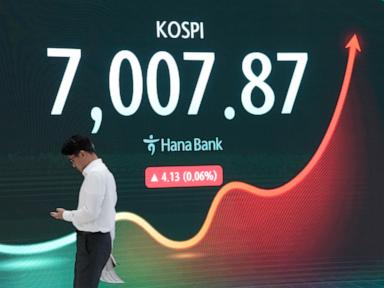
When Wall Street prints gains and crude prices slip, the ripple effects hit trading floors from London to Tokyo almost instantly. You've probably watched headlines bounce between soaring equity indexes and erratic energy costs, wondering how these macro forces actually impact your portfolio. The mechanics are straightforward once you strip away the financial jargon. Lower oil takes the immediate pressure off inflation, giving central banks room to breathe, while risk appetite spreads across international borders.
The Energy Connection to Stock Valuations
Energy is the hidden tax on every single sector of the global economy. When crude prices slide, production costs drop for manufacturers, logistics companies pass fewer expenses down the line, and consumers suddenly have extra cash in their pockets. You see a direct correlation between retreating oil futures and renewed confidence on trading desks. Wall Street responds well to cheaper energy because it acts as a natural buffer against stubborn consumer price indexes.
Yet, looking at oil in isolation misses the broader chess match. Markets operate on sentiment and forward-looking data. When energy spikes—often driven by Middle Eastern supply disruptions or geopolitical tensions—equity indexes wobble immediately. When those same prices retreat, a wave of relief buying pushes global shares upward.
Why Global Exchanges Follow Wall Street's Lead
It's tempting to think local economies operate independently, but U.S. market momentum sets the tone worldwide. If the S&P 500 or the Dow string together solid sessions, international capital flows follow suit. European and Asian bourses frequently take their cues from New York's closing bell.
Of course, local vulnerabilities still matter. If a major regional index is heavily weighted in technology or semiconductor stocks experiencing a correction, overseas markets might decouple from Wall Street's optimism. You have to look beneath the headline index numbers to see what is actually driving the movement. Mega-cap tech names and chipmakers carry enough weight to drag down an entire exchange, even if traditional industrial and financial sectors are having a green day.
Navigating Market Volatility As a Retail Investor
Trying to time these daily market swings is a fool's errand. When global shares advance on the back of falling commodity prices, the knee-jerk reaction is to chase momentum. Smart investors do the opposite. They check their asset allocation and look for quality businesses that benefit structurally from lower input costs.
Keep your focus locked on the bigger picture. Interest rate trajectories, corporate earnings season realities, and geopolitical flashpoints will keep the market choppy. Don't let daily noise dictate your long-term strategy. Rebalance your holdings periodically, keep some cash ready for inevitable pullbacks, and ignore the panic driving the 24-hour financial news cycle.