Small businesses get hit with absurd requests all the time. Prank calls happen. Fake party orders drain resources. Most of the time, local owners just absorb the loss, curse under their breath, and move on. But every once in a while, a malicious prank backfires completely on the perpetrator and turns into an absolute triumph for the neighborhood.
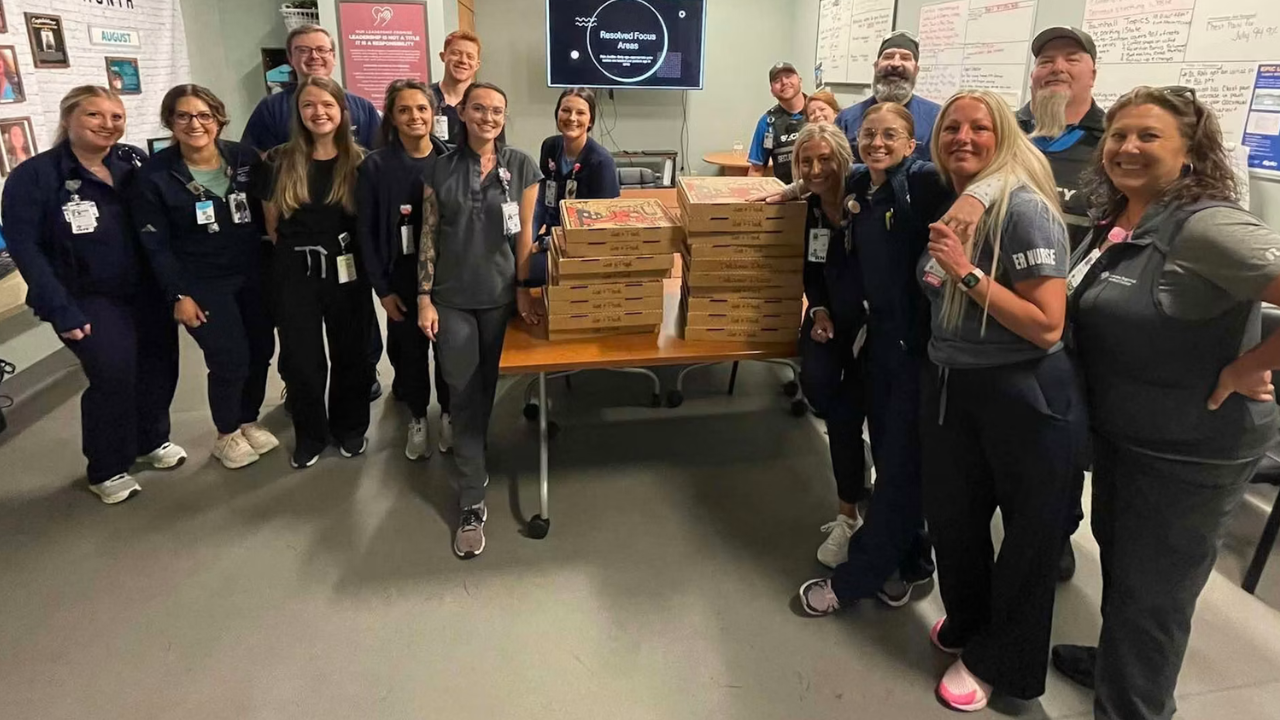
That is exactly what happened when a Wyoming pizza shop was slapped with a bogus $300 delivery. Instead of letting eighteen fresh pies go to waste in a cardboard stack on the counter, the owners pivoted instantly. They loaded up their cars and drove straight to the local hospital. Healthcare workers knee-deep in grueling shifts suddenly found themselves on the receiving end of an unexpected, massive feast.
If you run a food business, you know the sting of a ghost order. It costs dough. Literally. But the way this particular shop handled the crisis offers a masterclass in community resilience. Let's look at how local eateries can flip malicious pranks into massive goodwill, why community support matters more than ever, and what we can learn from this viral act of kindness.
The Reality of Ghost Orders In The Restaurant Industry
Phantom orders aren't just annoying. They hurt. When someone places a fake $300 ticket, they are stealing time, labor, and expensive ingredients from a small business owner who likely operates on razor-thin margins.
Independent restaurants don't have corporate safety nets. Every single box of mozzarella, every pound of pepperoni, and every hour of labor accounts for real money. Margins in the restaurant world often sit below ten percent. Take a hit on an $300 ticket, and you are basically wiping out a chunk of the daily profit.
Pranksters think it is funny. They assume the restaurant just throws the food away and yells at the wall. They forget that real people work in those kitchens. They forget that food is meant to be eaten, not weaponized for a cheap laugh.
Yet, the best operators refuse to play the victim. They look at the inventory sitting on their prep tables and ask a different question. How do we salvage this?
Turning A Malicious Prank Into Hospital Fuel
Instead of wallowing in frustration, the team behind the Wyoming pizza shop made a quick executive decision. Eighteen large pizzas were already baked, boxed, and sitting under the heat lamps. Throwing them in the dumpster was never an option.
They packed the hot boxes into delivery vehicles and headed over to the nearest medical facility. Hospitals run around the clock. Nurses, doctors, and support staff rarely get a proper lunch break, let alone a hot, fresh meal delivered right to their department.
Imagine walking into a chaotic emergency department or a tired nursing station carrying eighteen hot pizzas. The fatigue in the room vanishes. People smile. Morale spikes instantly.
This is where the psychology of small business shines. The prankster wanted to cause chaos and financial pain. Instead, they accidentally funded a morale-boosting party for frontline healthcare workers. Karma moved fast that day.
Why Community Resilience Wins Every Time
People love local businesses because of moments like this. A corporate chain might have strict waste policies that force employees to trash uncollected food. An independent local shop has the autonomy to make a human choice in real-time.
When you support local spots, you are backing people who live in your zip code. They coach Little League teams. They sponsor local events. And when someone tries to sabotage them with a fake order, they find a way to feed the people who keep the community alive.
The internet caught wind of the story quickly. Social media loves redemption arcs. Photos of hospital staff holding pizza boxes spread across local feeds, turning a cowardly prank into a PR win that money cannot buy. No marketing agency could have engineered a better brand alignment.
You cannot buy that kind of authentic local love. It has to be earned through action.
Protecting Your Favorite Local Spots
If you want to make sure your favorite neighborhood eateries survive the occasional bad actor, you can take a few concrete steps.
First, prep-pay your large orders. Most reputable shops now require credit card authorization over the phone or online for anything over a certain dollar amount. It cuts down on prank calls entirely.
Second, tip well. If you order delivery, remember that drivers absorb the friction of the shift.
Third, share the good news. When a local business does something right, post about it. Leave a positive review. Tell your neighbors.
The Wyoming pizza shop didn't ask for national attention. They just wanted to do something decent with a pile of extra food. The next time you order a pie, think about the hands that made it, the margins they operate on, and the simple power of turning a bad situation into a win for the people around you. Support the places that show up for your town, because they are the ones who will always feed you when things go sideways.