The screen goes dark for a fraction of a second before the silence is broken by a low, persistent hum. It sounds like an engine idling in an empty street at three in the morning. Then, the faces appear. They are not the faces of professional actors paid to look concerned under studio lights. They are the faces of people carrying a heavy, invisible anchor through every grocery store aisle, every family dinner, every sleepless night.
In the political arena, campaigns are usually fought with spreadsheets, polling data, and sanitized thirty-second spots about tax rates or inflation. But every so often, a piece of communication cuts straight through the noise of strategy and hits something raw and unyielding. This is the story of a political attack ad that did not rely on standard campaign tropes, featuring relatives of a victim of Jeffrey Epstein directly targeting a Republican congressman.
To understand why this particular collision of grief and electoral politics matters, we have to look past the immediate cycle of cable news chyrons. We have to look at how trauma is weaponized, how accountability operates in a system designed to insulate power, and what happens when the personal grief of ordinary citizens collides with the ruthless machinery of a midterm election.
The Anatomy of an Unheard Plea
For years, the public conversation surrounding Jeffrey Epstein was treated as a scandal of high society, private islands, and whispered names in Manhattan penthouses. It was discussed with the detached clinical curiosity of a true-crime podcast. But behind the headlines were human beings whose lives were fractured long before the federal indictments dropped or the prison cell door slammed shut for the final time.
When victims and their families speak out, they are often told to wait. Wait for the investigation. Wait for the legal motions. Wait for the bipartisan committee to issue its report. Waiting becomes a quiet form of erasure.
Consider what it takes for a family member of someone who suffered abuse to step in front of a high-definition camera. They are not stepping into a neutral space. They are entering an arena where every word will be parsed, dissected, weaponized by opposing super PACs, and scrutinized by millions of strangers on social media who treat human misery as a spectator sport. Yet, they do it. Why? Because the alternative is worse. The alternative is invisibility.
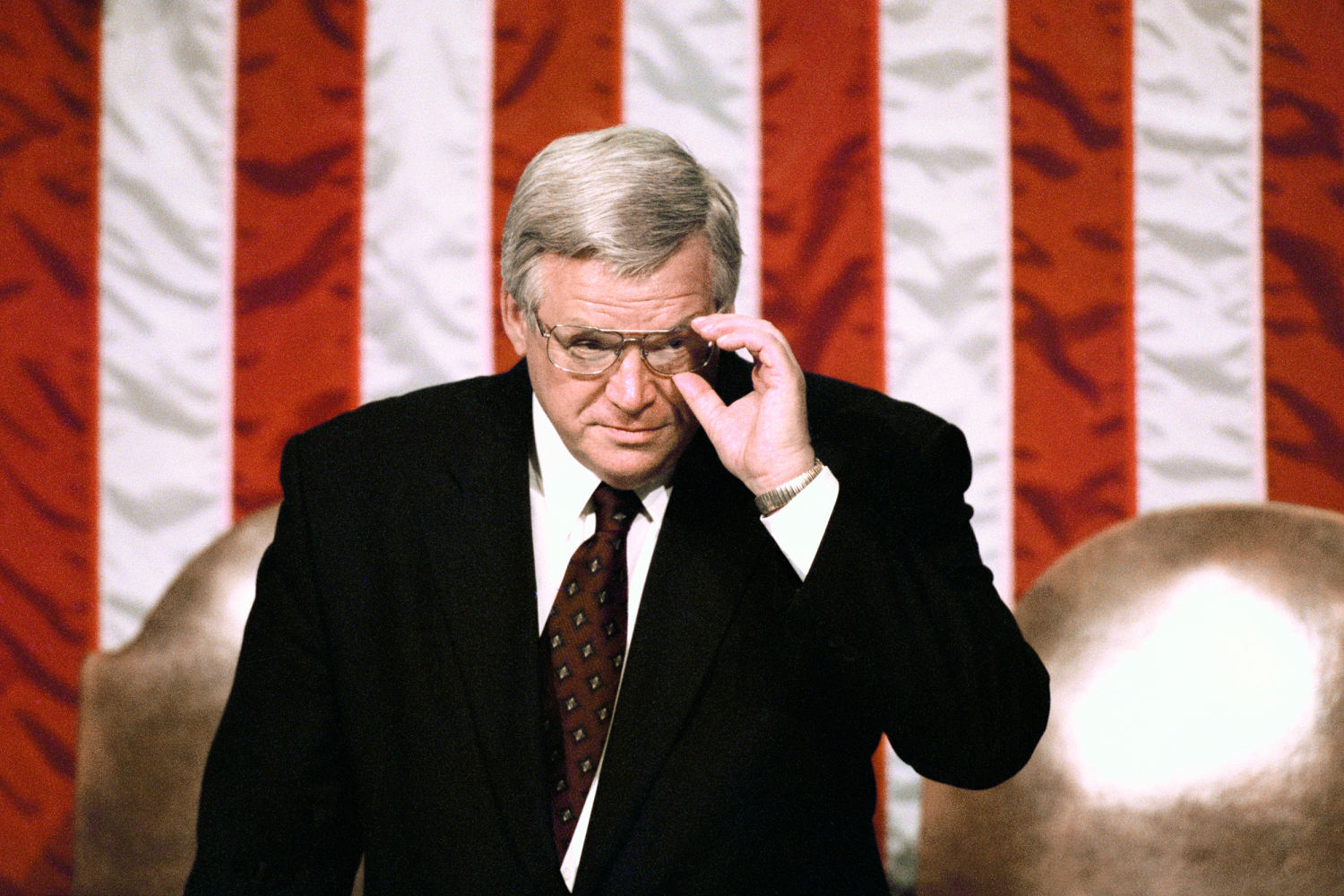
The attack ad in question zeroes in on a Republican congressman, linking past associations, legislative votes, or perceived institutional protection to the broader, festering wound of the Epstein scandal. In political advertising, guilt by association is an old craft. But when the accusers or the relatives of the victims become the narrators, the dynamic shifts entirely. It ceases to be a debate between two opposing political parties. It becomes a moral confrontation.
The Weight of Silence in Washington
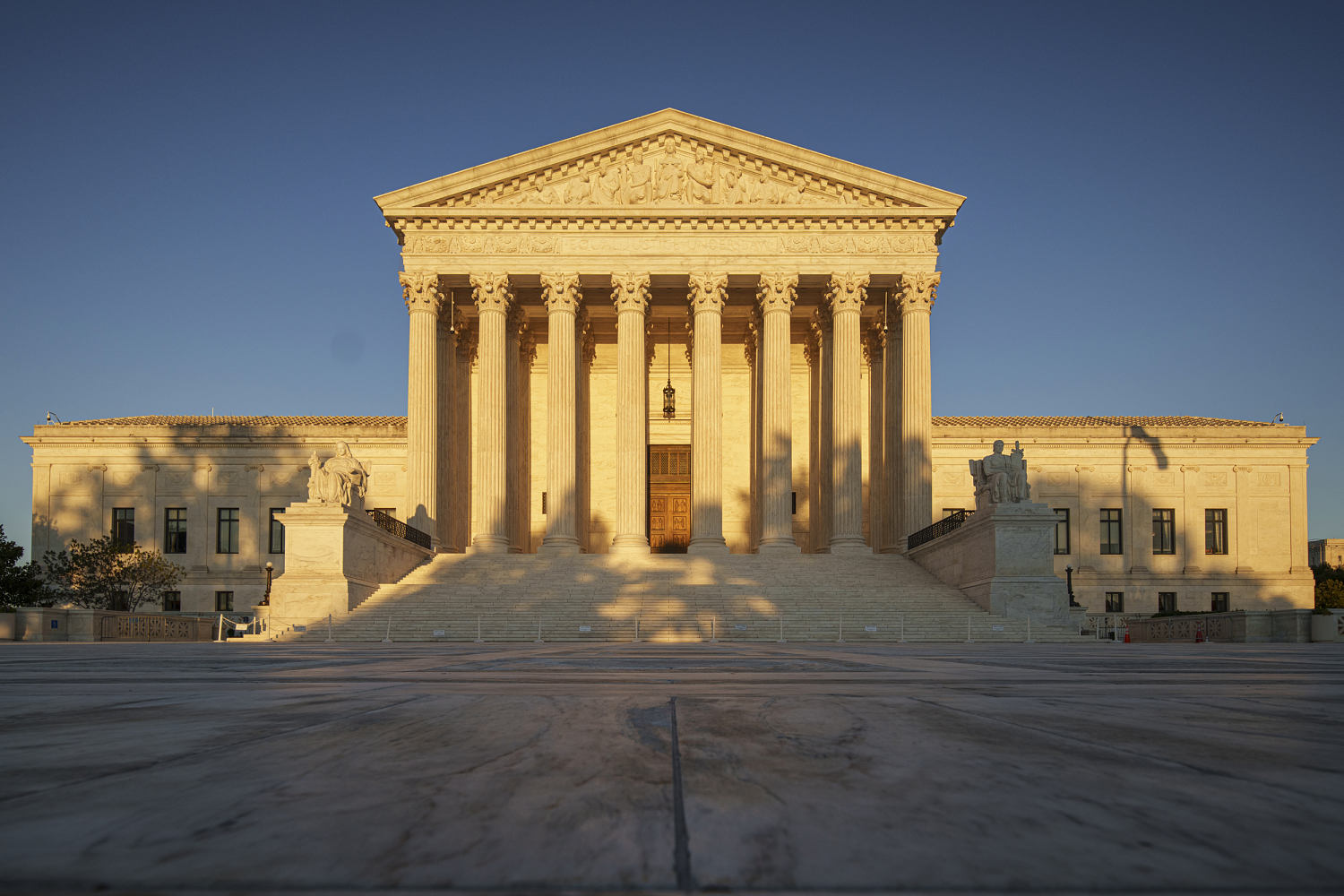
Washington runs on distance. The physical architecture of the capital—the marble corridors, the security checkpoints, the miles of green lawns separating lawmakers from the electorate—is deliberately engineered to create a buffer between consequence and action. A representative can vote on a judicial nominee, ignore a subpoena request, or drag their feet on an oversight investigation, all while sitting in a comfortable leather chair three miles away from the people whose lives were upended by systemic failures.
When an ad features the relatives of a victim, that distance collapses