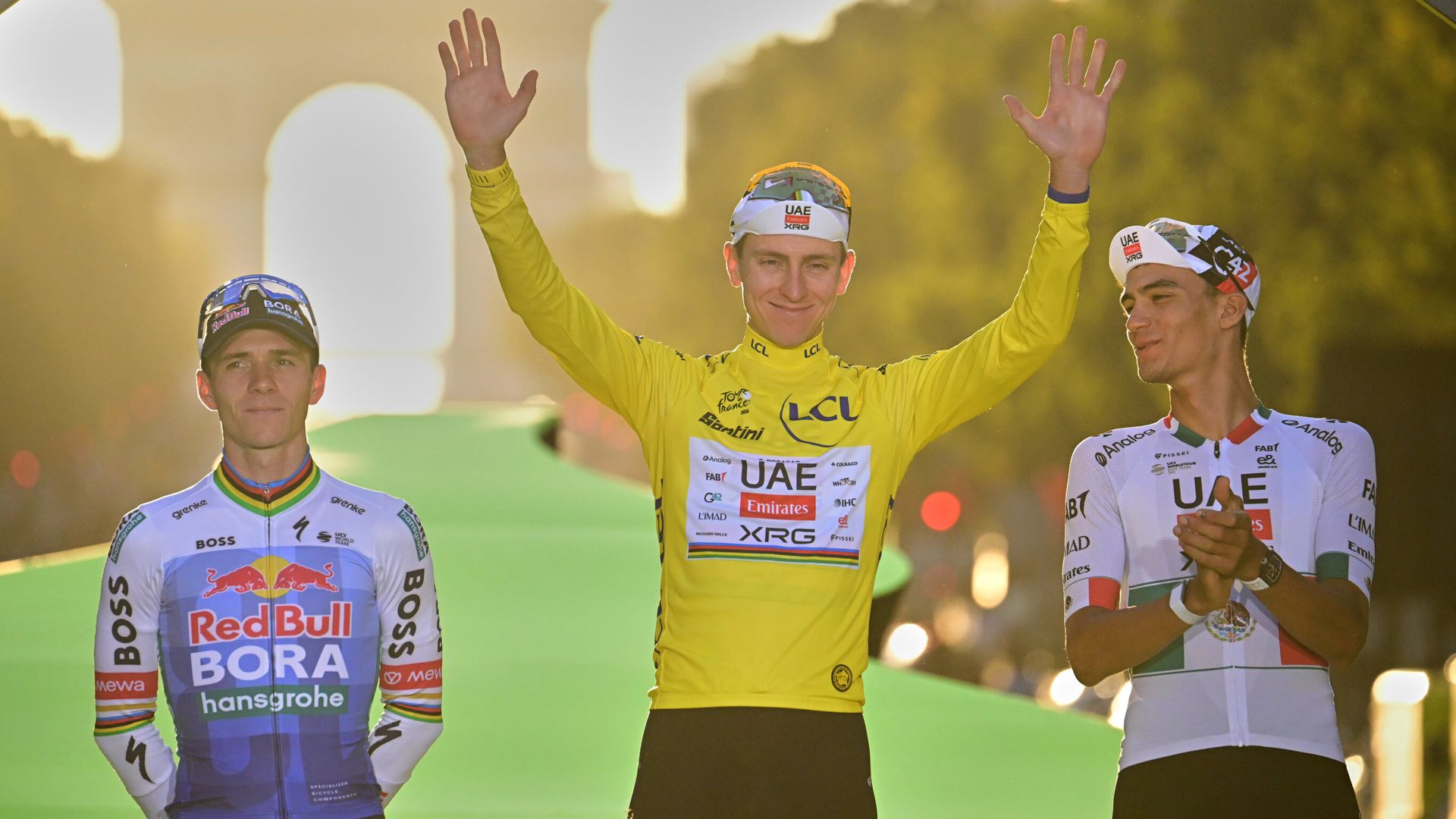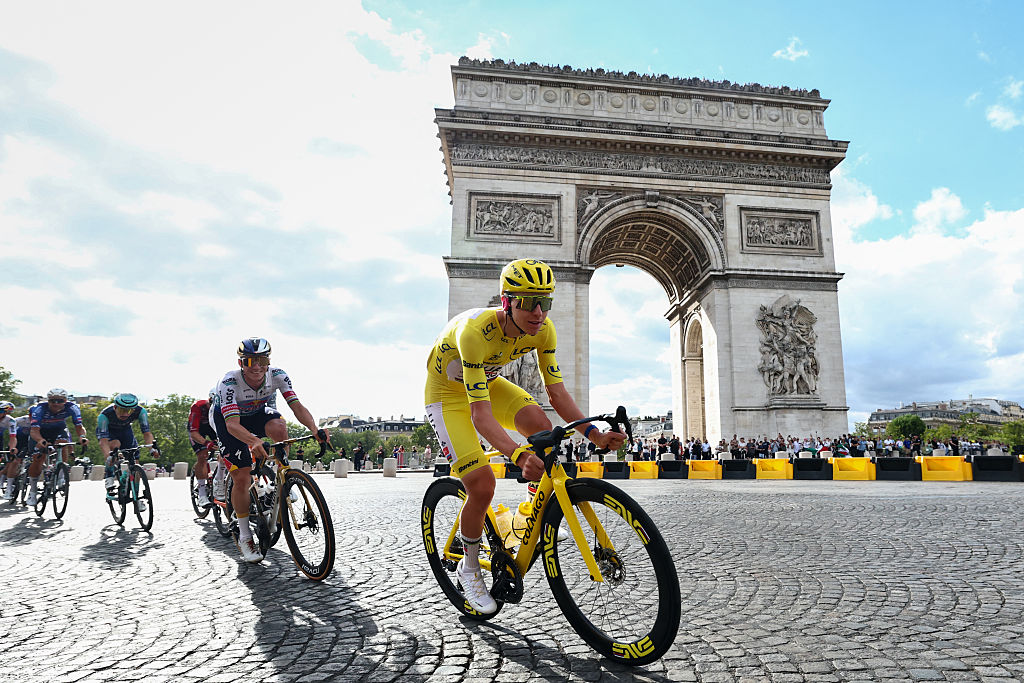
Outdoor sports are running out of luck. When Tadej Pogačar secured his fifth Tour de France victory, the celebration was muted by the acrid smell of smoke and the reality of a shortened final stage. Organizers chopped the traditional route down from 133 kilometers to 89 kilometers, routing riders onto Parisian circuits while emergency responders battled intense wildfires in the country's southwest.
This wasn't a freak anomaly. It was a preview of an athletic future defined by ecological instability.
The Shrinking Margin for Error in Modern Racing
For decades, Grand Tours operated on rigid traditions. Schedules mapped out decades ago assumed predictable European summers. Those assumptions are dead. During this year's race, the average temperature along the course spiked to 87.4 degrees Fahrenheit, shattering historical tracking and pushing endurance athletes past safe biological thresholds.
Stage nine saw a 30-kilometer reduction due to raw heat. Earlier in the month, wildfires in the Pyrénées-Orientales region forced officials to ban promotional caravans and beg spectators to stay away from the final 27 miles of the route.
Cycling is uniquely vulnerable. Unlike a stadium sport contained within a controlled arena, road cycling spans hundreds of kilometers of open terrain. You can't just slap air conditioning on a mountain pass. When a forest fire ignites near the peloton, or when asphalt begins melting under triple-digit heatwaves, organizers face impossible choices between historic pageantry and basic human safety.
How Athletes and Teams Are Adapting to Survival Mode
Elite competitors are changing how they prepare. Teams now rely heavily on aggressive cooling interventions that would have seemed extreme a decade ago. Riders chug upwards of 25 to 28 bottles of water daily, sit in portable ice baths immediately after crossing the finish line, and wear specialized ice vests before rolling out of the starting blocks.
Yet, physiological preparation has limits. Pogačar openly questioned the sanity of racing through peak summer heat in southern Europe, suggesting major calendar shifts. Moving the premier cycling event away from July sounds logical to an exhausted athlete, but it crashes head-first into television broadcast windows, sponsor demands, and the broader global sports calendar.
Tour directors are caught between commercial pressures and mounting medical risks. The Union Cycliste Internationale updated its extreme weather protocols to track wet-bulb globe temperatures, allowing for course modifications or stage neutralizations when heat stress crosses critical boundaries. But protocols only go so far when the underlying environment continues to degrade.
The Economics and Ethics of Climate Disruptions in Endurance Sports
The crisis extends far beyond the riders sweating through their jerseys. Fans attending these events face severe logistical strains, enduring hours under blistering sun or getting locked out of sections entirely due to emergency closures. Meanwhile, local authorities are forced to split resources between managing massive crowds of sports tourists and fighting climate-fueled natural disasters.
A glaring contradiction sits at the heart of the sport. Major fossil fuel conglomerates continue to sponsor cycling teams and races, funding the very infrastructure that promotes an industry driving global temperature increases. Athletes are noticing. Conversations in the paddock increasingly touch on the long-term viability of high-end endurance sports if summer conditions continue to worsen.
If current environmental trends persist, shortening stages and locking fans away from mountain climbs will move from emergency backup plans to standard operating procedure. The question facing sports executives isn't whether climate change will alter elite competition. The question is how long the infrastructure can bend before it completely breaks.
Wildfires will shorten iconic Champs-Elysees final stage of 2026 Tour de France | Beyond the Podium
This video provides an expert breakdown of the historic course adjustments made to the final stage of the Tour de France due to wildfire disruptions.