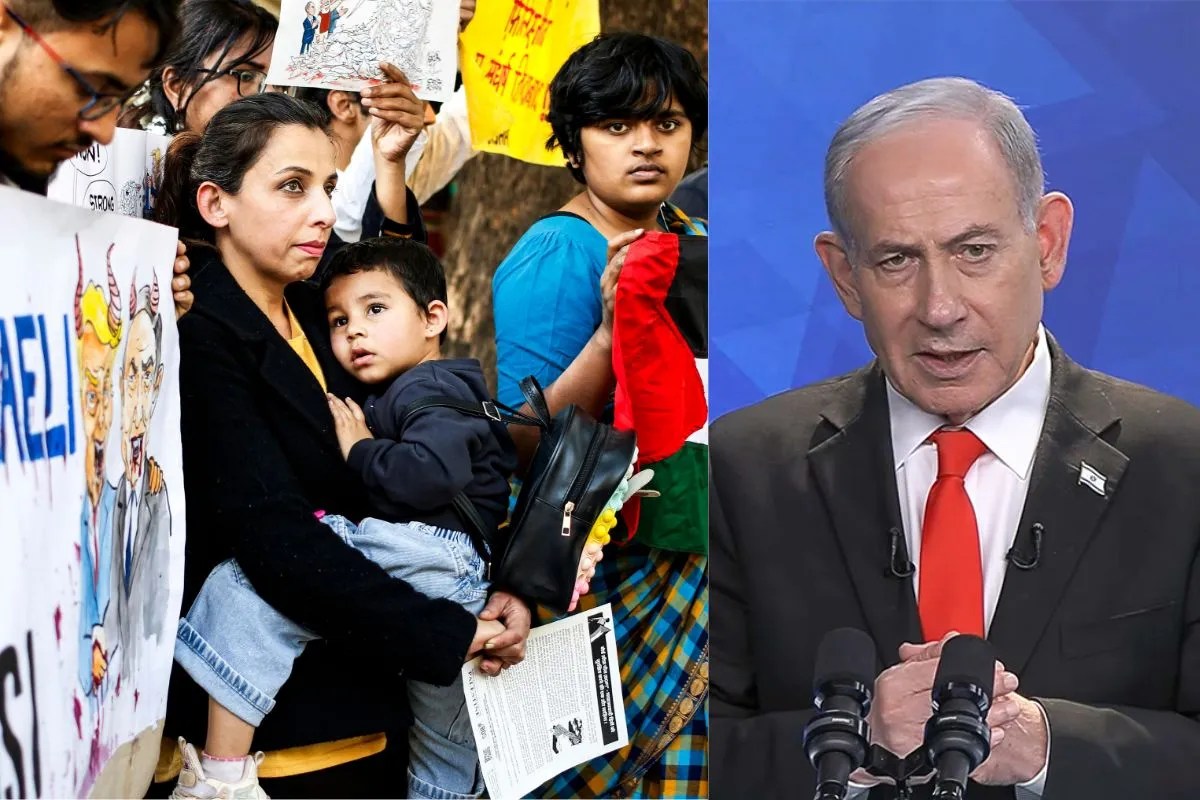
The lines outside Russian diplomatic missions in Berlin, Yerevan, and London stretched for city blocks. Thousands of expatriates stood shoulder-to-shoulder, waiting hours in the spring chill not to endorse an outcome, but to invalidate one. It was the physical manifestation of the "Noon Against Putin" protest strategy—a parting directive engineered by the late opposition leader Alexei Navalny before his death in an Arctic penal colony.
To the casual observer standing in those snaking queues, the atmosphere felt revolutionary. Chants echoed against embassy walls, blue-and-white anti-war flags fluttered overhead, and cameras captured the undeniable reality of an energized, defiant diaspora. Yet, viewing these demonstrations through the lens of traditional democratic optics misses the cold mechanical reality of modern authoritarianism.
Elections inside a consolidated autocracy do not serve the purpose of selecting leadership. They serve as a loyalty census.
When millions of citizens participate in a tightly managed ritual, the state achieves its primary objective regardless of the underlying sentiment: systemic compliance. For Vladimir Putin's administration, the method of the vote matters far less than the volume of the participation. Autocratic survival relies on projecting inevitability. If the populace believes opposition is structurally impossible, resistance quietly withers into private cynicism.
The diaspora protests offered a vital psychological release valve for a fractured, traumatized community of expatriates who fled their homeland following the full-scale invasion of Ukraine. For many, standing in line was an act of moral hygiene—a way to purge the survivor's guilt of watching the war unfold from safe European capitals. But emotional catharsis is a poor substitute for political leverage.
The structural flaw of overseas dissent lies in its geographic detachment. Authoritarian power is maintained through a monopoly on domestic violence, economic patronage, and institutional control within sovereign borders. A disgruntled software engineer waiting outside an embassy in Berlin or a dissident sipping coffee in Tbilisi poses zero operational threat to the security apparatus inside Moscow. The Kremlin does not need the love of its diaspora; it merely requires their absence. By encouraging dissidents to leave the country, the regime successfully outsourced its domestic opposition, draining the internal talent pool capable of organizing disruptive resistance.
Furthermore, Western host governments view these populations through a lens of diplomatic pragmatism and security suspicion. While European capitals grant space for protests, intelligence agencies quietly worry about intelligence infiltration, and immigration offices grapple with the long-term integration of hundreds of thousands of Russian citizens. The diaspora is politically homeless—distrusted by the societies where they now reside and legally hunted or ignored by the state they left behind.
Consider the tactical utility of spoiled ballots or coordinated midday queues. In a transparent democracy, a spike in spoiled votes triggers media scrutiny and political crisis. In the Russian electoral system, ballots are processed through a vertically integrated reporting hierarchy where digital manipulation and administrative padding render raw paper counts largely symbolic. Central election officials simply adjust the final ledger to match pre-determined targets, turning public defiance into background noise in an engineered landslide.
This dynamic exposes the central tragedy of modern Russian opposition strategy. Moral clarity does not translate into political efficacy without institutional friction inside the target state. Symbolic defiance abroad allows foreign media to broadcast images of dissent, creating a comforting illusion of momentum for Western audiences, but it leaves the machinery of power untouched.
As the lines dissolved and embassy gates slammed shut, the reality of the geopolitical map reasserted itself. The autocrat remained entrenched, the war ground forward, and the diaspora returned to the quiet friction of rebuilding their lives in foreign exile, separated from the levers of power that truly dictate the future of their homeland.