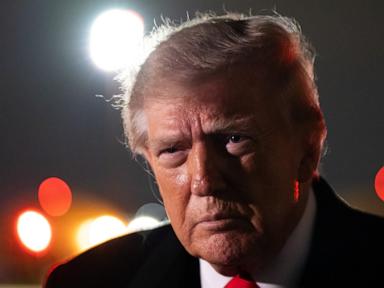
The financial press loves a neat narrative. Feed them a soundbite about geopolitical restraint before an electoral cycle, and they will package it into a tidy, predictable box. The consensus on Donald Trump’s messaging regarding military action against Iran ahead of the midterms was treated by mainstream analysts as standard electoral preservation. The lazy consensus went like this: leaders avoid foreign entanglements when domestic ballot boxes are open to protect their party from oil shocks and casualty counts.
It is a comfortable theory. It is also completely wrong. If you found value in this article, you should look at: this related article.
I have watched desks blow millions trying to trade political timetables based on the assumption that politicians value short-term ballot security over long-term strategic positioning. When dealing with high-stakes international friction, looking at an election calendar to predict military or economic containment strategy is like trying to forecast a hurricane by checking the local parking meter. You are measuring the wrong metric entirely.
Let us dismantle the core premise. The assumption that pre-election rhetoric acts as a hard boundary on executive action ignores the fundamental mechanics of modern crisis management. In reality, statecraft does not pause for domestic voting cycles; rather, domestic political pressure often accelerates preemptive maneuvering. When a administration states that it has "no immediate plans" or signals a temporary holding pattern, the financial markets routinely misinterpret a tactical pause for a permanent
Why Washington Will Always Choose Rhetoric Over Actual Bloodshed For another perspective on this story, refer to the latest coverage from BBC News.
news, business
Every election cycle, the playbook gets dusted off. The drums of war beat a little louder on cable news, foreign policy hawks dust off their old think-tank talking points, and retail traders panic over oil futures because a headline hinted at pre-midterm military strikes. Wall Street treats geopolitical saber-rattling like an inevitable precursor to boots on the ground. That assumption is lazy, historically illiterate, and actively costs people money.
Let us look at the actual mechanics of statecraft rather than the theater designed for evening broadcasts. The lazy consensus states that a beleaguered administration facing a tough midterm will pull the trigger on a major military engagement—specifically against a regional heavyweight like Iran—to rally a fractured domestic base through a surge of flag-waving patriotism.
History disagrees violently.
Realpolitik dictates that prolonged, high-risk military campaigns close to a domestic ballot box are electoral poison. Think back. Modern American electorates do not reward overseas adventurism when inflation is biting and cost-of-living pressures dominate kitchen-table conversations. They punish the instability at the pump that inevitably follows kinetic action in the Strait of Hormuz. A spike in crude prices directly damages the sitting party far faster than any temporary spike in presidential approval numbers from a missile strike.
What markets fail to price in is the vast gulf between deterrence theater and actual offensive mobilization. The former costs next to nothing, satisfies domestic donors, and gives pundits something to scream about for forty-eight hours. The latter requires immense logistical preparation, congressional oversight, and a tolerance for economic shockwaves that modern administrations simply do not possess.
When you hear warnings about imminent pre-midterm strikes, look past the bluster. Ask yourself what the state actually stands to gain versus what it stands to lose. A managed escalation cycle keeps defense stocks ticking upward without risking a catastrophic economic blowback that guarantees a legislative wipeout in November.
Stop trading the noise. The smart money trades the constraint, not the threat.