Geopolitical chess moves rarely happen in a vacuum. When Washington shakes up its diplomatic ledger, people usually look for simple explanations. But the recent decision by the United States to drop Venezuela from its annual list of nations failing to combat drug trafficking represents a massive pivot in foreign policy that catches most casual observers completely off guard.
For nearly two decades, Venezuela sat stubbornly on that blacklist. So why change course now?
The Real Shift Behind the Policy Change
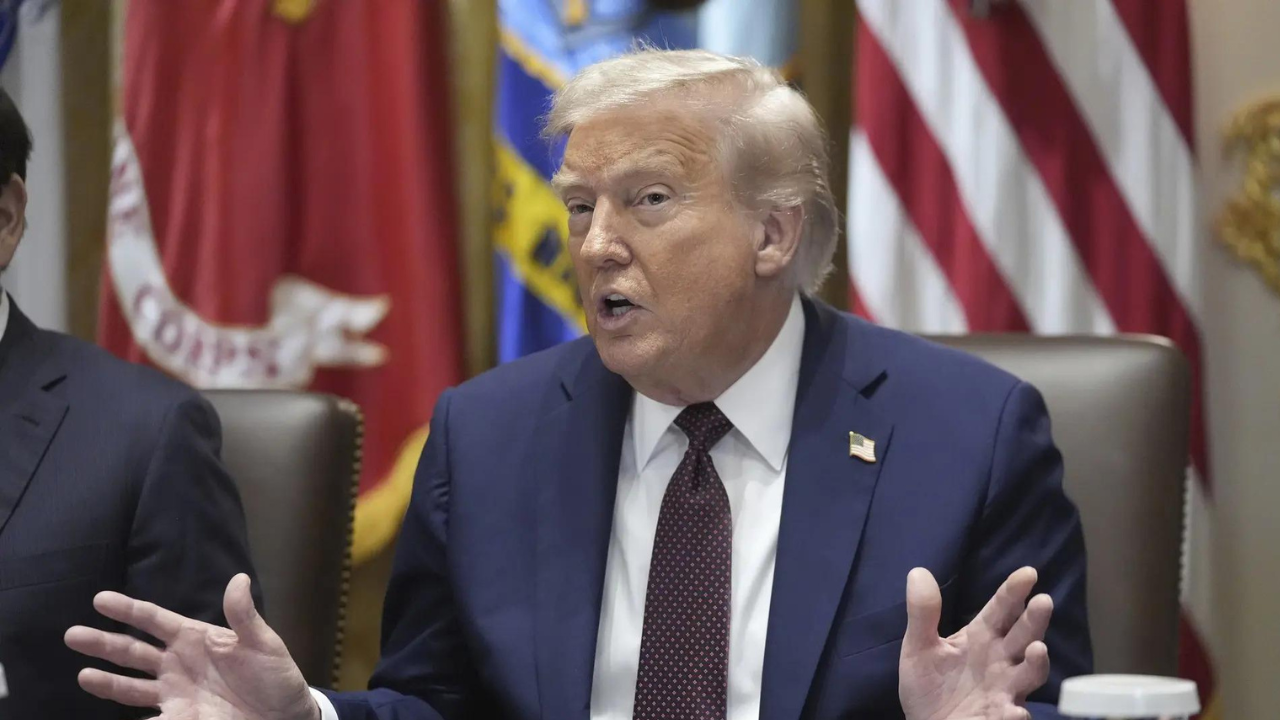
You have to look at the ground-level political reality in Caracas to understand the shift. Following the removal of former leader Nicolás Maduro, the interim government led by Delcy Rodríguez initiated tangible forms of cooperation with American security interests. President Donald Trump explicitly pointed to these positive steps when submitting his administration's formal determination to Congress.
Critics argue that administrative changes at the top don't magically erase a deeply entrenched criminal infrastructure overnight. Yet, the White House clearly decided that diplomatic engagement and newly established energy and security frameworks outweigh keeping the country locked into perpetual isolation.
What This Means for Regional Security
Shifting the designation doesn't mean Venezuela has transformed into an entirely compliant partner. It remains a major geographic transit corridor for illicit cargo moving through the Caribbean. However, the calculus
Why the US Drug List Shift on Venezuela Changes Everything
news
Foreign policy shifts rarely happen in a vacuum. When Washington adjusts how it categorizes a nation like Venezuela regarding international narcotics control, the ripples hit global markets, diplomatic corridors, and local communities almost instantly. Most people miss the underlying mechanics of these decisions, writing them off as routine bureaucratic updates. They're not.
Let's look at what's actually driving these policy pivots, why the rhetoric doesn't always match the reality on the ground, and what this means for the broader geopolitical chess board.
Cutting Through the Diplomatic Noise
When reports surface about Venezuela being moved off or adjusted on official U.S. drug enforcement lists, the initial reactions usually split into two extremes. Critics scream about appeasement. Supporters cheer for a breakthrough in diplomatic channels. The truth sits somewhere much messier.
Governments track narcotics trafficking through a mix of intelligence reports, coast guard interdictions, and regional cooperation metrics. But intelligence isn't static. It shifts based on who sits in the Oval Office, what immediate security crises demand attention, and how desperately Washington needs oil markets to stabilize.
If you've followed U.S.-Latin American relations over the past decade, you know that punitive sanctions and drug-war designations have served as blunt instruments. They sound tough on a campaign trail. They rarely dismantle transnational cartels on their own. Venezuela's geographic position makes it a natural transit corridor for cocaine heading north from the Andes. Changing a label on a paperwork filing in Washington doesn't magically alter the geography of the Caribbean basin.
The Real Drivers Behind Policy Reversals
Why would a U.S. administration alter its stance on a government it spent years isolating? Follow the incentives.
Energy security remains a massive pressure point. Global oil supplies face constant shocks from conflicts in the Middle East and Eastern Europe. When fuel prices spike at home, political leaders get creative about where they source crude. Venezuela sits on the largest proven oil reserves on the planet.
You can't do business easily with a state completely locked down by maximum-pressure narcotics and terrorism sanctions. Adjusting those classifications opens narrow legal pathways for foreign operators, international auditors, and energy giants to step back into the Maracaibo Basin.
Beyond oil, there's the immigration crisis. Millions of Venezuelans have fled their homes over the last ten years, creating severe demographic and political friction across South America and at the United States southern border. Managing that migration requires a working relationship with Caracas. Governments don't deport people back to nations where diplomatic ties are completely severed. Easing certain designations signals a willingness to talk, cooperate on repatriation flights, and establish basic operational channels.
What the Headlines Miss About Cartels and Enforcement
Public debates often treat drug listings as a report card on a country's morality. That's a mistake. These designations are tactical levers.
When a country is placed on a major narcotics blacklist, it triggers automatic financial restrictions, asset freezes, and travel bans. Removing or modifying that status doesn't mean local authorities suddenly stopped illicit trafficking. It means the strategic utility of the sanction has expired or started working against other national security goals.
Law enforcement agencies like the DEA and international counterparts operate on actionable intelligence, not press releases. While politicians argue over labels, maritime interdiction teams and financial intelligence units continue tracking illicit money laundering networks that stretch from Caracas to Madrid and Miami. Those operations don't pause just because a policy memo gets rewritten.
The Economic and Regional Fallout
Neighboring countries in Latin America watch these shifts with immense anxiety. Nations like Colombia and Brazil bear the brunt of regional instability. When U.S. policy toward Venezuela softens, Bogota and Brasilia have to recalibrate their own security and diplomatic strategies.
For ordinary citizens inside Venezuela, high-level policy tweaks rarely translate to immediate relief at the grocery store. Hyperinflation, fractured infrastructure, and basic supply shortages run deeper than any single executive order or international drug list update. Real economic recovery requires systemic institutional reform, transparent elections, and the rebuilding of a devastated private sector. A change in a Washington compliance document is merely a tiny stepping stone, not a cure-all.
Where Things Go From Here
If you want to track where this relationship is heading, ignore the partisan spin and watch the commercial licenses. Look at whether multinational energy firms start drilling new wells or if international financial institutions open up basic correspondent banking channels.
Policy changes happen incrementally, often behind closed doors, long before they make the evening news. Understanding the mechanics behind these shifts keeps you from getting distracted by political theater. Keep your eyes on the operational realities on the ground, because that's where the actual story unfolds.