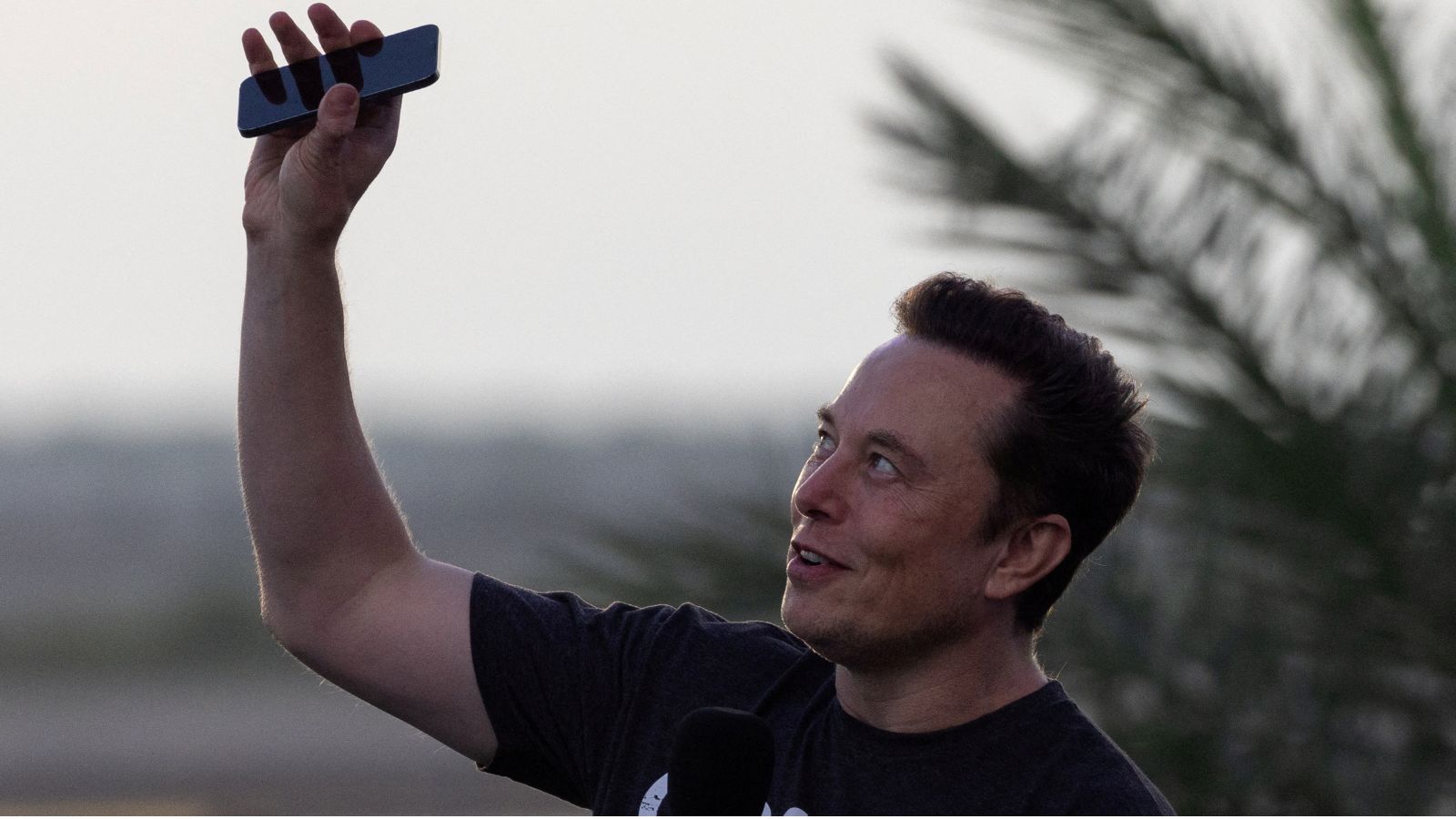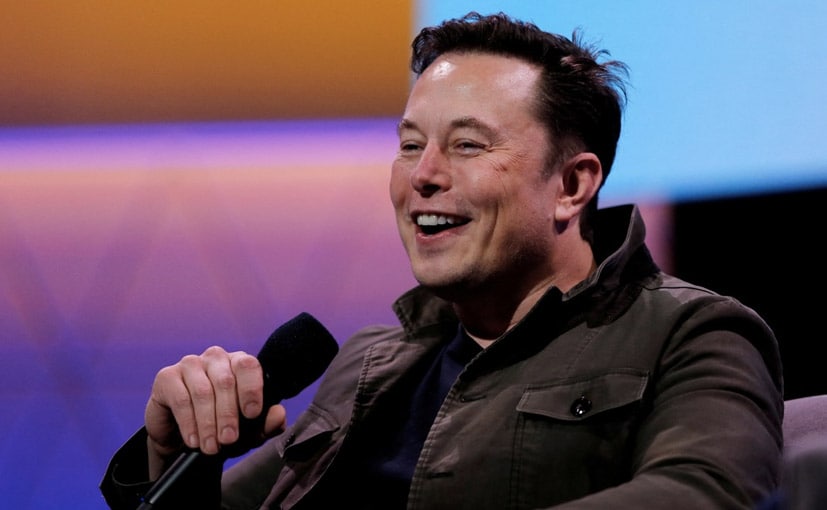
The financial history books just closed a chapter, and honestly, it didn't look like anyone expected. Elon Musk crossed the trillion-dollar net worth mark. It happened because SpaceX launched history's biggest initial public offering on the Nasdaq exchange under the ticker symbol SPCX.
The media is obsessing over the sheer size of the numbers. They're missing the real story. If you think this milestone is just about reusable rockets or rich people getting richer, you're looking at it wrong.
This isn't just a win for space exploration. It's a massive, aggressive reshape of the financial markets that connects your retirement fund directly to Mars ambitions and unproven artificial intelligence tech.
The Math Behind the Twelve Zeros
Let's break down how a person actually accumulates a trillion dollars. It didn't happen by stacking cash in a vault. It's almost entirely tied up in volatile equity.
Before the opening bell, Musk was already hovering around an estimated $813 billion, mostly thanks to his massive stake in Tesla, which sits at a $1.2 trillion market cap. SpaceX priced its IPO at $135 a share, aiming to raise $75 billion. That initial pricing valued the entire aerospace company at roughly $1.77 trillion.
Then trading opened at noon, and things went vertical.
Investors chased the stock immediately. Shares quickly jumped 25% to hit $168.90, peaking near $175 in the first few hours of trading. That surge pushed the total valuation of SpaceX past $2.2 trillion. Because Musk owns a massive majority of the voting shares and a dominant portion of the equity, his personal net worth instantly cleared the $1 trillion mark, landing at an estimated $1.1 trillion according to Forbes.
Why SpaceX Went Public Right Now
SpaceX spent nearly two and a half decades as a private company. It didn't need Wall Street's quarterly scrutiny. It survived on government contracts, private funding rounds, and the cash flow from its Starlink satellite internet network. So why change the game now?
The reality is that building a city on Mars is absurdly expensive. Musk admitted as much during his broadcast from Starbase, Texas, where he joined the ceremonial bell ringing while Elton John’s Rocket Man blared on the Nasdaq floor. The company needs massive capital infusion to fund its next stage: orbital data centers and planetary colonization.
But there's an even bigger cash sink inside the company now: artificial intelligence.
SpaceX recently absorbed xAI, Musk's artificial intelligence startup behind the Grok chatbot. Building the infrastructure for advanced AI requires an astronomical amount of money. The company spent billions constructing massive, power-hungry data centers. Look at the numbers from the investor prospectus:
- 2025 Revenue: $18.7 billion
- 2025 Operating Loss: $4.3 billion to $4.9 billion
SpaceX is losing serious money because it's building out an unproven concept: launching football-field-sized AI data centers into Earth's orbit. The IPO wasn't a victory lap for a highly profitable business. It was a massive capital raise to keep a cash-burning machine alive.
The Hidden Risk in Your Pension Fund
You might think Musk's wealth doesn't affect you if you don't buy tech stocks. You'd be wrong.
Nasdaq took the unusual step of revising its rules specifically for SpaceX. Instead of waiting the typical period to enter passive investment vehicles, SPCX will be fast-tracked into major index funds within 15 days. It won't hit the S&P 500 immediately, but it's going to flood into major tech indexes and mutual funds almost instantly.
Think about what that means for a second. If you have a retirement account, a 401(k), or a pension plan that tracks the broader tech market, your money is about to be used to buy SpaceX shares at an all-time high valuation.
Traditional economic principles tell us that a company's value should reflect its earnings and cash flow. SpaceX priced its stock at roughly 100 times its 2025 revenue while running a multi-billion-dollar deficit. It's a valuation built entirely on hype, faith in one individual, and a dream of interstellar travel. If the market corrects or the space-based AI data center concept fails, everyday savers will bear the brunt of the drop.
What You Should Do Next
The era of the trillionaire is officially here, and it changes how we view retail investing. If you want to navigate this shift without getting burned, keep these steps in mind:
- Check your exposure: Over the next few weeks, audit your portfolio and retirement accounts. Look closely at any Nasdaq-tracking index funds or tech-heavy mutual funds to see how much exposure you automatically gain to SPCX.
- Separate hype from fundamentals: Don't FOMO into buying individual shares of SpaceX just because of the headlines. A company valued at $2.2 trillion with nearly $5 billion in annual losses is an incredibly volatile asset.
- Watch the AI space race: The massive success of this debut will likely trigger a wave of tech IPOs later this year, with companies like OpenAI and Anthropic already preparing documentation. Watch how the market treats those listings before committing your capital.
The old rules of valuation don't apply when enthusiasm drives the market. Musk's new milestone proves that faith in a future vision can override current financial losses, but smart investors don't let narrative replace risk management.