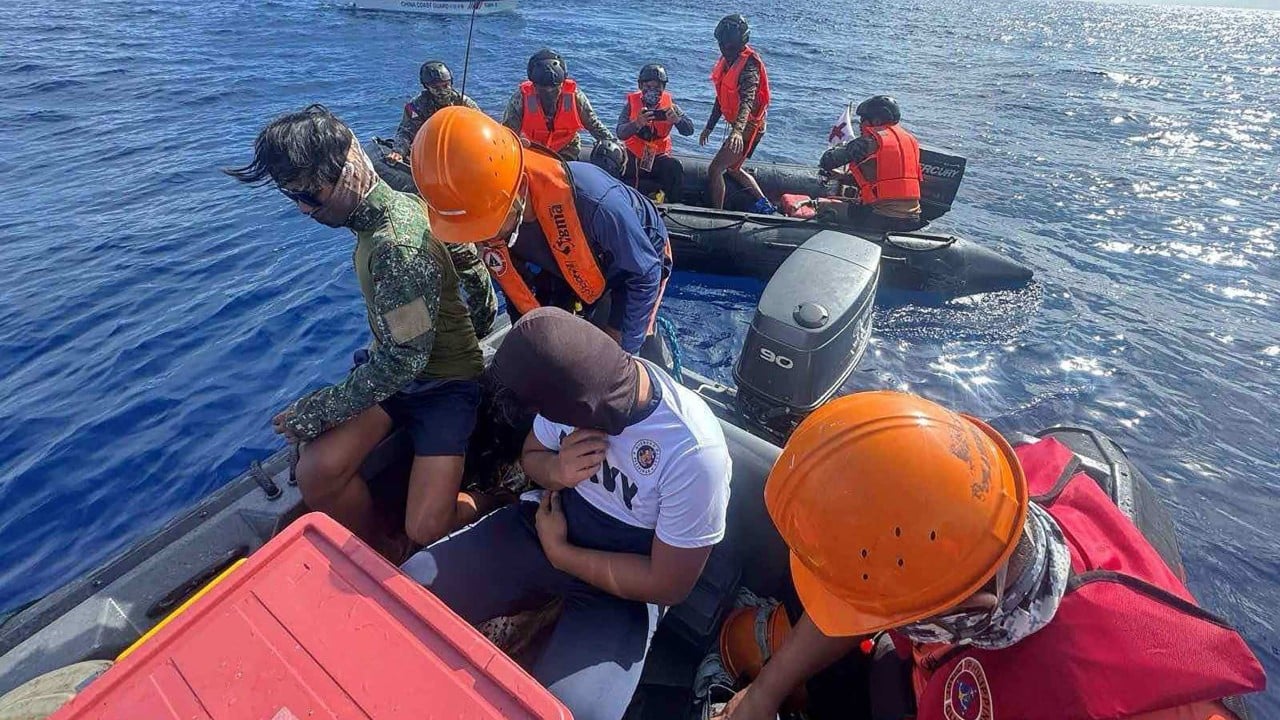
When a routine medical evacuation turns into a high-stakes maritime standoff, you know a region is sitting on a knife-edge. That is precisely what happened when Beijing and Manila locked horns over a mission to evacuate a sick navy personnel from a remote outpost in the South China Sea. Instead of a basic humanitarian courtesy, the incident exploded into another bitter round of mutual accusations, water cannons, and competing narratives.
If you look past the diplomatic posturing, these flare-ups show a dangerous new normal. The waters surrounding contested features like Ayungin Shoal, known internationally as Second Thomas Shoal, aren't just shipping lanes. They are a daily testing ground for regional dominance where even a hospital run becomes a political weapon.
The Anatomy of a Broken Humanitarian Mission
The core disagreement over the medical evacuation highlights a complete breakdown of trust between the Philippine Coast Guard and the China Coast Guard. Philippine authorities stated that their vessels attempting to evacuate ailing naval personnel were deliberately obstructed, delayed, and targeted with aggressive maneuvers.
Beijing told an entirely different story. Chinese spokespersons insisted that they handled the situation with restraint and accused Philippine forces of using a humanitarian pretext to sneak unauthorized supplies or personnel into territory Beijing claims as its own.
Here is what makes these clashes so volatile:
- Asymmetric Tactics: Coast guard cutters, maritime militia vessels, and aggressive water cannon use have replaced traditional diplomatic channels.
- Information Warfare: Within hours of any physical collision or standoff, both capitals release contrasting video footage and sharp statements, trying to win the global narrative before facts are fully verified.
- The Human Cost: Behind the geopolitical chess match are ordinary sailors and coast guard members stuck on rusting, grounded hulls like the BRP Sierra Madre, enduring harsh conditions without reliable access to basic medical care.
Why the Rules of Engagement Are Failing
International law is supposed to protect medical evacuations even during active conflicts. Yet, the 1982 UN Convention on the Law of the Sea and basic humanitarian principles seem to vanish the moment they hit the choppy waters of the Spratly Islands. Beijing's sweeping nine-dash line claims, which were soundly rejected by the 2016 Permanent Court of Arbitration ruling in The Hague, continue to collide head-on with Manila's exclusive economic zone rights.
When China Coast Guard ships deploy water cannons or block passage, they aren't just stopping a supply boat. They are signaling that Beijing holds practical veto power over who lives, works, or gets treated in waters legally recognized as part of the Philippines' maritime zone. Manila, backed by frequent treaty commitments and joint maritime patrols with the United States and Australia, refuses to back down, ensuring that every minor incident risks spiraling into a broader military crisis.
The Broader Geopolitical Fallout
These routine confrontations are hardening attitudes across Southeast Asia. While ASEAN nations and Beijing continue agonizingly slow talks on a long-delayed Code of Conduct, the reality on the water moves much faster than diplomacy. The frequency of close encounters, airspace standoffs involving military aircraft, and an expanding Chinese maritime presence mean that a miscalculation by a single ship captain could trigger Washington's mutual defense obligations.
Until both sides establish functional hotlines and genuinely respect basic humanitarian exceptions like medical evacuations, the South China Sea will remain one of the most dangerous flashpoints on earth. The next crisis won't wait for a treaty. It is already brewing over the next horizon.