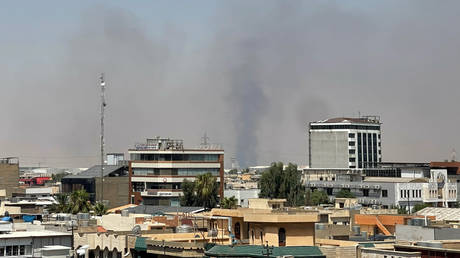
Violence in the occupied West Bank has reached a critical boiling point. Reports of violent encounters leaving Palestinians dead after confrontations involving Israeli settlers highlight an ongoing cycle of destruction that continues to destroy lives and shatter any lingering hopes for regional peace.
When attacks occur in towns like Jit, Huwara, or Turmus Ayya, the immediate headlines focus on the tragic body count. Five killed here. Three injured there. Homes burned to the ground. But focusing solely on isolated incidents misses the structural crisis unfolding across the Palestinian territories.
The reality on the ground isn't just about sporadic clashes. It's about systemic displacement, state-backed impunity, and an environment where extreme violence goes almost entirely unpunished.
What Drives the Surge in West Bank Violence
The ongoing escalation didn't happen in a vacuum. Over recent years, political shifts inside Israel have emboldened radical groups within the settlement movement. Far-right politicians holding key national security portfolios have openly encouraged settlement expansion and minimized violence directed at Palestinian communities.
When armed civilians enter villages, set fire to property, and clash with locals, the line between military action and civilian violence blurs quickly. Human rights groups like B'Tselem and Human Rights Watch have documented hundreds of incidents where security forces stood by—or actively participated—during settler raids.
This total lack of legal accountability fuels further aggression. If perpetrators know they face almost zero risk of arrest or prosecution, attacks inevitably repeat and intensify.
The Human Impact Beyond the Headlines
Statistics don't tell the full story. Behind every recorded death is a family ripped apart and a community living in constant terror.
Palestinian farmers frequently find their olive groves torched or chopped down right before harvest. Shepherding communities face daily intimidation aimed at driving them off their ancestral land. For thousands of families, sleep is interrupted by fear of midnight raids, vandalized cars, and shattered windows.
This constant threat transforms daily life into an endurance test. Children grow up under the shadow of violence, watching their parents unable to defend their homes or livelihood.
International Pressure and the Accountability Deficit
World leaders routinely issue statements condemning extremist violence in the West Bank. The United Nations, the European Union, and the United States have all repeatedly called for restraint and legal action against those responsible for violence.
Some Western governments went a step further by imposing targeted sanctions on specific individual settlers and extremist organizations linked to violence against Palestinians. While these sanctions mark a significant diplomatic shift, local residents and human rights advocates argue they fall far short of what's required.
Sanctioning a handful of individuals does little to address the broader infrastructure that enables settlement expansion and physical displacement. Without enforcing real consequences, diplomatic statements do little to protect vulnerable communities on the ground.
Concrete Steps Needed to Halt the Escalation
Stopping the violence requires moving beyond basic public statements and taking clear, enforceable actions.
- Enforce Equal Prosecution: Israeli legal authorities must investigate, arrest, and prosecute all individuals who participate in vigilante violence, regardless of their background or political status.
- Expand Targeted Sanctions: International partners need to broaden sanctions against entities and leaders who fund, encourage, or organize attacks against Palestinian communities.
- Protect Vulnerable Villages: Independent international monitors and civilian protection teams should be granted access to high-risk areas to document abuses and deter aggression.
- Condition Military and Financial Assistance: Foreign governments providing military funding should explicitly tie aid to full compliance with international human rights standards in occupied territories.
Without immediate, decisive action, violent clashes in the West Bank will continue to claim innocent lives, destabilize the region, and entrench a human rights catastrophe.