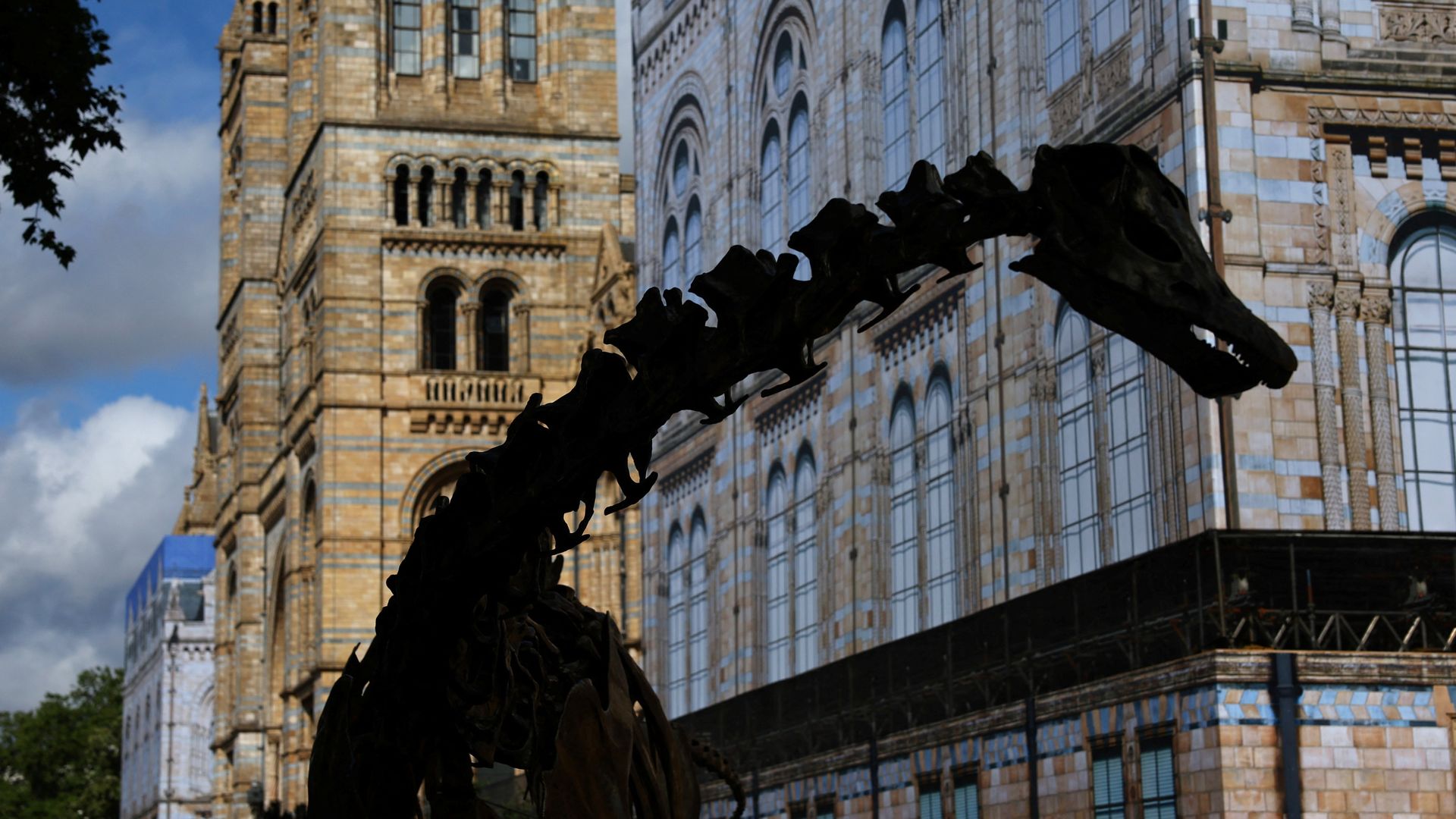
You can walk straight off the street into the British Museum or the Natural History Museum without pulling out a credit card. That rare perk isn't changing anytime soon. The UK government officially ruled out charging overseas visitors to enter England's national cultural institutions, shutting down a proposal that had sparked months of industry anxiety.
The decision follows a review led by veteran politician Margaret Hodge, which floated the idea of introducing an international tourist surcharge to help cash-strapped cultural venues. Instead of moving forward with ticket gates for foreigners, culture secretary Lisa Nandy reaffirmed that access will remain universal. For an alternative view, consider: this related article.
For anyone who cares about cultural accessibility, it's a massive relief. But looking at the numbers behind free admission reveals why this policy matters far beyond a simple tourist perk.
The Economic Proof Behind Universal Access
Free entry to England's 15 national museums isn't a new experiment. The policy launched back in 2001, and the data paints a very clear picture of its impact. Over the past quarter-century, visitor numbers across these institutions skyrocketed by 96 percent. In 2025 alone, the Natural History Museum pulled in over 7.1 million visitors, cementing its spot as a global heavyweight. Related analysis on this matter has been provided by NPR.
Critics of free admission often argue that it leaves money on the table. Yet, data compiled by organizations like the Association of Leading Visitor Attractions shows that institutions dropping fees back in 2001 saw attendance jump more than double the rate of places that kept charging.
Massive footfall changes how these spaces operate. When millions of people walk through the doors, they spend money elsewhere. Cafes, gift shops, special ticketed exhibitions, and voluntary donation boxes rake in substantial revenue. Overseas visitors accounted for nearly 20 million visits in recent tracking years. If you slap a fee on international travelers, you risk choking off the very crowds that fuel ancillary spending.
Navigating the Real Financial Crunch
While keeping doors open to everyone is great news for travelers, it doesn't solve the underlying budget crisis facing British culture. Museum directors have spent years warning that state funding fails to keep pace with soaring operational costs, inflation, and building maintenance.
Universal free entry protects the permanent collections, but it places immense pressure on institutional balance sheets. Special blockbusters—like major retrospective art exhibitions—still carry hefty price tags for everyone. Museums rely on these temporary shows and private philanthropy to stay afloat.
Charging tourists sounds like an easy fix on paper. Administrative hurdles alone make it a logistical nightmare. Imagine trying to verify citizenship or residency status at the doors of the British Museum, where tens of thousands of people stream through daily. Queues would stretch down the block, and the cost of ticketing infrastructure would eat into any projected profits.
What This Means for Your Next Trip
If you're planning a trip to London or other cultural hubs in England, your itinerary remains straightforward. You don't need to budget for admission fees just to view world-class history and art.
You can drop into the National Gallery or Tate Modern for twenty minutes just to look at a single painting, exactly as intended when the free-access policy began. That low-friction interaction is precisely what turns casual travelers into lifelong culture enthusiasts.
Drop a few pounds in the donation boxes near the exit if you can afford it. Those small contributions help keep the doors open for the next person, ensuring these spaces survive another twenty-five years without locking out the public.