Elon Musk isn't just visiting the Lone Star State anymore. He’s essentially the king of it. For years, the world’s richest man was tethered to Delaware’s strict corporate courts and California’s suffocating regulatory environment. That era is over. As of April 2026, the legal walls that once boxed him in have crumbled, leaving Musk with a level of corporate autonomy we haven't seen in modern American history.
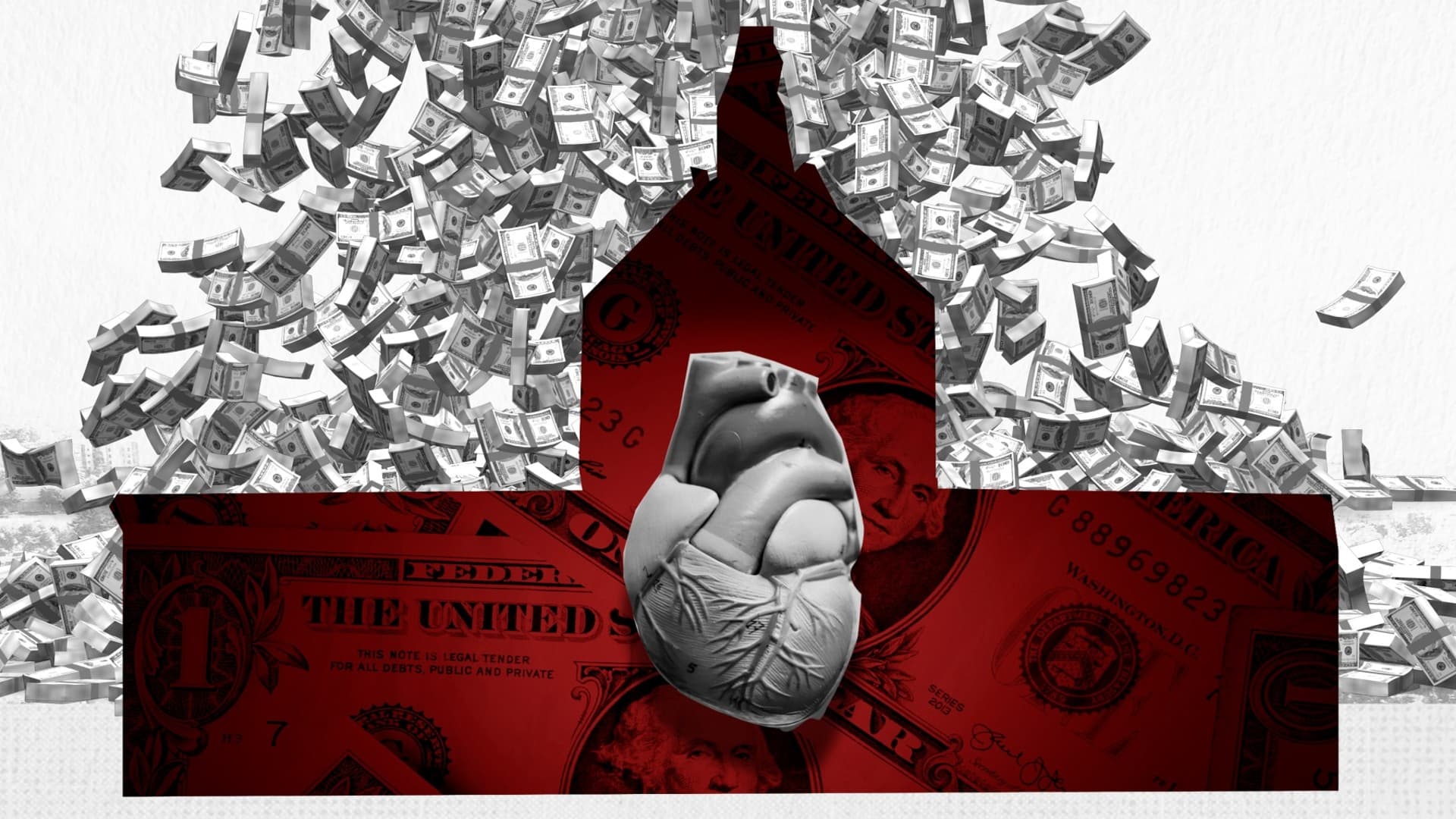
It’s not just about a change of address. Moving Tesla, SpaceX, and X (formerly Twitter) to Texas was a calculated middle finger to the "legacy" systems of the East and West Coasts. If you've been following the headlines, you know the Delaware Supreme Court recently handed him back his $56 billion pay package. That was the final domino. Musk didn't just win; he broke the system that tried to restrain him.
The Death of the Delaware Chain
For nearly a century, Delaware was the gold standard for business. You incorporated there because the rules were predictable. But Musk found them predictable in a way he hated: they actually held executives accountable to shareholders. When a Delaware judge voided his massive 2018 compensation plan in early 2024, Musk didn't just appeal. He initiated a corporate exodus.
By moving Tesla’s legal home to Texas, he moved the goalposts. Texas doesn't have the same century-old body of case law that protects minority shareholders from "superstar" CEOs. In Texas, the business courts are brand new, often staffed by judges who understand the state’s "business first" mantra. Honestly, it’s a total shift in power. Musk is no longer a tenant in someone else’s legal system. He’s the architect of his own.
Why the New Texas Business Courts Matter
Most people missed the most important part of this transition. Texas didn't just welcome Musk; it built a custom-made playground for him. The state recently launched specialized business courts designed to handle high-stakes corporate disputes.
- Faster Rulings: These courts bypass the sluggish general civil system.
- Expert Judges: No more explaining complex stock options to a jury of random citizens.
- Predictable Outcomes: The lean is toward executive freedom, not "fiduciary duty" technicalities.
On April 13, 2026, a Delaware court dismissed several lingering lawsuits against Tesla, ruling that Texas is now the proper venue for these claims. This is a massive victory. It means if you want to sue Musk for how he runs his companies, you have to do it on his home turf. Good luck with that. Texas law is notoriously friendly to management, and the state’s political leadership treats Musk like a national treasure.
The Lobbying Machine in Austin
Musk didn't just move his desk; he moved an entire political engine. During the 2025 legislative session, Musk’s lobbyists were everywhere in Austin. They didn't just ask for tax breaks. They secured laws that specifically protect space operations at Boca Chica and tighten rules around backup power—conveniently favoring Tesla’s Powerwall products.
It’s a symbiotic relationship. Texas gets the jobs and the "cool factor" of being the center of the technological universe. Musk gets a state government that treats his suggestions like legislative blueprints. He’s effectively bypassed the traditional regulatory friction that slows down companies like Boeing or Intel. In Texas, Musk moves at the speed of light because there’s nobody standing in his way.
What This Means for Shareholders
If you’re a Tesla shareholder, you should be both thrilled and slightly terrified. On one hand, Musk is no longer distracted by Delaware judges trying to claw back his net worth. He can focus on FSD (Full Self-Driving) and the Optimus robot program without looking over his shoulder. The reinstatement of his pay package—now worth north of $100 billion—ensures he’s locked in for the long haul.
On the other hand, the "guardrails" are gone. If Musk decides to pivot the entire company into a new, risky venture, there’s no longer a powerful Delaware court to say "wait a minute." You’re betting on the man, not the institution. In the Texas era, Musk is the institution.
The New Reality of Musk’s Freedom
- Corporate Governance is dead: At least the version we used to know. Board independence is a myth when the CEO can move the entire company to a more favorable state on a whim.
- Texas is the new Delaware: Expect a flood of other tech companies to follow the "DExit" (Delaware Exit) blueprint.
- Regulatory Immunity: With X, SpaceX, and Tesla all under the Texas umbrella, Musk has created a fortress. Federal agencies like the SEC or FTC still have teeth, but state-level interference is basically zero.
Musk is finally free to roam, and he’s chosen a landscape that doesn't believe in fences. Whether that leads to a trillion-dollar future or a spectacular burn-out depends entirely on his own self-restraint—something he isn't exactly famous for.
If you’re looking to track how this affects your portfolio, watch the first few rulings coming out of the new Texas business courts this summer. Those decisions will set the precedent for the next decade of corporate law. If they side with Musk on the upcoming "X" advertiser lawsuits, the Delaware era is officially over for everyone, not just Elon.