Dust in the Engine
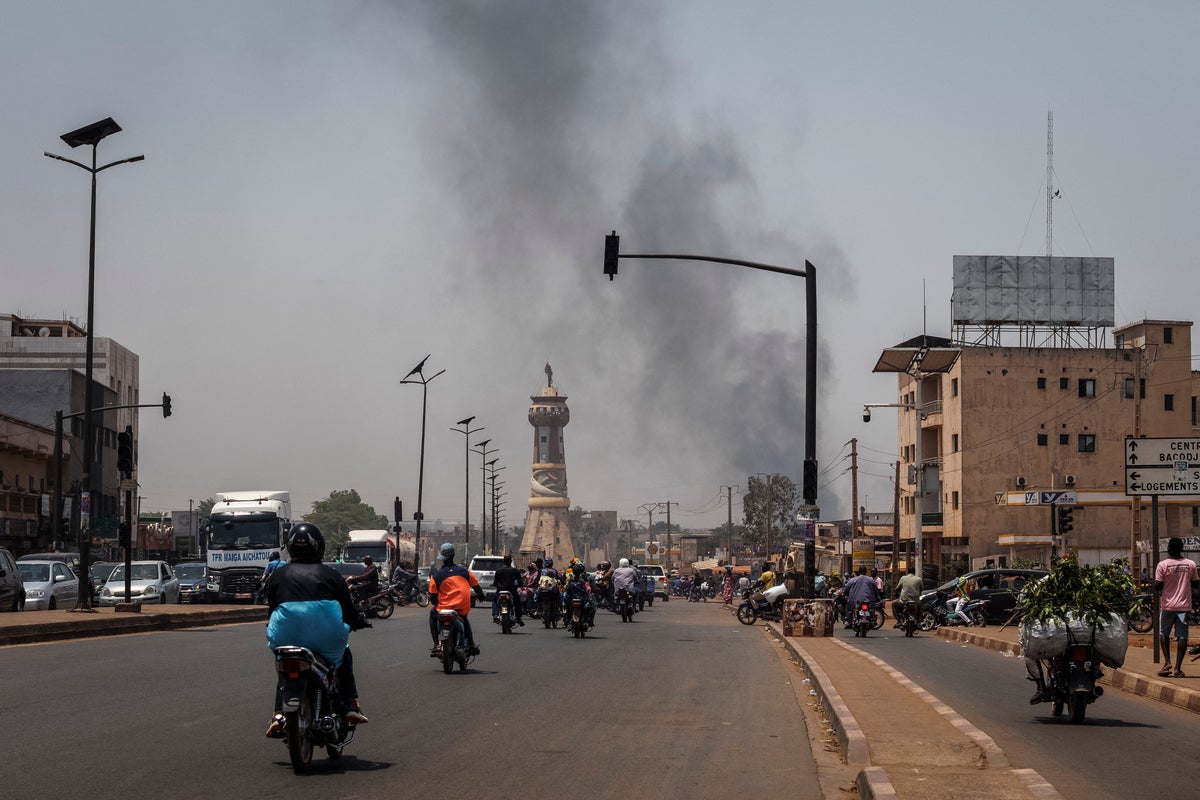
The red dirt of Bamako does not wash out easily. It clings to trousers, settles into the pores of your skin, and turns the engine oil of a transport vehicle into a dark, abrasive paste. Anyone who has spent forty-eight hours on the roads of southern Mali knows that the terrain itself resists simple movement. It grinds down machinery. It slows decision-making to a crawl.
Now, consider a room thousands of miles away, where the air is filtered, cooled, and entirely free of grit.
On a polished hardwood desk sits a briefing document. It details potential air strikes and specialized military interventions across the arid stretches of West Africa. If executed, Mali will become the eighth foreign territory subjected to direct American military force during a single administration—joining a list that already includes Syria, Iraq, Afghanistan, Yemen, Somalia, Libya, and Niger.
To a strategist in Washington, an eighth country is a logistical increment. A minor expansion of operational scope. An extra set of coordinates loaded into a targeting computer.
To a farmer standing in a millet field outside Sevare, hearing the high-altitude whine of an unseen aircraft overhead, it is something else entirely. It is the arrival of a force that operates on logic forged half a world away, carrying consequences that will linger long after the dust settles.
The Arithmetic of Intervention
Eight is a heavy number.
When foreign policy is discussed on television, numbers are treated as abstract milestones. Analysts talk about theater expansions, containment protocols, and kinetic options. They use smooth, rounded words designed to strip away the heat and noise of impact.
Let us strip away the jargon instead.
A Hypothetical Scenario: Picture a local mechanic named Ibrahim working in a small town near the Niger River bend. He has spent two years watching his community fray under competing pressures: local insurgent factions demanding levies, central government forces attempting to maintain authority, and foreign military advisers moving in armored convoys.
When a foreign drone strike targets a suspected insurgent hideout three miles from Ibrahim's shop, the tactical report records a successful strike with minimal collateral disruption. The operational objective was met. The threat vector was reduced.
[Image of hydrogen fuel cell]
What the briefing paper omits is the immediate aftermath. The market closes early. The local police force goes on high alert. The price of fuel doubles overnight because transport drivers refuse to move along the primary highway after dark.
Foreign military intervention rarely arrives as a single, decisive blow. It functions more like a stone thrown into a quiet pond. The impact point is small, but the ripples reach every shore.
Why Mali, and Why Now?
The West African Sahel has turned into one of the most complex security zones on earth. For years, local governments have struggled against a patchwork of militant groups, economic volatility, and ecological shifts that push communities toward conflict over basic resources like water and grazing land.
Washington views this region through the lens of counterterrorism. The logic is simple: prevent extremist groups from establishing fixed bases of operation that could eventually project power outward.
- The Doctrine: Strike early, strike remotely, and keep the footprint small.
- The Reality: Remote strikes rely on intelligence chains that are rarely as pristine as the technology used to execute them.
- The Risk: Every action generates a reaction, often driving local populations toward the very groups the strikes intended to neutralize.
When an administration contemplates adding an eighth nation to its active strike list, it isn't just opening a new operational theater. It is extending an already stretched perimeter of commitments. It is betting that airpower can solve structural political fractures that decades of diplomacy and local governance could not mend.
The View from the Ground
The human mind isn't built to process national security strategies operating across eight simultaneous geographic zones. It understands local reality.
In Bamako, the conversation isn't about American domestic politics or electoral promises. It is about stability. It is about whether the morning market will open without incident.
Foreign military power often operates with a blinding asymmetry. A strike aircraft operates at twenty thousand feet, guided by thermal sensors and satellite links. It sees heat signatures and movement patterns. It does not see history. It does not know that the building next to the target was built by a family that has lived on that plot for four generations.
When those bombs drop, they leave craters in the earth. More importantly, they leave craters in trust.
The Weight of the Pattern
Predictability is a dangerous thing in global affairs.
When intervention becomes the default answer to instability across seven nations, adding an eighth ceases to be a shock. It becomes a routine operational choice. That routine is where the real danger lies.
Consider what happens next: the announcement is made, the strikes are confirmed, and the news cycle moves on within seventy-two hours. The story fades from global headlines, swallowed by domestic economic debates or political controversies elsewhere.
In the Sahel, the news cycle does not move on.
The heat remains. The dust continues to settle on the windshields of broken-down trucks outside Sevare. And the people living beneath those flight paths are left to navigate the long, unpredictable wake of a decision made in a room where the air is always clean.