Pristina is melting down, or so the standard narrative goes. Western wire services love a neat headline about chaos in the Balkans. When opposition politicians start launching poultry products across the legislative floor, foreign desks reach for their favorite clichés about institutional decay, fragile states, and permanent political paralysis.
Let us clear the air. The pearl-clutching over legislative projectiles misses the point entirely. What standard analysts call a crisis is actually a stress test. Building on this idea, you can find more in: The Map of Monsoons and Markets.
The Lazy Consensus on Institutional Order
The conventional media line argues that parliamentary decorum equates to democratic health. If politicians sit quietly in tailored suits, listen to lengthy procedural delays, and maintain polite silence while a coalition stalls out for months, the country is stable. If someone hurls an egg, democracy is failing.
This is historical illiteracy dressed up as political commentary. Analysts at USA Today have provided expertise on this situation.
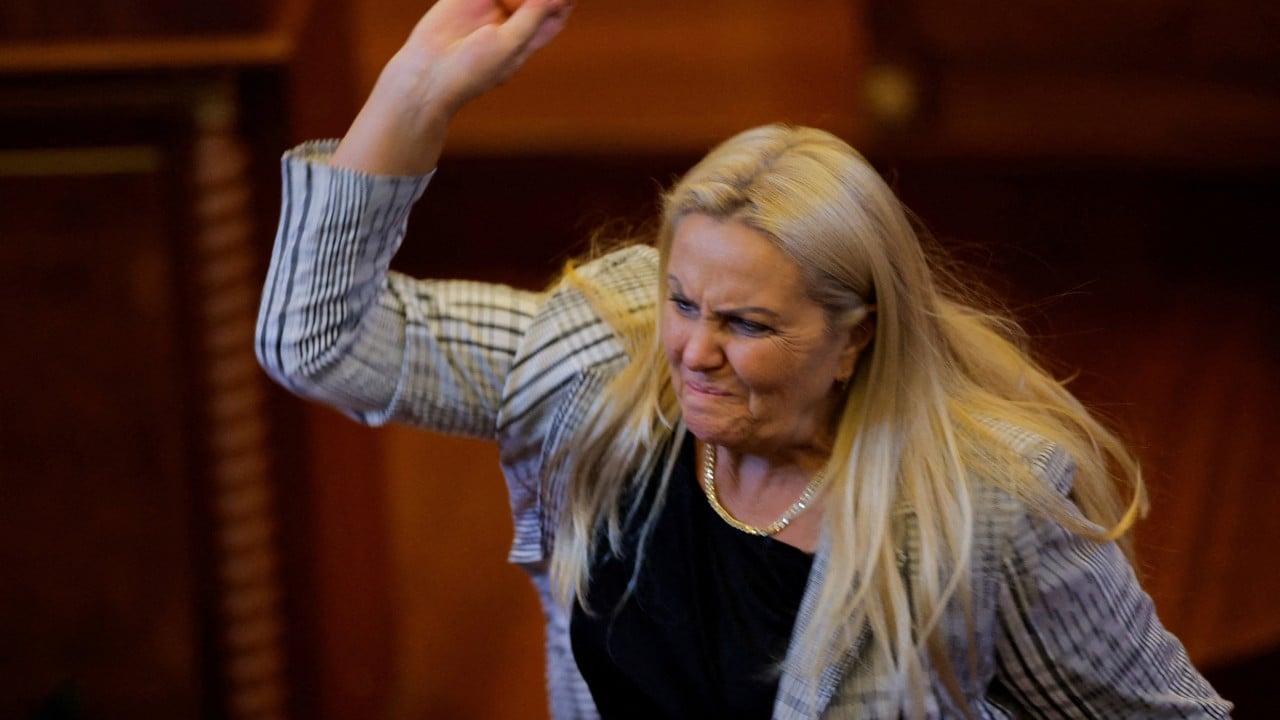
Let us look at the mechanics. Kosovo has cycled through multiple snap elections in a painfully short window. Prime Minister Albin Kurti stood before the assembly requesting yet more time to navigate a deadlocked executive formation process, specifically dodging hard compromises on the presidency. When an opposition MP pulled breakfast from a purse and let fly, the mainstream pundits shrieked.
Why? Because it disrupted the illusion of polite technocratic governance. But polite technocratic governance is precisely what got Europe’s youngest democracy stuck in an endless loop of procedural purgatory.
Karma Is a Kitchen Utensil
Let us inject some baseline historical memory into this conversation. Albin Kurti himself spent the better part of his political career pioneering disruptive protest. Back when his Vetëvendosje movement sat in opposition, parliamentary tear gas canisters and rowdy confrontations were regular features of the house. Kurti did not invent statecraft through compliance; he built his brand on creative obstruction.
When Kurti shrugs off an egging by noting that it is a cheap price to pay for political dialogue, he is entirely correct—even if the irony is thick enough to choke on. Imagine a scenario where politicians are forced to feel immediate physical and social friction for failing to deliver functional governance. No insulated ivory towers. No endless bureaucratic delay tactics that drag out institutional vacuums while the electorate suffers.
The egging is not a sign that democracy is breaking down. It is a sign that the artificial barrier between elite political maneuvering and public frustration has momentarily cracked.
Why Deadlocks Persist
To understand why this happened, we have to look past the yolk and examine the structural flaw at the heart of Kosovo’s system. Proportional representation combined with hyper-fragmented coalitions creates a permanent incentive for veto politics. Parties win plurality blocks, refuse to compromise on high-value executive posts like the presidency, and treat constitutional deadlines as flexible guidelines rather than hard operational constraints.
The lazy question asked by international observers is: "How can Kosovo force its politicians to behave?"
That is the wrong question. The right question is: "Why does the electoral framework reward stagnation?"
When institutional structures make consensus optional and obstruction cost-free, rational actors will obstruct. Asking politicians nicely to reach a grand bargain while the country drifts is a fool's errand. A little protein to the lapel injects immediate stakes back into a system that has divorced itself from urgency.
The Cost of Realpolitik
Let us be completely transparent about the downside of this chaotic style of politics. Legislative brawls and projectile-throwing degrade the state's image abroad, complicate foreign direct investment, and provide easy ammunition for regional adversaries who wish to paint Kosovo as a failed project. Optics matter on the international stage, and looking like a food fight does not draw foreign capital or fast-track European integration milestones.
Furthermore, normalization cannot happen through perpetual theater. At some point, numbers matter. Majorities must be built, laws must be passed, and budgets must be executed without requiring a riot gear backup plan.
Yet, sanitizing the parliament into a silent rubber stamp accomplishes nothing if it only codifies paralysis. Pristina does not need more polite paralysis. It needs a resolution to the executive stalemate that either forces a functional coalition or triggers a clean break at the ballot box.
If it takes a carton of groceries to remind leaders that their constituents are losing patience with endless delays, then consider it an aggressive form of constituent feedback. Stop mourning the loss of decorum when the decorum was just a mask for inaction.
Eggs thrown at Kosovo PM in parliament
This archival footage provides historical context on how legislative disruptions involving projectiles have long served as an extreme form of political messaging within Kosovo's parliament.

/cdn.vox-cdn.com/uploads/chorus_asset/file/22155007/doc_ock.jpg)