The water off the Eastern Cape does not look like a graveyard. In the early morning light, it is a shifting canvas of deep indigo and pale jade, kissed by a salt spray that clings to the skin. To stand on the shore is to feel a primal pull, an ancient invitation whispered by the waves.
We forget, sometimes, that we are visitors here.
On a quiet stretch of coastline in South Africa, the line between our world and the wild ocean is razor-thin. For most of us, the sea is a place of recreation—a weekend escape, a cool reprieve from the heat, a expanse of freedom. We plunge into the surf without a second thought, trusting the horizon. But beneath that sunlit surface lies a complex, ancient ecosystem that operates entirely outside our rules.
Consider what happens when that illusion of safety shatters.
It was a Tuesday when the ordinary rhythm of life was irrevocably altered. A woman entered the surf off Port St Johns, seeking nothing more than the familiar embrace of the ocean. The water was cool. The air was crisp. Every detail was unremarkable until the moment it became unforgettable.
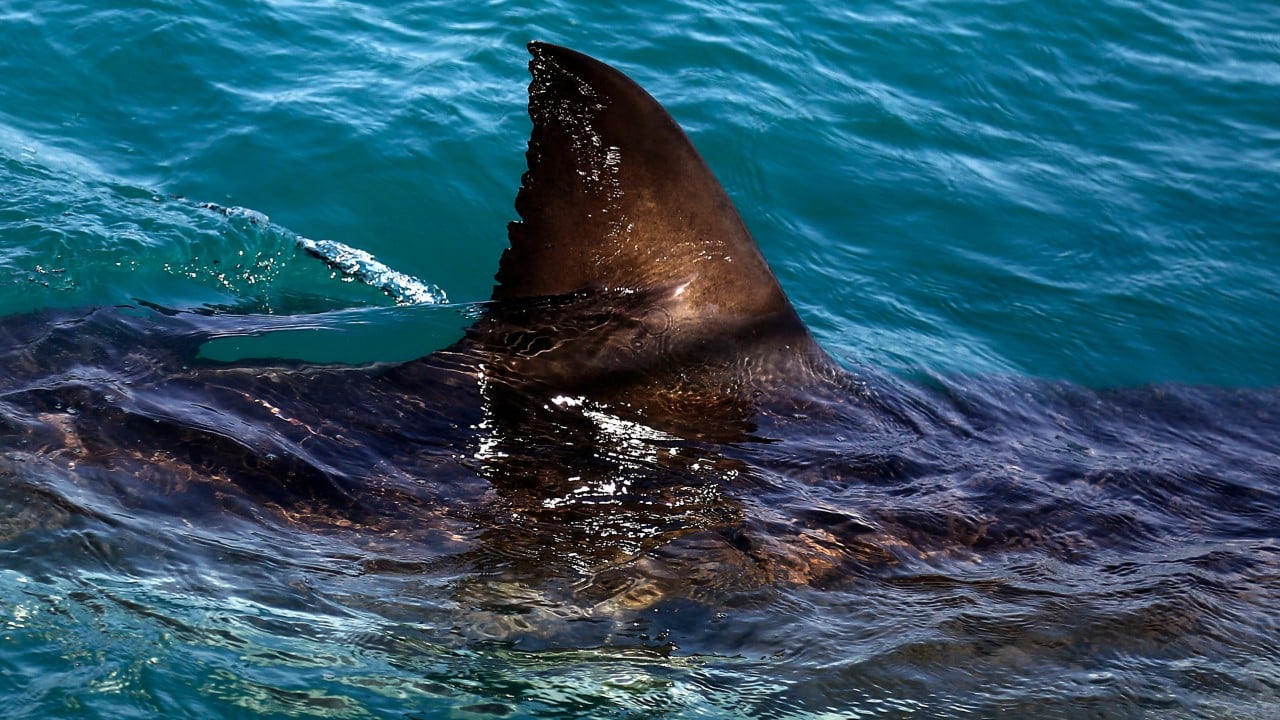
In these waters, apex predators move with silent efficiency. Sharks are not malicious actors in a human drama; they are biological imperatives shaped by millions of years of evolution. To a bull shark or a great white, the coastal shelf is a highway, a hunting ground, a home. When human movement intersects with animal instinct in the murky depths, the result can be catastrophic.
The response from the community was immediate and visceral. Grief does not arrive in neat, organized bullet points. It moves through a town like a shockwave, leaving neighbors staring out at the same blue expanse with new eyes. Questions surfaced, heavy and unanswered. How much do we really know about the creatures moving just yards beyond the breakers? Can safety ever truly be guaranteed where nature reigns supreme?
Local authorities and marine biologists often point to the statistics. Encounters are statistically rare, measured against the millions of safe swims that happen across the globe every single year. Yet, numbers offer cold comfort to a family standing on the sand, watching the rescue boats cut through the foam. Statistics do not bleed. Statistics do not weep.
Instead, we are left to navigate the tension between our love for the wild and the stark reality of our vulnerability. The ocean demands respect. It does not negotiate. It does not care about our schedules, our intentions, or our profound sorrow.
When the sun dips below the horizon, painting the Eastern Cape in shades of amber and violet, the water darkens into an impenetrable black. The waves continue their steady, rhythmic pulse against the shore, indifferent to the lives that touch their edge. The sea remains what it has always been: beautiful, untamed, and entirely indifferent to us.