You cannot keep politics and pop music in separate boxes anymore. When massive stadium tours turn into ideological battlegrounds, everyone has to pick a side. That reality hit the live music industry hard when a string of high-profile departures completely dismantled the supporting lineup of Ed Sheeran's tour.
If you have been following the fallout, you know this wasn't just ordinary backstage drama. It was a full-scale collision between corporate power, stadium politics, and artistic free expression. Let's break down what actually happened, why artists walked away from life-changing money, and what this means for the future of large-scale touring.
How a Single Speech Triggered a Domino Effect
The crisis started heating up when Macklemore took the stage at MetLife Stadium. During his set, the rapper delivered a blunt pro-Palestinian speech, telling a crowd of tens of thousands that the people of Gaza and the West Bank were not forgotten. He explicitly uttered the words "Free Palestine".
That moment set off a chain reaction. Pressure from stakeholder groups and venue figures—including billionaire New England Patriots owner Robert Kraft—led to Macklemore being dropped from the remaining dates of the tour. Promoters and venue operators claimed the rhetoric crossed lines, but the decision to boot him ignited a massive backlash within the creative community.
Instead of letting the controversy blow over, artists immediately began jumping ship.
The Artists Who Walked Away
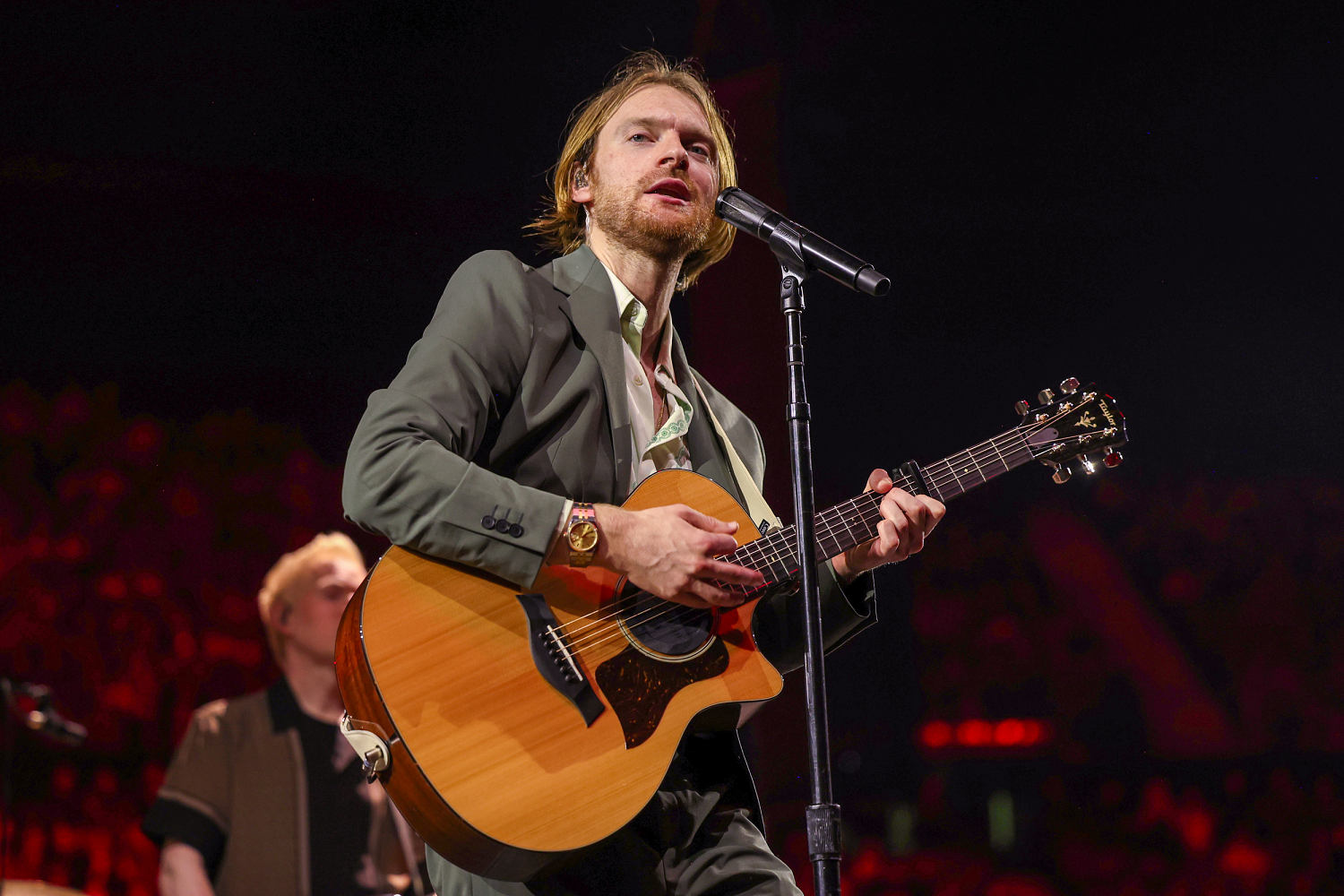
Finneas was among the first major acts to pull out, announcing he would no longer serve as an opening act for upcoming dates. He made his stance clear on social media, stating that artists must not be silenced when they speak up for the oppressed.
Soon after, the exodus snowballed. Irish singer Aaron Rowe and Danish pop band Lukas Graham also abandoned the tour. Rowe pointed directly to his Irish heritage and history with occupation, noting that he couldn't stand by while powerful figures tried to silence voices speaking out against civilian casualties. Lukas Graham echoed that sentiment, emphasizing that a bank balance shouldn't dictate who gets to talk about global suffering.
Even Beoga, the traditional Irish folk band that spent over a decade acting as Ed Sheeran’s backing band, stepped away from the US leg. Watching a primary backing band and every single scheduled opener walk away from a multi-million-dollar stadium tour is almost unprecedented.
Ed Sheeran Caught in the Middle
Ed Sheeran found himself in an impossible PR nightmare. As the face of the tour, he took heavy fire from all directions. Sheeran defended his position by explaining that the decision to drop Macklemore came from promoters and venue owners rather than himself. He tried to thread the needle, stating he spent days trying to build bridges and keep the peace without abandoning his touring crew and musicians who rely on the enterprise for their livelihoods.
Later, during a show in Philadelphia, Sheeran addressed the situation in Gaza directly, calling the ongoing crisis disproportionate and unjustifiable. But for many fans and critics, the damage to the tour's ecosystem was already done. Macklemore leaned into the outcome, noting that the controversy ultimately refocused public attention squarely on Palestine—even launching a dedicated benefit tour shortly afterward.
What This Means for Concerts Going Forward
For years, major touring acts tried to stay strictly apolitical to maximize ticket sales and avoid alienating corporate sponsors or venue owners. That playbook is officially dead.
When venues are owned by high-profile billionaires with skin in geopolitical games, artists realize that silence comes with a moral cost. Opening acts used to view massive stadium slots as non-negotiable career opportunities. When artists like Finneas and Lukas Graham throw away those stages on principle, it alters the power dynamic between corporate stadium owners and creative talent.
Expect concert riders, venue contracts, and artist agreements to face intense scrutiny in the coming years. Freedom of speech clauses and political expression restrictions are going to become major flashpoints. Artists aren't willing to pretend that music exists in a vacuum, and audiences are demanding authenticity over sanitized corporate pop.
The industry will adapt, but the days of sweeping controversy under the rug are over.


