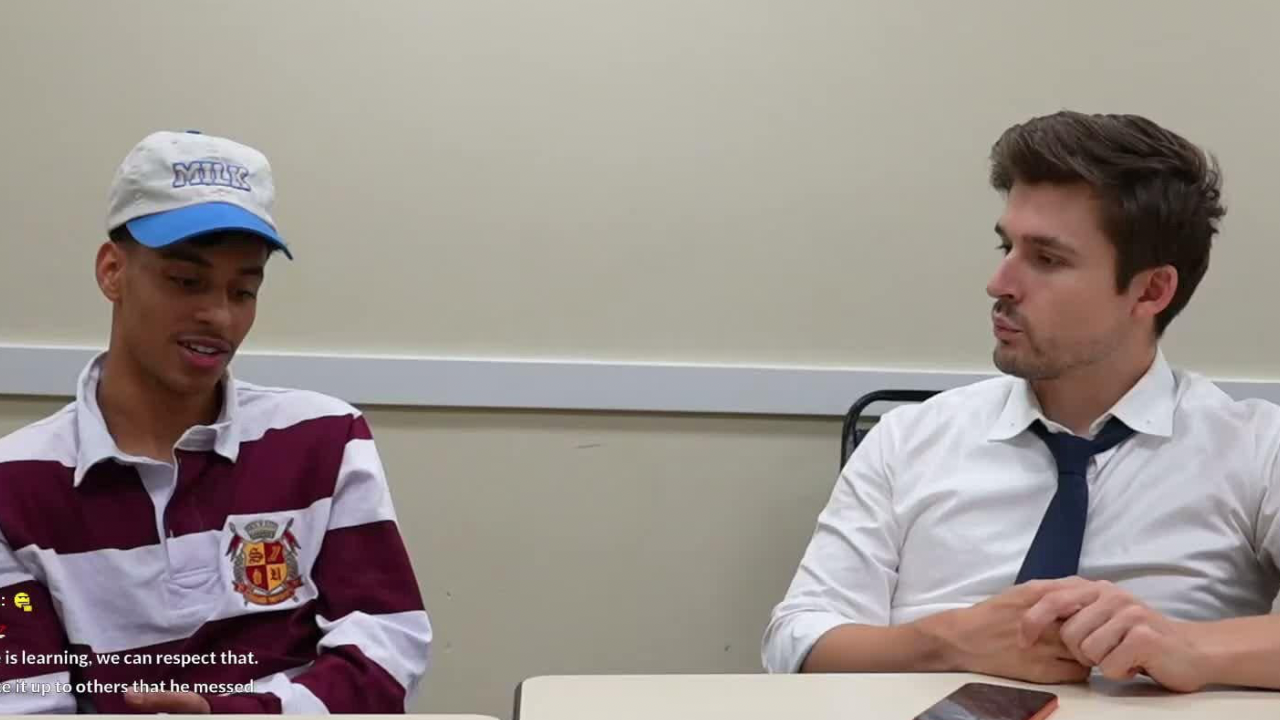
Creator-led incubator programs operate on a fragile equilibrium of personal reputation and decentralized event execution. When content creator TheMightyBA launched Streamer University, the initiative was positioned as a structured development program for rising broadcasters. However, the operational reality revealed structural vulnerabilities common to influencer-driven enterprises: mismatched financial incentives, poor risk mitigation, and unvetted participant alignment. When Ludwig Ahgren publicly addressed the controversy surrounding the event and outlined his future involvement in community-driven broadcasts, he highlighted a critical inflection point for the creator economy. High-profile personalities can no longer act as passive signal-boosters without assuming full downside equity.
The Structural Mechanics of Creator Incubators
The business model behind events like Streamer University relies on three interconnected mechanics: audience aggregation, authority transfer, and asymmetrical monetization.
- Audience Aggregation: Established platforms leverage existing viewer bases to drive traffic to long-tail creators, creating artificial traffic spikes that mimic organic growth.
- Authority Transfer: The host creator's brand identity serves as an implicit endorsement, substituting for traditional talent agency vetting.
- Asymmetrical Monetization: Organizers capture immediate sponsorship revenue and platform engagement, while participants assume operational costs and performance risk.
The failure point in this structure occurs when operational oversight does not match the rate of brand expansion. In traditional media, talent incubators utilize contractual compliance frameworks, strict background screening, and explicit liability waivers. Creator-led initiatives regularly substitute formal governance with informal trust networks. When an event participant breaks platform terms of service, engages in toxic behavior, or mismanages funds, the host creator experiences rapid reputation contagion.
Reputation Contagion and the Ludwig Calculus
Ludwig Ahgren’s public response to the Streamer University fallout illustrates a calculated shift in risk management for tier-one creators. Ahgren’s commentary was not merely an opinion on event management; it was an explicit evaluation of audience equity preservation versus brand extension.
When a top-tier creator evaluates participation in third-party creator events, they calculate exposure through a clear risk function. The upside of participating in peer-led initiatives is linear, offering modest subscriber acquisition and cross-audience goodwill. The downside risk is systemic: severe policy violations by co-hosts or participants can lead to sponsor attrition, platform demonetization, or direct brand degradation.
Ahgren’s strategic pivot toward fully owned infrastructure—such as Offbrand, his creative agency and production company—directly addresses this imbalance. By internalizing production, legal compliance, and talent selection, the creator converts unpredictable partner risk into controlled operational expense. The move away from unvetted community events toward controlled live-event production represents a maturity phase in creator business models, where capital preservation outweighs top-line audience growth.
The Three Vulnerabilities of Influencer-Led Live Events
Analyses of the Streamer University controversy often mischaracterize the cause as simple miscommunication. The root issues are structural, stemming from three specific operational vulnerabilities.
Governance Asymmetry
The organizer holds total control over event branding but delegates execution to uncompensated or under-trained staff. This creates an agency problem where those executing the event lack long-term incentives to protect the lead creator's brand identity.
Capital Allocation Dynamics
Public-facing creator projects often operate on immediate cash-flow financing rather than escrow-backed budgeting. Sponsoring dollars are deployed to cover front-end production costs before participant contracts, safety protocols, or contingency funds are finalized. When budget deficits occur, organizers frequently compress operational safety margins first.
Verification and Vetting Gaps
Unlike broadcast television productions that implement rigorous legal disclosures and background checks, streamer events rely on social media metrics as the primary entry criterion. Selecting participants based on engagement rather than behavioral compliance virtually guarantees platform policy friction during long-form, unscripted livestreams.
The Operational Pivot for Creator-Led Media
To survive the scaling process, creator-led media organizations must move past casual event coordination and implement formal operational frameworks. Future initiatives modeled on creator development must integrate specific safeguards before launching public-facing projects.
First, organizers must establish third-party escrow accounts for event capital, separating production revenue from personal creator liquid assets. This prevents insolvency when sponsors pull funding during active controversy.
Second, talent onboarding requires strict contractual morality clauses and formal platform compliance training. Relying on shared cultural norms across internet subcultures consistently fails under the pressure of continuous live broadcasting.
Third, primary figures who lend their name or platform to an initiative must retain direct operational veto power over participant selection and event execution. Delegating authority while retaining total public liability is a fundamentally flawed business architecture.
Ludwig’s commentary signals the end of the informal creator ecosystem. As live streaming transitions from an emerging entertainment vertical into a mature media industry, the tolerance for operational negligence has dropped to zero. Creators who fail to professionalize their event architecture will inevitably find their enterprise value destroyed by the very communities they seek to monetize.