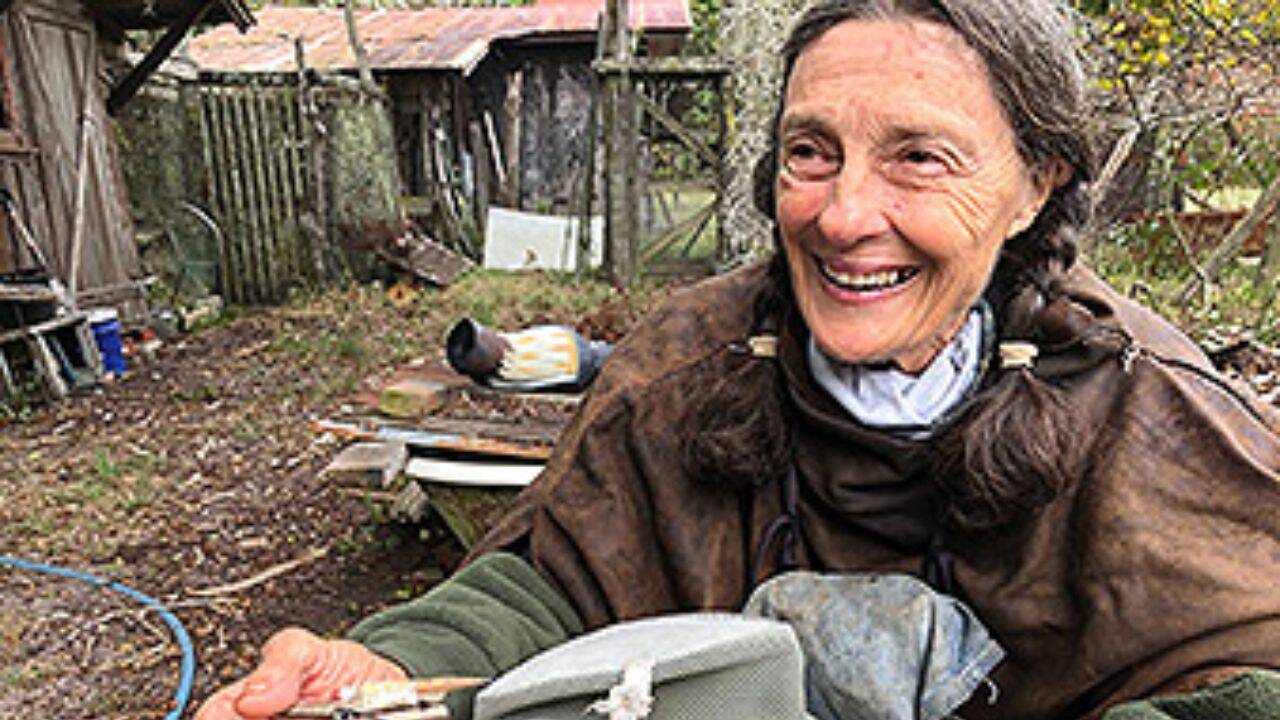
The preservation of barrier island ecosystems is frequently romanticized as an act of passive stewardship, masking the rigorous logistical, biological, and political frameworks required to maintain ecological equilibrium. Cumberland Island, Georgia—the largest and southernmost barrier island on the state’s Atlantic coast—presents a highly complex case study in conservation biology. For 53 years, biologist and naturalist Carol Ruckdeschel has operated as the primary mechanisms-focused researcher on this 36,000-acre ecosystem.
Her methodology shifts the conservation narrative from sentimental environmentalism to a structured, data-driven defense against anthropogenic degradation and invasive species disruption. By analyzing her five decades of longitudinal field research, necropsies, and political positioning, we can map the structural forces governing the island's ecological stability and identify the exact choke points where policy, commercial enterprise, and preservation collide.
The Tri-Centric Ecological Threat Matrix
The biological integrity of Cumberland Island is governed by a delicate balance across its three core zones: the maritime forest, the salt marshes, and the 17-mile littoral dune system. Anthropogenic and non-native pressures do not act in isolation; they amplify one another, compounding ecological degradation across a predictable threat matrix.
+-----------------------------------------------------------------------+
|                 TRI-CENTRIC ECOLOGICAL THREAT MATRIX                  |
+-----------------------------------------------------------------------+
| 1. LITTORAL DUNE SYSTEM   | High-density nesting zone for Loggerhead  |
|                           | turtles; highly vulnerable to feral swine |
|                           | predation and dune destabilization.       |
+---------------------------+-------------------------------------------+
| 2. SALT MARSHES           | Crucial nutrient-cycling engine; directly |
|                           | degraded by feral horse overgrazing,      |
|                           | leading to structural erosion.            |
+---------------------------+-------------------------------------------+
| 3. MARITIME FOREST        | Internal canopy core; disrupted by historical |
|                           | fire suppression and invasive rooting,    |
|                           | altering plant succession patterns.       |
+-----------------------------------------------------------------------+
Feral Swine and Nest Predation Dynamics
Prior to systematic intervention, the introduction of feral swine (Sus scrofa) established an existential bottleneck for the regional population of loggerhead sea turtles (Caretta caretta). Feral swine possess a high caloric requirement and an acute olfactory capability, allowing them to systematically locate and excavate subterranean sea turtle clutches.
The relationship between swine density and nest failure rates is highly linear. In the initial phases of Ruckdeschel’s residency, the nest survival rate asymptotically approached zero percent during peak swine population cycles. Swine root across wide swaths of terrain, disrupting soil profiles, altering nutrient cycling, and preventing the natural succession of dune-stabilizing flora such as sea oats (Uniola paniculata).
Feral Equine Grazing and Marsh Erosion
The presence of feral horses on Cumberland Island introduces a distinct structural failure mechanism into the island's salt marshes and dune topography. As heavy, non-native ungulates, these animals exert continuous grazing pressure on the primary dunes and intertidal marsh grasses, specifically targeting Spartina alterniflora.
This overgrazing strips the vegetation responsible for binding the substrate. The mechanical impact of their hooves accelerates the physical erosion of the dune front, rendering the interior maritime forest vulnerable to saltwater intrusion during storm surge events.
Anthropogenic Incursion and Policy-Driven Carrying Capacity
The third vector of degradation is directly tied to human utilization metrics. The National Park Service (NPS) regulates human impact via a daily visitor cap. Proposals to elevate this cap from 300 to 750 individuals per day, alongside the introduction of mechanized transport such as e-bikes and expanded concession infrastructure, directly threaten to breach the island’s carrying capacity.
Increased foot traffic and mechanized traversal accelerate dune compression, disrupt shorebird nesting zones for vulnerable species like the piping plover (Charadrius melodus), and escalate the volume of micro-refuse, structurally altering wildlife behavior.
The Mechanical Logic of Marine Necropsies and Trawling Legislation
Ruckdeschel’s primary contribution to marine megafauna conservation was achieved by converting beach-cast carcasses into actionable legislative data. Her methodology highlights how localized empirical observations can alter macro-level environmental policy.
+-----------------------------------------------------------------------+
|               DATA-TO-LEGISLATIVE CONVERSION PIPELINE                 |
+-----------------------------------------------------------------------+
| 1. SYSTEMATIC COLLECTION  | Longitudinal tracking of beach-cast       |
|                           | sea turtle carcasses over 40+ years.      |
+---------------------------+-------------------------------------------+
| 2. PATHOLOGICAL ISOLATION | Post-mortem dissection (necropsies)       |
|                           | identifying blunt trauma vs. drowning.    |
|                           |                                           |
|                           | High incidence of asphyxiation isolated   |
|                           | commercial shrimp trawls as primary cause.|
+---------------------------+-------------------------------------------+
| 3. POLICY INTERVENTION    | Empirical data leveraged to mandate       |
|                           | Turtle Excluder Devices (TEDs) in         |
|                           | commercial fishing fleets.                |
+-----------------------------------------------------------------------+
Prior to her work, the high mortality rates of loggerhead, green (Chelonia mydas), and leatherback (Dermochelys coriacea) sea turtles along the Georgia bight were frequently dismissed as anomalies or attributed to indeterminate natural causes. By conducting systematic post-mortem dissections (necropsies) on thousands of washed-up specimens, Ruckdeschel isolated specific pathological indicators:
- Asphyxiation Indicators: The absence of external traumatic impact coupled with fluid-engorged lungs and distinct cellular hypoxia markers indicated forced submersion.
- Mechanical Trauma: Smashed cranial structures and carapaces matched the dimensions and impact velocities of commercial fishing vessel hulls and propulsion systems.
By cross-referencing the temporal distribution of these carcasses with the seasonal operational schedules of nearshore commercial shrimp trawlers, her dataset proved that standard shrimping nets acted as inescapable lethal traps. When trapped in a standard trawl net, a loggerhead turtle surpasses its anaerobic metabolic limit within approximately 40 minutes, leading to rapid drowning.
This precise empirical connection provided the legal and scientific foundation required to compel regulatory changes. This research directly influenced the federal mandate requiring the integration of Turtle Excluder Devices (TEDs) within commercial fishing nets—a structural escape hatch that dramatically reduced nearshore sea turtle mortality across the Atlantic seaboard.
The Architecture of the Cumberland Island Museum Baseline
Conservation strategy suffers from "shifting baseline syndrome," where each successive generation of scientists accepts a degraded ecosystem as the natural norm. Ruckdeschel bypassed this limitation by constructing a physical, hyper-localized baseline index: the Cumberland Island Museum.
The museum houses thousands of cataloged biological specimens, including skeletal remains, skull series, and preserved tissue samples of both marine and terrestrial organisms native to the barrier island. The value of this repository lies in its utility for longitudinal morphometric and genetic analysis:
- Osteological Series: By maintaining comprehensive skull series of loggerhead turtles and marine mammals, the collection allows researchers to track shifts in age distribution, growth plate development, and nutritional health over a half-century horizon.
- Taxonomic Mapping: The preservation of rare local specimens—including alligator embryos and dwarf sperm whale tissues—provides a genetic and structural archive that defines the island’s absolute biodiversity threshold prior to modern climate acceleration and increased human encroachment.
The transfer of this extensive collection to the National Park Service and the Georgia Museum of Natural History institutionalizes Ruckdeschel's independent fieldwork. It converts decades of isolated, self-funded research into a standardized public data repository for coastal ecology.
The Economics of Off-Grid Preservation and Sovereign Operations
Ruckdeschel’s operational model is a case study in minimizing resource consumption to maximize political and scientific independence. Her survival strategy on the northern sector of the island functions via an intentional closed-loop economy.
+-----------------------------------------------------------------------+
|                    CLOSED-LOOP OPERATIONAL ECONOMY                    |
+-----------------------------------------------------------------------+
| INPUTS                                | OUTPUTS                       |
| - Localized horticulture (citrus/veg) | - Zero systemic carbon waste  |
| - Salvaged biomass (faunal roadkill)  | - High-density field journals  |
| - Solar/Bare-bones infrastructure     | - Uncompromised legal autonomy|
+-----------------------------------------------------------------------+
Caloric and Resource Self-Sufficiency
By utilizing localized horticulture—growing cold-hardy citrus like grapefruit and lemons alongside nutrient-dense vegetables—and supplementing her diet with salvaged biomass (including roadkill and culled non-native fauna), Ruckdeschel eliminated dependencies on mainland supply lines. This extreme reduction in consumption serves a distinct strategic purpose: it removes the financial pressure to monetize her research or seek corporate or institutional funding that could compromise her advocacy.
The Life Estate Mechanism as Conservation Land Defense
Her residential stability is secured via a specific legal framework: a life estate agreement executed with the National Park Service. When the Cumberland Island National Seashore was established, land acquisition involved buying out private holdings while granting certain residents the right to remain for the duration of their natural lives.
For Ruckdeschel, this structure acts as a permanent, un-evictable operational base directly inside the northern wilderness zone. This position allows her to function as an on-site monitor of park management practices, creating a persistent check on bureaucratic policy shifts and development compromises.
Resource Allocation and Strategic Framework
To safeguard the biological value of Cumberland Island over the next fifty years, conservation strategy must transition from passive observation to aggressive mitigation. Relying on isolated, heroic individual efforts is an unstable long-term plan. Future operations require an optimization framework that targets the primary drivers of ecological degradation.
+-----------------------------------------------------------------------+
|              OPTIMIZED RESOURCE ALLOCATION FRAMEWORK                  |
+-----------------------------------------------------------------------+
|   HIGH                                                                |
|    ^     [STRATEGY A: Swine/Equine Eradication]                        |
|    |     - High ecological ROI                                        |
|    |     - Restores dune stability and nesting success                |
| E  |                                                                  |
| C  |                                                                  |
| O  |                                                                  |
| L  |                      [STRATEGY B: Cap Enforcement]               |
| O  |                      - Defends carrying capacity                  |
| G  |                      - Mitigates human footprint                  |
| I  |                                                                  |
| C  |                                                                  |
| A  |                                                                  |
| L  |                                   [STRATEGY C: Ex-Situ Storage]  |
|    |                                   - Preserves historical data    |
| R  |                                   - Low immediate mitigation     |
| O  |                                                                  |
| I  |                                                                  |
|    +----------------------------------------------------------------->|
|   LOW                             IMPLEMENTATION COMPLEXITY      HIGH |
+-----------------------------------------------------------------------+
Strategy A: Absolute Eradication of Invasive and Non-Native Ungulates
The National Park Service must pivot from continuous population control to absolute eradication of feral swine and a structured phase-out of the feral horse population. While feral horses draw public sentiment, their metabolic footprint directly destroys the island's primary defenses against rising sea levels.
Directing capital toward professional, systematic removal operations yields the highest ecological return per dollar. This intervention immediately stabilizes the salt marshes and removes the primary predators destroying loggerhead sea turtle nests.
Strategy B: Preservation of the Strict Daily Cap and Rejection of Commercialization
Management must fiercely defend the daily visitor limit of 300 individuals and formally reject proposals for expanded trail access, e-bike integration, and commercial concessions. The introduction of mechanized transport changes how deep human impact penetrates into the interior wilderness zones.
Maintaining strict limits preserves the low-stress environment necessary for shorebird breeding and prevents the physical breakdown of the primary dune structures.
Strategy C: Digital Transformation and Expansion of the Ruckdeschel Baseline
The thousands of field journals, morphometric records, and specimen data generated by Ruckdeschel must be fully digitized into an open-access, high-resolution database. This initiative ensures that her 53-year baseline remains structurally integrated into global marine biology and island ecology research.
By standardizing this data, regional universities and international research institutions can accurately model how climate-driven sea-level rise impacts barrier islands, using a pure, historical baseline free from modern observational bias.