The rain in the highlands does not fall; it weighs. It arrives like a low ceiling dropped onto the ridges, heavy with moisture and intent, turning the rich, volcanic soil of Indonesia into something restless. On a Tuesday that began like any other, the mountain remembered it was alive.
Silence followed. Then came the roar. Recently making waves in this space: Whispers on the Gulf and the Ghost Pilots of Doha.
When the earth shifts beneath an island chain forged in fire, the statistics arrive quickly. Forty-seven. That is the number burned into the evening news tickers. Forty-seven souls whose morning routines were violently interrupted by the collapse of their own neighborhoods. Behind that number are kitchens with half-boiled rice, school uniforms folded on wooden chairs, and doors that will never be opened from the inside again.
Consider the physics of a landslide. It is not an explosion. It is a slow-motion catastrophe that speeds up just enough to outrun hope. Tonnes of mud, stone, and uprooted mahogany trees detach from the slopes like skin sliding off a bone. Gravity does the rest with cold, mathematical precision. More details regarding the matter are covered by Al Jazeera.
In the immediate aftermath, the air smells of crushed fern, raw clay, and wet ash. This is the sensory reality of a natural disaster that the dry reports miss. There is no clean separation between the earth and the village anymore. Everything is grey. Everything is fused together in a thick paste that swallows shoes, tools, and the frantic prayers of the living.
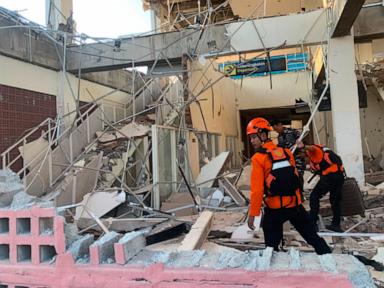
Rescuers do not arrive in silent, orderly lines. They arrive breathless, carrying shovels that look laughably small against the scale of the destruction. They step gingerly over jagged slabs of concrete that used to be walls, listening for a sound beneath the debris. A cough. A whimper. A knock against a trapped tin roof.
Imagine standing on a ridge where your grandmother's house stood for thirty years, only to find a sixty-foot wall of black earth where the front porch used to be. The disorientation is total. The geography of childhood memories is erased in seconds. Streets become canyons of silt. Landmarks become anonymous heaps of debris.
Behind every rescue worker knee-deep in slurry is a personal inventory of dread. Many of these volunteers are looking for their own cousins, their own neighbors, their own children. They dig with bare hands until the fingernails split and bleed, driven by an urgent, frantic rhythm that defies physical exhaustion. Every shovelful lifted is a race against time, oxygen pockets, and the relentless, recurring rain that threatens to trigger yet another slide.
Indonesia sits on the Pacific Ring of Fire, a horseshoe-shaped basin of relentless tectonic friction where the earth's crust constantly grinds, slips, and fractures. The science is ancient and unyielding. Plates move inches at a time over centuries, locking together until the tension becomes unbearable, releasing centuries of stored energy in mere seconds. The inhabitants of these emerald islands live with this grand, terrifying bargain. They farm the most fertile volcanic soil on the planet, trading long-term security for the breathtaking beauty of the peaks and the daily, unspoken risk that the ground beneath them might suddenly dissolve.
When the ground gives way, the vulnerability of human architecture becomes painfully clear. Simple timber and concrete structures, built to withstand the tropical heat and daily monsoons, stand little chance against a wall of shifting mud. Yet, long before heavy machinery can navigate the washed-out mountain roads, the community is already there. Neighbors become first responders. Teachers become triage nurses. The social fabric of the village tightens into a lifeline.
We look at numbers on a screen and feel a distant, abstract pity. We consume the tragedy between sips of morning coffee and scroll past the headline to check the weather in our own zip codes. But tectonic grief does not care about distance. It asks us to remember the fragility of our own footings.
The rain continues to fall over the ridge, washing the mud from the blades of the shovels, soaking into the canvas tents of the displaced, and settling over a landscape that will never look the same again. In the quiet hours before dawn, when the search lights sweep across the grey scars of the mountain, the wind carries the distant sound of a prayer whispered into the dark, waiting for an answer the earth has already given.


